What Exactly Does Oestrogen Do in Your Body?
It's essential to understand hormones and their functions before exploring how breastfeeding affects oestrogen.Oestrogen plays a key role in regulating the menstrual cycle and is a crucial hormone in the body. It helps in:
- Regulating your menstrual cycle
- Boosting and supporting fertility
- Maintaining bone strength, that is, keeping bones strong
- Maintaining the health of hair, skin and tissues
Why Does Breastfeeding Lower Oestrogen?
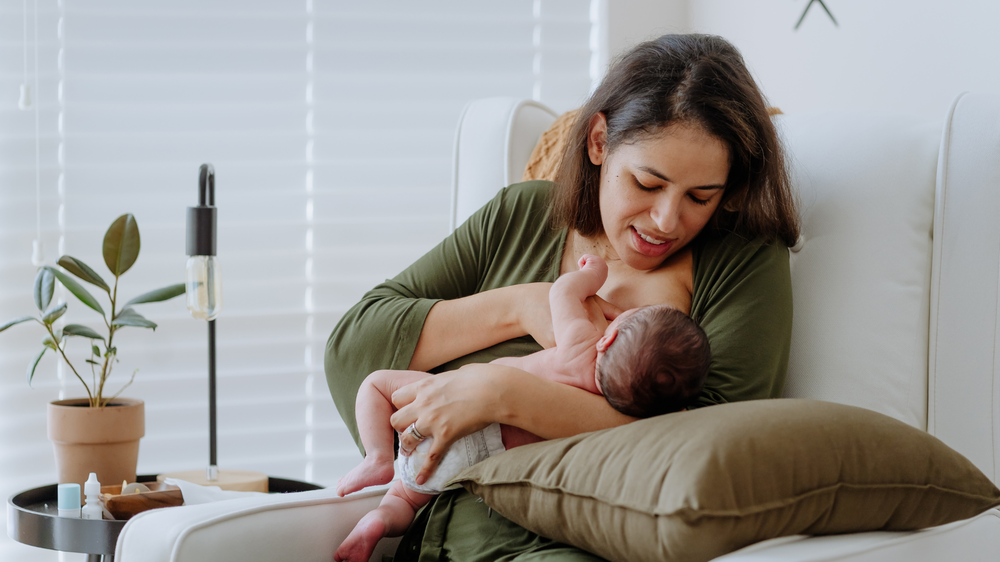
When you start breastfeeding, your body releases a hormone called prolactin—the same hormone that stimulates milk production. Prolactin and oestrogen work in opposite ways.Here’s how it happens:
- Prolactin rises when your baby suckles
- High prolactin suppresses ovulation because your body focuses on milk production, not reproduction
- When ovulation pauses, oestrogen naturally drops since this hormone is linked to your menstrual cycle. After pregnancy, ovulation pauses for some time, and so does the menstrual cycle, which results in a natural drop in the level of oestrogen in your body.
How Long Does the Oestrogen Dip Last?
The duration varies from person to person; some factors to keep in mind are listed below.- If you prefer breastfeeding, your hormones will return to normal once your baby starts eating solid foods.
- For individuals who prefer weaning earlier or mixed feeding, periods may return earlier, resulting in a rise in oestrogen levels sooner.
What Changes Might You Notice Due to Low Oestrogen?
The body undergoes several changes during the breastfeeding period, but most of them are temporary and subside with time.- Not feeling comfortable during intimacy or experiencing dryness in the genitals
- Low libido as hormones keep failing and rising
- Peak emotional sensitivity and mood swings
- Periods get delayed
Can Low Oestrogen Affect Breastfeeding Itself?
Interestingly, low oestrogen is actually beneficial for milk supply. A low oestrogen level actually helps your body produce enough milk for the baby, as high oestrogen controls milk production and decreases it.Your hormones and breastfeeding work together to play a significant role in strengthening the bond between you and your baby. Low oestrogen keeps milk production high, and high prolactin and oxytocin keep you emotionally active for the baby.
How Does This Hormonal Shift Affect Your Emotions?
Feeling more emotional than usual is okay during this period as the high oestrogen releases the “feel good” chemical - serotonin in your brain.As the oestrogen level gets low, you start feeling:
- Feeling like crying and experiencing sudden sadness
- You get irritated faster than usual
- Feeling overwhelmed and anxious
What Can You Do to Support Your Body During This Phase?
Taking care of your health during breastfeeding doesn’t just help your baby—it helps you feel your best too.Here are a few simple steps to manage low oestrogen effects naturally:
- Drinking a lot of water actually boosts milk production and helps in body balance
- Try to consume as many essential nutrients as possible, and opt for home-cooked, healthy food in the meantime
- Sunlight exposure helps your body produce vitamin D, which in turn strengthens your bones
- If you are feeling dryness in the vagina, don’t use artificial lubricants and consult your gynaecologist
When Should You See a Doctor?
Even though hormonal changes are natural, it’s better to consult a doctor if you are feeling:- Constant feeling of sadness or intense mood swings
- Extreme dryness in the vagina, irritation, or pain
- Tiredness or dizziness
What to Do Next: A Quick Checklist
- Take your body changes seriously
- Eat balanced meals and avoid skipping them
- Drink plenty of fluids throughout the day to stay hydrated
- Track your periods or spotting (if any)
- Don’t hesitate to discuss concerns during postpartum check-ups
Emotional and Social Well-Being
Every coin has two sides; similarly, even in breastfeeding, it doesn’t only affect you physically but also leads to mental strain. Even though breastfeeding makes you feel connected to your baby, growing a bond between you, low oestrogen can become a key reason for emotional ups and downs.Lean on your partner, family, or a support group for parents. Sharing experiences often lightens emotional stress and reminds you that these changes are temporary. Breastfeeding brings beautiful benefits for you and your baby, but it also changes your body in subtle ways—like lowering oestrogen levels.
After pregnancy, your body focuses more on caring for the baby, rather than continuing reproductive activities. Even though symptoms can sometimes be difficult to cope with, remember that all of them are temporary and will fade away with time. Let your loved ones take care of you and your baby while you embark on the beautiful journey of motherhood.
Whether you’re pregnant, a new mom, or navigating postpartum, you don’t have to do it alone. Join our support group to connect, share, and support one another.
FAQs on Why Breastfeeding Impacts Oestrogen Levels
- When does the oestrogen level get back to normal?
It stays low until your baby starts eating solid food or you need to breastfeed less often. Oestrogen levels generally return to normal afterwards. - Can low oestrogen cause irregular periods while breastfeeding?
Yes, since low oestrogen suppresses ovulation, your menstrual cycle might remain irregular or even absent until you reduce breastfeeding. - What can you do if low oestrogen causes discomfort or dryness?
Use gentle moisturisers, drink plenty of water, and consult your doctor about safe lubricants or supplements. Hormonal rebalance naturally cures almost all symptoms.