In this article:
What Cervical Effacement Actually Means
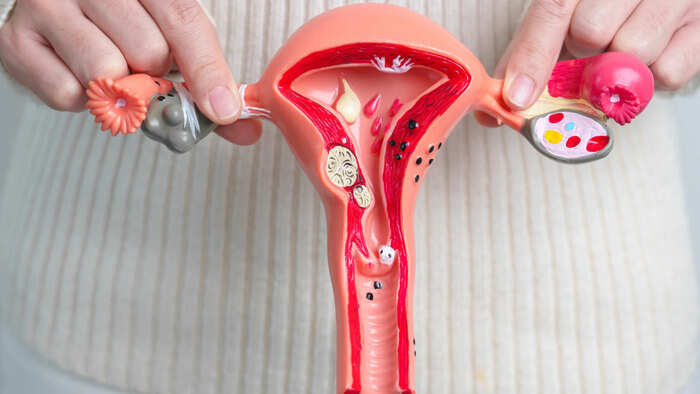
Effacement refers to the thinning and shortening of the cervix. A non-pregnant cervix measures about 3–4 cm in length and feels firm, like the tip of your nose. As effacement begins, it softens and becomes shorter, similar to how a long tunnel collapses into a thin edge.Doctors or midwives describe effacement in percentages:
- 0% effaced: The cervix is long and firm.
- 50% effaced: It’s halfway thinned out.
- 100% effaced: It’s paper-thin, ready for dilation.
What Dilation Means
Dilation is the opening of the cervix from closed to fully open (10 cm). It’s measured in centimetres during vaginal examinations. Each stage corresponds roughly to your baby’s progression into the birth canal:| 0–3 cm | Early or latent labour – mild contractions, cervix begins to open |
| 4–7 cm | Active labour – contractions strengthen and become regular |
| 8–10 cm | Transition phase – intense contractions, cervix fully opens for delivery |
Effacement and Dilation: How They Work Together
Effacement and dilation don’t always move in sync. In first pregnancies, the cervix typically effaces first, then dilates. In subsequent pregnancies, both may occur simultaneously.Effacement softens and thins the tissue so dilation can happen more easily when contractions begin. Without proper effacement, dilation may stall even if contractions are strong. That’s why your doctor may focus on both numbers during cervical exams.
The Role of Hormones and Pressure
Your body’s chemistry orchestrates these changes through:- Prostaglandins: Soften the cervix and help break down collagen.
- Oestrogen: Increases cervical blood flow and enhances prostaglandin effects.
- Relaxin: Loosens pelvic ligaments and allows flexibility.
- Oxytocin: Drives uterine contractions that push the baby downward, further stimulating dilation.
How Cervical Progress Is Measured
During vaginal examinations, clinicians assess four key aspects:- Effacement (%): how thin the cervix is.
- Dilation (cm): how open it is.
- Position: whether it’s moving forward (anterior) or still tilted back (posterior).
- Consistency: whether it’s soft or firm.
What You Might Feel During Effacement and Dilation
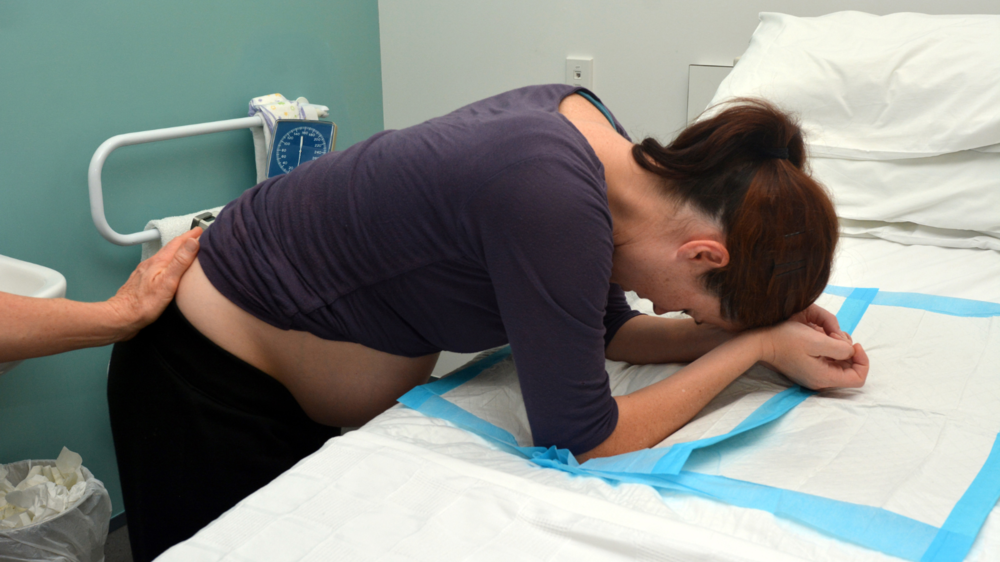
Both processes are driven by contractions, but they can feel different depending on the stage:- Effacement phase: Mild, irregular contractions or a heavy pelvic sensation.
- Active dilation: Stronger, rhythmic contractions every few minutes.
- Transition (8–10 cm): Intense pressure, sometimes accompanied by nausea or the urge to bear down.
When Effacement or Dilation Slows Down
Sometimes, progress stalls even with regular contractions. This may happen if:- The cervix is still firm or positioned posteriorly.
- Labour induction begins before the cervix is ready.
- Stress or fatigue slows hormonal release.
- Epidural anaesthesia slightly reduces contraction strength.
When to Go to the Hospital
You don’t need to wait until you’re 10 cm! Go to your hospital or birth centre when:- Contractions are regular (every 5 minutes, lasting 45–60 seconds).
- You experience leaking fluid or bleeding.
- Movements of the baby feel reduced.
- You feel strong pressure or an urge to push.
Effacement and dilation are nature’s synchronised steps toward birth. While numbers like “3 cm” or “70%” may sound technical, they’re simply milestones in your body’s unfolding rhythm. Each contraction, each softening, and each centimetre brings you closer to the moment your baby enters the world, proof of how intelligently your body prepares for life’s most powerful transition.
Whether you’re pregnant, a new mom, or navigating postpartum, you don’t have to do it alone. Join our support group to connect, share, and support one another.
FAQs on Cervical Effacement vs. Dilation: What Each Stage Actually Means
- Can I feel my cervix effacing or dilating?
Not directly. You may feel tightening or mild cramps, but effacement and dilation themselves aren’t usually felt until contractions strengthen. - How long does effacement take?
It varies widely, from hours to days, in first-time mothers. Once 100% effaced, dilation tends to progress faster. - Can walking or sex help dilation?
Gentle walking, upright posture, and intercourse (if approved by your doctor) can stimulate prostaglandins and encourage progress naturally.