In this article:
How Does Oxidative Stress Affect Sperm?
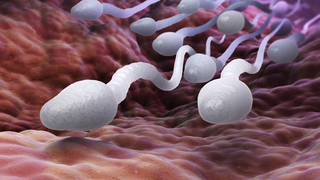
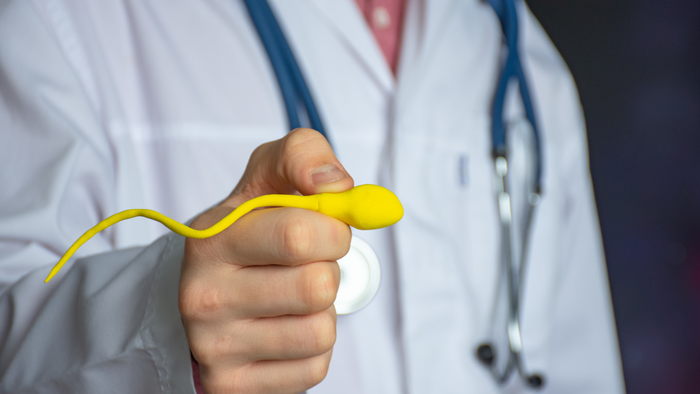
Sperm cells are exceptionally vulnerable to oxidative damage because their outer membranes contain high concentrations of delicate polyunsaturated fatty acids (PUFAs). When excessive free radicals attack these cell membranes, they cause lipid peroxidation, which impairs sperm motility and reduces their ability to fertilise an egg. Furthermore, severe oxidative stress can damage the genetic material inside the sperm head, leading to sperm DNA fragmentation. This invisible genetic wear can lead to delayed conception or recurrent early pregnancy loss.Oxidative stress can be kept in check by quitting tobacco, avoiding alcohol and maintaining a healthy body weight. Pollution, excessive heat exposure, infections and poor nutrition are also common triggers. Targeted nutritional changes are among the most practical ways to reduce oxidative stress and support healthier sperm.
Foods and Nutrients That Help Fight Oxidative Stress
Certain antioxidants and micronutrients have shown promise in supporting semen quality when consumed as part of a balanced diet.- Vitamin C and E: These work together to neutralise free radicals and protect the sperm membrane from damage. Citrus fruits, amla, guava, sunflower seeds and almonds are good dietary sources.
- Zinc and selenium: These essential trace elements support the antioxidant enzymes present in semen and help improve sperm count and motility. Pumpkin seeds, chickpeas, fish and eggs are useful sources.
- Omega-3 fatty acids: These are essential polyunsaturated fats (PUFAs) found in fish like sardines and salmon, as well as walnuts and flaxseeds. They help maintain the flexibility and integrity of the sperm membrane.
- Coenzyme Q10 and L-carnitine: Present in organ meats, whole grains and dairy, these compounds support the energy-producing structures within sperm cells and protect the sperm from oxidative damage.
- Folate and vitamin B12: These are important for DNA synthesis and reducing chromosomal abnormalities in sperm and are abundant in leafy green vegetables, lentils and dairy products.
- Herbs and spices: Turmeric, garlic and cinnamon are commonly added to Indian meals. These condiments have natural antioxidant properties and help increase sperm motility and viability.
Habits and Foods That Worsen Sperm Health
Just as some foods protect sperm, others actively worsen oxidative damage:- Processed and fried foods: these are high in trans-fats and refined sugar and promote inflammation and oxidative stress.
- Excess alcohol: Regular heavy drinking lowers testosterone and increases oxidative damage to sperm.
- Smoking and tobacco use: Nicotine is one of the strongest known contributors to oxidative stress in semen.
- Obesity and sedentary habits: Excess body fat raises overall oxidative burden.
- Excessive antioxidant supplementation: Unsupervised high-dose supplements may disturb the natural redox balance and should be only taken when prescribed by your doctor.
You’re not alone in your journey when trying to conceive. Join our supportive community to connect with others, share experiences, and find encouragement every step of the way.
FAQs on Oxidative Stress and Sperm Health: What to Eat to Support Male Fertility
- Can diet alone reverse oxidative stress in sperm?
Diet plays a major role but works best alongside lifestyle changes such as quitting smoking, limiting alcohol and maintaining a healthy weight. - How long does it take for dietary changes to improve sperm quality?
Since sperm develops over roughly three months, visible improvement in semen parameters usually takes about 10–12 weeks of consistent dietary change. - Are antioxidant supplements necessary, or is food enough?
For most men, a nutrient-rich diet is sufficient. Supplements should only be taken under medical supervision, as excess antioxidants can be counterproductive.