In this article:
What Is Zona Hardening?
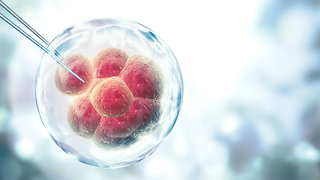
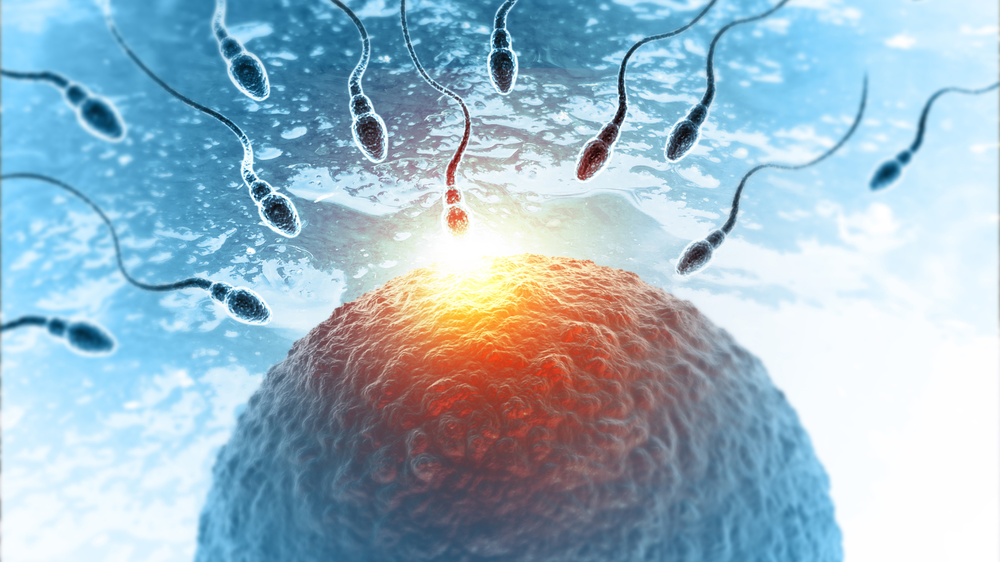
The zona pellucida is a thin, protective layer that surrounds the egg. During fertilisation, sperm must pass through this layer to reach the egg. Once a sperm successfully enters, the zona pellucida becomes firmer to stop any other sperm from entering. This normal change is called zona hardening. It is an important step that helps support healthy fertilisation and early embryo development.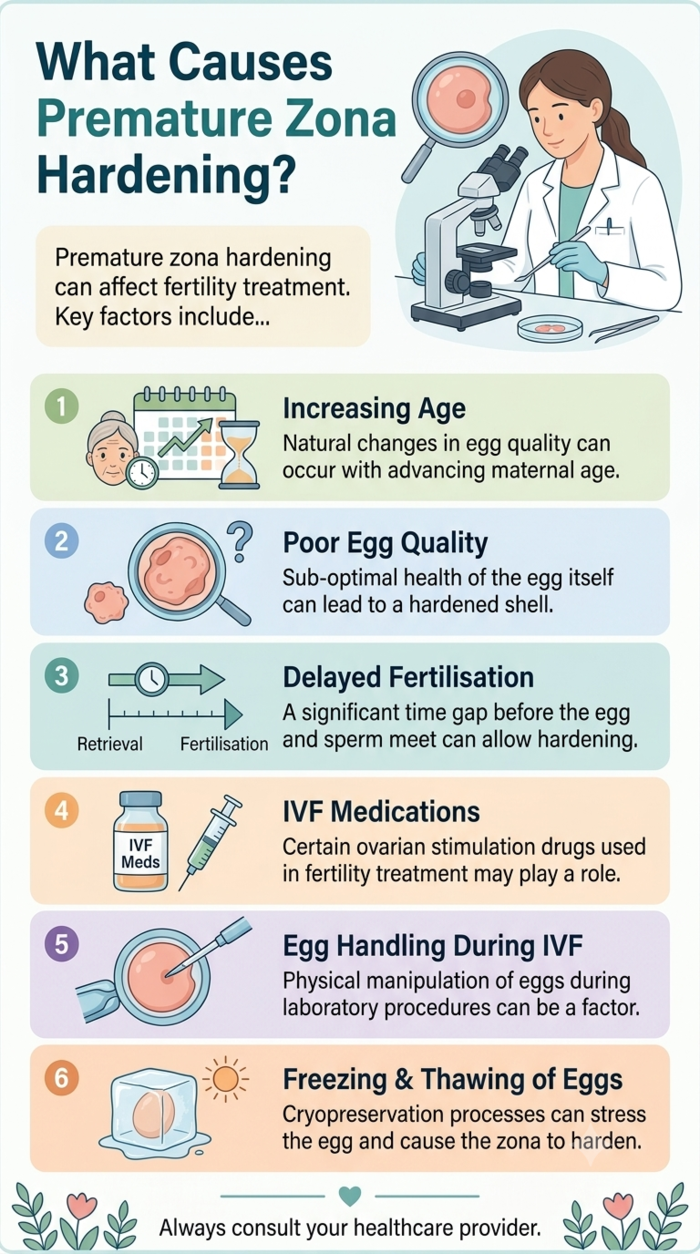
What Causes Premature Zona Hardening?
Premature zona hardening can happen due to several factors. Sometimes, it is related to natural changes in the egg, while in other cases it may occur during fertility treatment.Below are some common causes:
- Increasing age
- Poor egg quality
- Delayed fertilisation
- IVF medications
- Egg handling during IVF
- Freezing and thawing of eggs
How Can Zona Hardening Affect Fertility Treatment?
Zona hardening can affect the outcome of fertility treatment by making successful fertilisation more difficult. When fewer eggs are fertilised, fewer embryos may develop, which can reduce the number of embryos available for transfer or freezing. This may also affect the overall progress of an IVF cycle.However, the impact of zona hardening is not the same for everyone. Your age, egg quality, sperm health, and other fertility factors also play an important role in determining the outcome of treatment.
How Do Fertility Specialists Diagnose Zona Hardening?
Zona hardening cannot be diagnosed through a blood test or ultrasound. It is usually identified during IVF when embryologists examine the eggs in the laboratory. If sperm repeatedly fail to fertilise healthy eggs despite normal sperm quality, specialists may suspect premature zona hardening.They also review your medical history, previous IVF results, and egg quality to determine whether the egg's outer layer may be affecting fertilisation. In some cases, the diagnosis is confirmed based on findings during the fertilisation process rather than before treatment.
Can Zona Hardening Be Treated?
Yes. Although zona hardening cannot be reversed, fertility specialists can use different IVF techniques to improve the chances of successful fertilisation.- Intracytoplasmic Sperm Injection (ICSI): A single sperm is injected directly into the egg, bypassing the hardened outer layer when sperm cannot enter naturally.
- Assisted Hatching: A small opening is made in the embryo's outer layer to help it hatch and implant in the uterus. This technique is recommended only for selected patients.
Can Zona Hardening Be Prevented?
Zona hardening cannot always be prevented because it is a natural process that occurs after fertilisation. However, premature zona hardening may not always be avoidable.While there is no guaranteed way to prevent it, the following steps may help support healthy eggs and improve fertility treatment outcomes:
- Follow your fertility specialist's treatment plan
- Attend all recommended monitoring and IVF appointments
- Maintain a healthy lifestyle with a balanced diet and regular physical activity
- Avoid smoking and limit alcohol consumption
- Manage medical conditions that may affect your fertility
- Seek fertility treatment without unnecessary delays, especially if advised by your doctor
When Should You Speak to a Fertility Specialist?
Speak to a fertility specialist if you:- Have repeated IVF fertilisation failure
- Have poor fertilisation despite normal sperm
- Have a history of poor egg quality
- Are planning IVF after previous unsuccessful treatment
- Have been trying to conceive without success
Whether you’re trying to conceive or navigating IVF, you’re not alone. Join our supportive communities to connect, share, and find strength with others on the same journey.
FAQs on Zona Hardening: Can the Egg's Outer Layer Affect Fertility Treatment?
- Can zona hardening affect frozen eggs or embryos?
Yes. Freezing and thawing may cause changes in the zona pellucida in some cases. Your fertility specialist will decide if any additional IVF techniques are needed. - Can one egg have zona hardening while others are normal?
Yes. In an IVF cycle, some eggs may show signs of zona hardening while others have a normal zona pellucida. - Can zona hardening affect all the eggs collected during IVF?
Not always. Some eggs may show signs of zona hardening, while others in the same IVF cycle may have a normal outer layer.