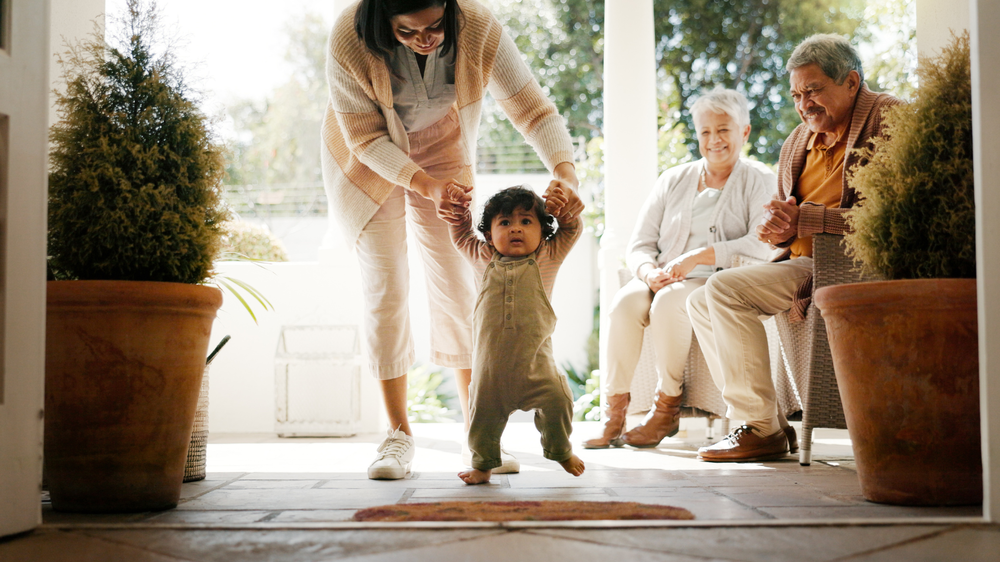
Advantages of Joint Family Structure
Joint families give more people to take care of and be role models for the children.- Emotional and psychological support: The availability of more people at all times makes children feel emotionally comfortable and secure
- Richer culture and morals: The knowledge of family history, language, culture, and morals is imparted automatically to the children
- Good social skills and empathy: Interaction with older people and other children builds Good social skills in children
- Assistance in parenting responsibilities: The responsibility of taking children to school, feeding them, and looking after them can be divided among parents
- Economic stability: Joint costs and financial management relieve some economic strain on the family
Consistent Parenting
A proper approach that shows respect would help the caregivers to be consistent without conflicts.- Set up family meetings to clarify the priority areas and rules
- Clarify family values (sleep schedule, screen time restrictions, discipline principles) and explain them politely to all the caregivers
- Apply role clarity; determine which caregiver will deal with different matters such as education, health, and discipline
Set Healthy Boundaries
These keep kids safe and independent while maintaining balance.- Establish boundaries in places and times for nuclear-family activities
- Establish common guidelines on visitors, disciplinary measures, and decision-making
- Teach kids about consent and privacy, even when dealing with close relationships
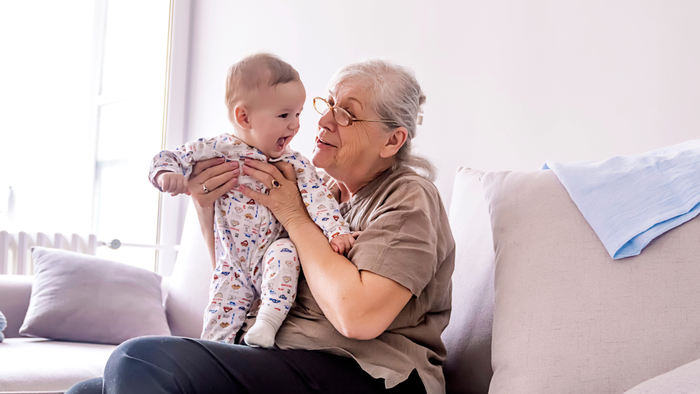
Child Development and Learning Through Family
A joint family can provide education in a planned manner by coordinating with each other.- Reading and storytelling must become a routine and happen turn-wise
- Diverse skills must be taught by different elderly people, including cooking, arts, languages, etc.
- Schoolwork can be supported through a dedicated place for studying, assigning one member to monitor homework, and meetings with teachers
Health and Safety Factors
The physical and emotional health of the children should be of utmost importance, as correct and responsible decisions will have an impact on the future.- Have health information handy, which includes immunisation charts, allergy history, long-term diseases, and emergency contacts
- Reach an understanding regarding the treatment of minor ailments and know when it is necessary to contact the doctor
- Make sure that homes are safe through baby-proofing, balcony safety, and kitchen regulations
- Pay attention to mental well-being by observing mood swings, behavioural changes, and poor academic performance
Combining Tradition and Personal Identity
Joint families experience an ongoing dilemma when it comes to combining respect for tradition with personal identity.- Allow children to pursue their personal interests through participation in family traditions
- Start from family tradition but adapt it to incorporate personal viewpoints
- Recognise individual successes within the context of the whole family
Assisting Working Parents
A joint family can help strike a balance between work and parenting when the duties are arranged properly.- Make a weekly plan regarding caregiving duties and chores in the house
- Make sure that there is a consistent routine of dropping off, picking up, and mealtimes
- Keep the lines of communication open; even a brief daily call is enough to know what is planned for the day
- Make sure that the parents’ time is protected for self-care to avoid exhaustion
Building Independence and Self-Decision Skills
Children from joint families should be allowed to make decisions and learn about responsibility.- Assign tasks according to their age, such as laying the table, taking care of animals, or even getting a little allowance
- Teach children self-decision skills by giving them limited yet significant options (such as choosing extra-curricular activities)
Whether you’re pregnant, a new mom, or navigating postpartum, you don’t have to do it alone. Join our support group to connect, share, and support one another.
FAQs on Raising Kids in a Joint Family? What Parents Need To Know
- How can I help a shy child thrive in a large joint family?
Assign one relative as a gentle social coach who engages the child in small, low-pressure activities, and encourage gradual exposure to family gatherings with clear exit signals if the child feels overwhelmed. - What if different caregivers give contradictory health advice?
Create a mutually discussed health protocol and appoint one adult to be the primary decision-maker for medical concerns; when in doubt, follow a doctor’s guidance. - How do we manage inheritance or financial tensions that affect children's sense of security?
Be transparent about major financial decisions in age-appropriate ways, maintain separate funds for children's immediate needs like healthcare or education, and consider a written family agreement to reduce misunderstandings.