In this article:
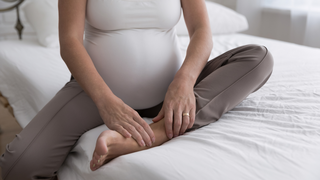
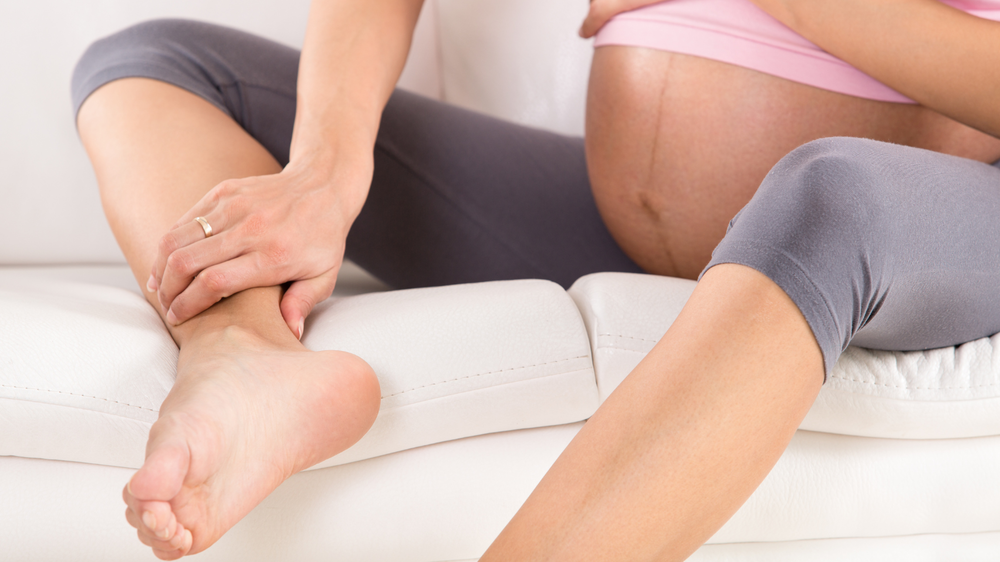
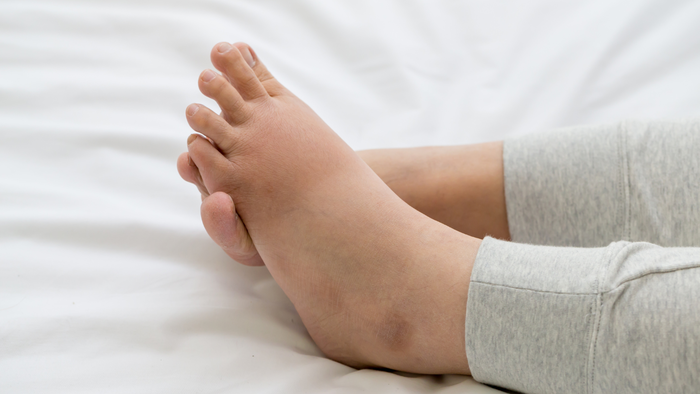
In addition, pressure in the veins that carry blood back to the heart from the feet causes swollen legs.
This happens because the uterus enlarges, putting pressure on the veins, which can cause fluid retention. Such fluid retention is called "oedema."
It mostly happens in the second and third trimesters of pregnancy.
In addition, this swelling becomes more noticeable in the late afternoon or evening, especially after being on your feet most of the day or during hot weather.
Whats Considered Normal Pregnancy Swelling?
Mild swelling is expected in many healthy pregnancies. It usually develops gradually and improves after rest.You may notice:
- Swollen feet and ankles
- Mild puffiness in your hands
- Shoes or rings feeling tighter by evening
- Slight swelling after travelling or standing for long hours
- More swelling during warm weather
Normal pregnancy swelling usually looks like this
| Feature | What you may notice |
| Onset | Develops gradually over weeks |
| Location | Feet, ankles, and lower legs |
| Timing | Worse by evening, improves after rest |
| Pain | Usually mild or absent |
| Both sides | Generally affects both legs equally |
Conditions During Pregnancy That Can Cause Fluid Retention
The following are the conditions that may cause fluid retention during pregnancy:| Normal cause | What you may notice |
| Increased blood volume | Mild swelling of the feet and ankles |
| Pregnancy hormones | Puffiness in the hands, feet, or ankles |
| Growing uterus pressing on veins | Swelling that worsens later in the day |
| Standing or sitting for long periods | Swollen feet after prolonged standing or travelling |
| Hot weather | More noticeable swelling during warm days |
| Reduced physical activity | Swelling that improves after moving or resting |
| Condition | What you may notice |
| Pre-eclampsia | Sudden swelling with headache, blurred vision or pain below the ribs |
| Gestational hypertension | Persistent swelling with high blood pressure |
| Deep vein thrombosis (DVT) | Painful swelling, redness or warmth in one leg |
| Kidney disorders | Puffiness around the eyes with swelling or changes in urination |
| Heart conditions (rare) | Swelling with breathlessness or unusual tiredness |
| Severe anaemia | Swelling along with fatigue, breathlessness, and pale skin |
How Can You Reduce Pregnancy Swelling Safely?
Simple lifestyle measures often help ease discomfort.You can:
- Raise your feet whenever possible.
- Avoid standing or sitting in one position for too long.
- Walk for a few minutes every hour.
- Sleep on your left side, if comfortable.
- Drink enough water throughout the day.
- Wear comfortable, supportive footwear.
- Choose fresh fruits, vegetables, and balanced meals.
- Limit heavily processed foods that are high in salt.
When Should You Contact Your Doctor?
Some symptoms need prompt medical assessment.Contact your doctor or maternity care team immediately if you develop:
- Sudden swelling of your face or around your eyes
- Rapid swelling of your hands
- One leg becoming swollen, painful, or red
- Severe headache
- Blurred vision or flashing lights
- Pain below your ribs
- Breathlessness or chest pain
- Reduced baby movements after 28 weeks
Does Fluid Retention Affect Your Baby?
Normal pregnancy swelling does not usually affect your baby's growth or development.However, if swelling is linked to conditions such as pre-eclampsia, your baby's growth and wellbeing may need closer monitoring.
Your doctor may recommend checking your blood pressure, urine protein, and your baby's growth during antenatal visits.
Keeping up with regular pregnancy check-ups helps detect these problems early.
Mild swelling that develops gradually is usually normal. However, sudden swelling, one-sided leg swelling, swelling with a headache, blurred vision, or breathlessness should be assessed by your doctor promptly.
Whether you’re pregnant, a new mom, or navigating postpartum, you don’t have to do it alone. Join our support group to connect, share, and support one another.
FAQs on Fluid Retention During Pregnancy: What's Normal and What's Not?
- Is swelling more common in the third trimester?
Yes. Swelling usually becomes more noticeable during the third trimester because your uterus is larger and puts more pressure on the veins in your pelvis and legs. - Does drinking more water reduce fluid retention during pregnancy?
Yes. Drinking enough water supports your body's normal fluid balance and healthy circulation, but it may not prevent swelling completely. - Can pregnancy swelling disappear after delivery?
Yes. In most cases, fluid retention improves within a few days after childbirth as your body gradually removes the extra fluid through urine and sweating.