
In this article:
Many women drink herbal teas to find relief from common pregnancy symptoms like nausea, fatigue, and constipation. Unlike coffee and tea, most herbal teas are caffeine-free. Despite their medicinal content, some herbs can stimulate uterine contractions, change hormone levels, affect blood pressure, or lead to adverse pregnancy outcomes.
What Happens to Your Body If You Drink Tea While Pregnant
Pregnancy changes your body’s ability to digest and metabolise foods. Hormonal changes slow down digestion and change liver enzymes, which lets the herbal compounds accumulate in the blood. Progesterone slows down gut motility.
The placenta is a connection, transporting oxygen and nutrients from the mother to the foetus. Plant chemicals like flavonoids or alkaloids pass through the placenta easily. The fetus has an immature liver, which cannot effectively break down caffeine or plant compounds like adults. As it accumulates, it slowly affects the fetus's growth.
Black tea, green tea, oolong tea, and white tea commonly have caffeine, which can pass the placenta and increase the risk of miscarriage, low birth weight, and restricted fetal growth. But herbal teas are not the same as true tea. True tea comes from Camellia sinensis. Herbal teas are infusions of roots, leaves, or flowers, and are mostly caffeine-free.
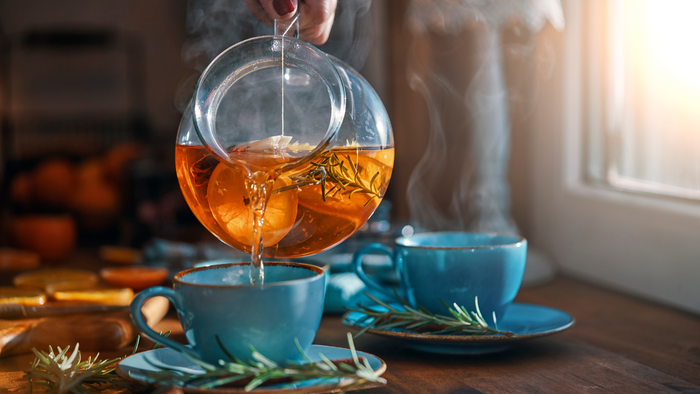
Safe Herbal Teas to Consume During Pregnancy
Ginger Tea
Ginger is the most common ingredient to treat nausea and vomiting. Ginger root contains bioactive compounds like gingerols and shogaols. Gingerols in fresh ginger calm the digestive tract, lower queasiness by influencing brain pathways, and ease bloating. Ginger tea helps by:
- Digestion Relief: It stimulates enzymes to relieve bloating, constipation, and indigestion.
- Immunity: Gingerol is an antioxidant which fights against inflammation and infections.
- Pain Relief: It has mild analgesic effects that soothe pain.
- Hydration: Instead of drinking plain water, ginger water helps add hydration and relieve nausea.
Drinking too much ginger tea can cause heartburn, gas, and belching. In some cases, it might thin blood or lower blood sugar.
Peppermint Tea
Peppermint packs menthol and flavonoids, which act as antispasmodics. Menthol calms gut muscles and reduces spasms. It improves bowel movement and improves digestion. The peppermint scent can reduce nausea.
- Morning Sickness: Peppermint provides mild relief for nausea
- Indigestion: It relaxes the tract and helps pass gas easily.
- Headache Relief: Menthol’s mild analgesic properties ease stress and headache.
- Muscle Cramps: Its antispasmodic effects help soothe cramps by improving blood circulation.
- Relaxation: The calming scent of peppermint reduces anxiety.
Some may experience heartburn as it relaxes the oesophageal sphincter, which can increase acid reflux. Peppermint might slow down iron absorption.
Raspberry Leaf Tea
Leaves from the red raspberry plant help tone the uterus and ease labour. The leaves contain fragarine, flavonoids, and magnesium, which strengthen uterine smooth muscles. It also helps shorten the second stage of labour.
- Muscle Toning: Fragarine from raspberry leaves helps with elasticity.
- Nutrients: It's high in iron, calcium, and vitamins to strengthen pelvic muscles.
- Hormonal Balance: Its antioxidant properties reduce inflammation during late pregnancy.
Though raspberry leaves are healthy to make tea, for some, they might cause nausea, diarrhoea, or loose stools. It often increases Braxton Hicks or allergies.
Lemon Balm Tea
Lemon balm has a few active compounds, including rosmarinic acid, flavonoids, and volatile oils. It increases GABA activity in the brain and soothes gut nerves.
- Stress Relief: Lemon balm reduces cortisol and improves mood.
- Better Sleep: It promotes long, restful sleep and helps with insomnia.
- Digestion: It soothes nausea and gas.
- Cold and Headache: The antiviral properties reduce illness and headache.
Tulsi Tea
Tulsi, or holy basil, is a favourite ingredient in Ayurveda for its adaptogenic and immune-boosting properties. Tulsi is rich in eugenol, ursolic acid, and antioxidants, which help fight against stress and inflammation.
- Immunity: Its antibacterial and antiviral properties, Vitamin C, and zinc help fight infection and cold.
- Nausea: It has mild antiemetic properties, which help ease nausea and bloating.
Fruit Tea
Infusing dried or fresh fruits helps in hydration and relieves constipation and morning sickness. Additionally, fruits also contain important prenatal nutrients and antioxidants that support immune health and iron absorption.
- Citrus: lemon and orange-infused tea helps relieve nausea and morning sickness. They are high in vitamin C for immunity boosting and iron absorption.
- Berries: Dried raspberries, strawberries and blueberries can be stored for a long time. Packed with antioxidants and vitamin C, berries help in foetal development.
- Apple: Apples are rich in fibre and vitamin C. They are gentle on the stomach and help with digestion.
- Mint and Cucumber: Dried mint and fresh cucumber juice are great for hydration and reducing inflammation.
Herbal Teas to Avoid During Pregnancy
Pennyroyal
Pennyroyal contains pulegone, a key oil which metabolises into liver toxins and induces uterine contraction. Even a little amount of this herb can cause bleeding. Pennyroyal tea can increase miscarriage and organ failure. Studies show the risk of fetal death.
Licorice Root
Liquorice roots are generally healthy and soothe sore throats. But in pregnancy, it can cause adverse effects. Liquorice contains glycyrrhizin, which can increase blood pressure, cortisol, and affect fetal neurological development. Drinking more liquorice tea can lead to preterm birth and cognitive effects in children.
Sage Tea
Concentrated sage contains thujone, which can cross the placenta and may stimulate uterine contractions and reduce milk supply in breastfeeding women.
Ginseng
Ginseng is widely popular for its energy-boosting effect. But it may affect hormone signalling in pregnancy and lead to vaginal bleeding or growth issues in the foetus.
Hibiscus Tea
Its tart flavour and antioxidant properties are great during normal times. But during pregnancy, it may trigger uterine contractions and lower blood pressure.
Pregnant women can safely drink herbal tea in moderate amounts. Drinking more cups of herbal tea daily can cause acid reflux and heartburn. Avoid raspberry leaf, liquorice root, sage, pennyroyal, ginseng, and hibiscus teas in the first trimester, as they might interfere with organogenesis. You can safely drink ginger tea, peppermint tea, and fruit infusions during all trimesters.
Whether you’re pregnant, a new mom, or navigating postpartum, you don’t have to do it alone. Join our support group to connect, share, and support one another.
FAQs on Are Herbal Teas Safe During Pregnancy? What Expecting Mothers Should Know
- Which infused water is best for pregnancy?
Infusing water with dried fruits and fresh vegetables helps in hydration and provides nutrients. You can infuse lemon and ginger to reduce morning sickness, cucumber and mint help reduce bloating, and oranges help in absorbing iron and increase immunity. - Which tea stimulates breast milk?
Fennel tea is a very popular ingredient which contains a galactagogue for milk production. Fenugreek tea and morning tea also help in milk production.