In this article:
These changes occur very quickly, often within hours of delivery, and may affect you both physically and emotionally. You can stay calm once you understand what is happening in your body and trust it during such sensitive times.
Why Are the First 72 Hours' Hormonal Changes So Intense?
Your hormone levels remain balanced to support your baby’s growth during pregnancy. But the levels change dramatically after you deliver. The placenta is no longer present, which means many pregnancy hormones are no longer being produced. As a result, your body adjusts rapidly.Hormone levels may change more quickly within the first three days than at any other time in your life. So, it can feel intense if you are not prepared to handle it.
Which Hormones Drop Immediately After Delivery?
Several hormone levels drop after birth. Some of these are:Oestrogen and progesterone levels
Oestrogen and progesterone rise steadily throughout pregnancy. They drop by nearly 90 per cent within 24 hours of delivery. The sudden fall signals your body that pregnancy has ended, and it's time for healing.It may cause fatigue, mood changes, headaches, and night sweats. You may also notice vaginal dryness or chills, which are temporary effects of lower oestrogen.
Human chorionic gonadotropin (hCG)
hCG is the hormone detected in pregnancy tests, and it also begins to decline after delivery. It may take a few weeks for it to return to its previous levels, but most of the drop occurs in the first few days.Which Hormones Increase After Birth?
Other hormones rise to support recovery and bonding.Oxytocin and bonding
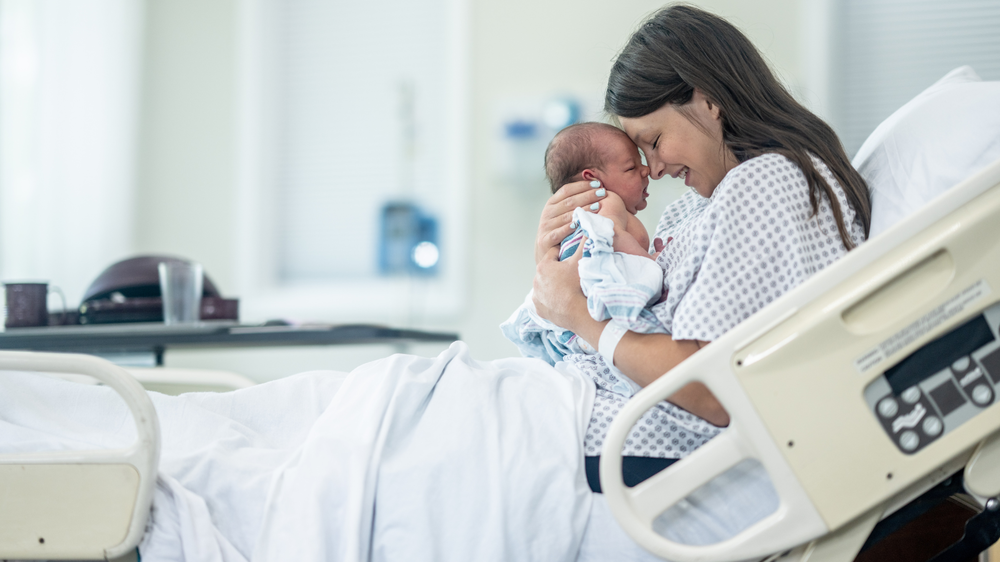
Oxytocin is called the “bonding hormone,” which increases during and after labour. It helps your uterus contract, reducing bleeding and allowing healing to begin.It also builds an emotional connection with your baby and brings a sense of calm, encouraging feelings of attachment. Skin-to-skin contact and breastfeeding naturally rise with oxytocin levels.
Prolactin and milk production
Prolactin stimulates breast milk production. Levels rise after delivery when your baby feeds often. Your breasts produce colostrum in the first 72 hours, which is a nutrient-rich milk.How Do These Hormonal Changes Affect Your Body?
Hormonal changes also influence many physical symptoms in the early postpartum period.You may experience uterine cramps, called afterpains, as oxytocin causes the uterus to shrink back to its original size. Sweating, especially at night, is common as your body releases excess fluid retained during pregnancy.
Digestive changes, loss of appetite or too much of it, and mild temperature fluctuations may also occur. But these changes settle within a few days.
How Do Hormones Affect Your Emotions After Delivery?
Emotional changes are very common in the first 72 hours.The “baby blues”
You may be part of the 70 per cent who experience the baby blues. It may lead to feeling tearful, anxious, overwhelmed, or sensitive. These feelings are strongly linked to falling oestrogen and progesterone levels combined with exhaustion.Baby blues peak around day three and improve within two weeks without treatment.
Emotional vulnerability and support
You may find reassurance in talking to your partner or family members about it. Emotional support from your loved ones can lower stress hormones.Does Mode of Delivery Change Hormonal Patterns?
Yes, hormonal shifts can vary slightly based on how you delivered. Oxytocin release is higher after vaginal birth due to labour contractions and immediate skin contact.After a caesarean birth, hormonal changes occur, but physical recovery may take longer, which can influence stress hormone levels such as cortisol.
Hormonal changes are part of the delivery regardless of the type.
When Should Hormonal Changes Raise Concern?
Some signs indicate problems, so it is necessary to get your doctor’s opinion on them.- Persistent sadness beyond two weeks
- High anxiety, confusion, or thoughts of harming yourself or your baby
What Can You Do to Support Hormonal Balance?
Hormonal changes are beyond anyone’s control, but you can support your body through this transition by taking the following steps.Rest and nutrition
Sleep enough, even if it is for a short while. Get protein and iron from the food you eat, and drink ample fluids to support healing.Gentle movement and hydration
Light walking improves circulation. Drinking enough water supports hormone regulation and milk production.Emotional care and connection
Talking about how you feel reduces emotional strain. Your partner can help you feel confident and regulate your emotions.What to Do Next: A Simple Checklist
- Monitor your emotional and physical symptoms daily
- Get rest and hydration
- Accept help from family or friends
- Maintain skin-to-skin contact with your baby
- Go to all your postpartum check-ups
- Seek help if symptoms feel overwhelming
Why Understanding Hormones Helps Recovery?
Hormones change to help you recover from the delivery and bond with the baby. They are only temporary, but their effects can feel overwhelming. Your body is taking on a new role, so fluctuations are normal.The first 72 hours after delivery may feel intense due to hormonal changes. They can feel overwhelming, but they happen for many purposes. You can confidently go through it with rest and support from your family. Understanding your hormones helps you care for your health better.
Whether you’re pregnant, a new mom, or navigating postpartum, you don’t have to do it alone. Join our support group to connect, share, and support one another.
FAQs on What Happens to a Mother’s Hormones in the First 72 Hours After Delivery?
- How long do postpartum hormones take to stabilise?
Most hormones begin stabilising within six weeks, though some changes may last longer during breastfeeding. - Can hormonal changes affect breastfeeding success?
Yes, prolactin and oxytocin levels directly influence milk production and let-down. - Is crying without reason normal after delivery?
Yes, it is common to be emotional in the first few days, but it improves on its own.