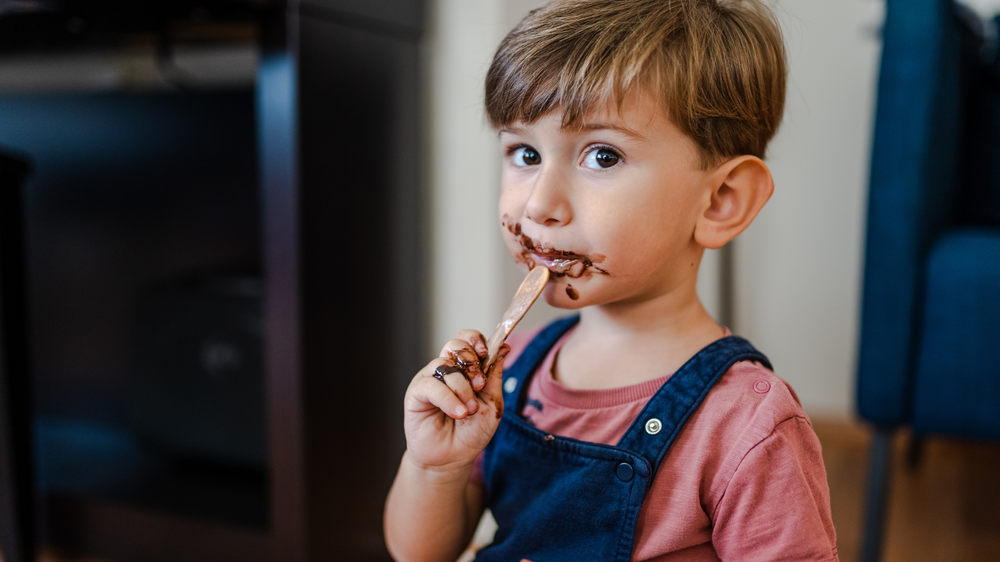
This article explores the link between nighttime sugar intake and behaviour, with simple insights for everyday parenting.
What Happens When Toddlers Consume Sugar?
Sugar is a simple form of carbohydrate that gives fast energy. As a child consumes sugar, it results in the quick absorption of glucose into the bloodstream. It ends up causing an increase in blood sugar levels.The body releases insulin to regulate the blood sugar to normal levels. The following are the effects caused during the process:
- Quick burst of energy
- Increased alertness
- The kid becomes more active
- Can even become restless for a short time
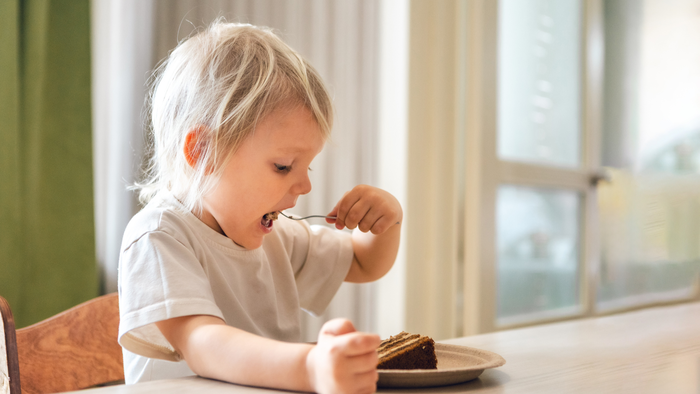
Does Sugar Directly Lead to Hyperactivity?
Many parents believe sugar makes toddlers hyper, but the truth is more balanced. Here are some simple points to understand:- No clear proof: Research shows sugar does not directly cause hyperactivity in most children
- Expectation effect: Parents may notice more activity because they expect it after sweets
- Environment matters: Sugar is often given during parties or playtime, where kids are already excited
- Quick energy boost: Sugar gives a short burst of energy, but it fades quickly
- Sleep timing matters: Sugar at night may affect sleep, which can change behaviour
- Each child is different: Some toddlers may react more than others, but effects are usually mild
- Routine is important: Irregular meals and sleep can impact behaviour more than sugar alone
Effects of Nighttime Sugar Intake in Toddlers
While sugar consumption does not necessarily cause hyperactive behaviour in toddlers, other reasons can be detrimental.Sleep Interference
- Make it harder for toddlers to fall asleep quickly
- It may cause restless sleep and frequent waking during the night
- Toddlers may not get deep, quality sleep, which is important for growth
- Irregular sleep can lead to a disrupted bedtime routine over time
Changes in Energy and Behaviour
- A sugar rush may make toddlers feel active or excited at night
- After the boost, they may experience an energy rush, leading to crankiness
- Poor sleep can result in irritability and mood swings the next day
- Some toddlers may even show short attention span due to lack of proper rest
Impact on Health
- Eating sugar at night increases the risk of tooth decay, especially if teeth are not brushed
- Late-night sugary snacks can lead to unhealthy eating habits
- Over time, it may affect overall nutritional balance
- Consistent poor sleep may impact your toddler's growth and well-being
Foods That May Contain Sugar
Many everyday foods can contain hidden or added sugar, even those that seem healthy. These include the following:- Sweet snacks like candy, chocolate, cookies, and cakes
- Sugary drinks like soda, fruit juice, and flavoured milk
- Breakfast cereals, especially those with added colours and flavours
- Yoghurt with fruit flavours or added sweeteners
- Packaged baked foods like muffins, doughnuts, and pastries
- Sauces and spreads like ketchup, barbecue sauce, and jam
- Processed foods such as granola bars and snack packs
- Ice cream and frozen desserts
- Flavoured oatmeal or instant porridge
- Even some breads and crackers with added sugars
Alternative Healthy Evening Snacks
Choosing the right evening snacks can help toddlers feel satisfied without too much sugar before bedtime. You can opt for the following:- Fresh fruits like banana slices, apple pieces, or berries
- Plain yoghurt with a little natural fruit mixed in
- Warm milk, which can help calm and relax before sleep
- Whole-grain crackers with a small amount of cheese
- Steamed vegetables like carrots or sweet potatoes, soft and easy to eat
- Homemade smoothies with milk and fresh fruits, no added sugars
- Oatmeal made with milk and a pinch of cinnamon
- Boiled eggs for a simple protein-rich snack
- Peanut butter spread thinly on whole-grain toast (if there are no allergies to peanuts)
- Small portions of nuts or seeds (for older toddlers, safely used)
Safety and Health Considerations: Tips For Parents
Here are some easy tips for parents:- Keep snack times predictable to avoid constant grazing
- Offer small portions to prevent overeating before bed
- Choose natural, low-sugar foods whenever possible
- Avoid sugary drinks; instead, stick to water or milk
- Encourage slow eating and mindful chewing
- Avoid screens while eating to build better habits
- Introduce variety to keep snacks interesting and nutritious
- Watch for allergies when trying new foods
- Lead by example since children follow what you do
Whether you’re pregnant, a new mom, or navigating postpartum, you don’t have to do it alone. Join our support group to connect, share, and support one another.
FAQs on Increased Sugar Intake at Night: Does it Cause Hyperactivity in Toddlers
- What time should toddlers stop eating sugary foods before bedtime?
Ideally, toddlers should stop consuming sugary foods at least 1-2 hours before bedtime to prevent sleep disruption and energy spikes. - Can sugar be replaced with honey at night?
Honey can replace sugar occasionally, but limit the amounts and avoid it for children under 1 year. - What if my toddler refuses healthy snacks?
Stay patient, offer small portions repeatedly, avoid pressure, and model healthy eating. Toddlers often accept new foods with time, patience, and consistency.