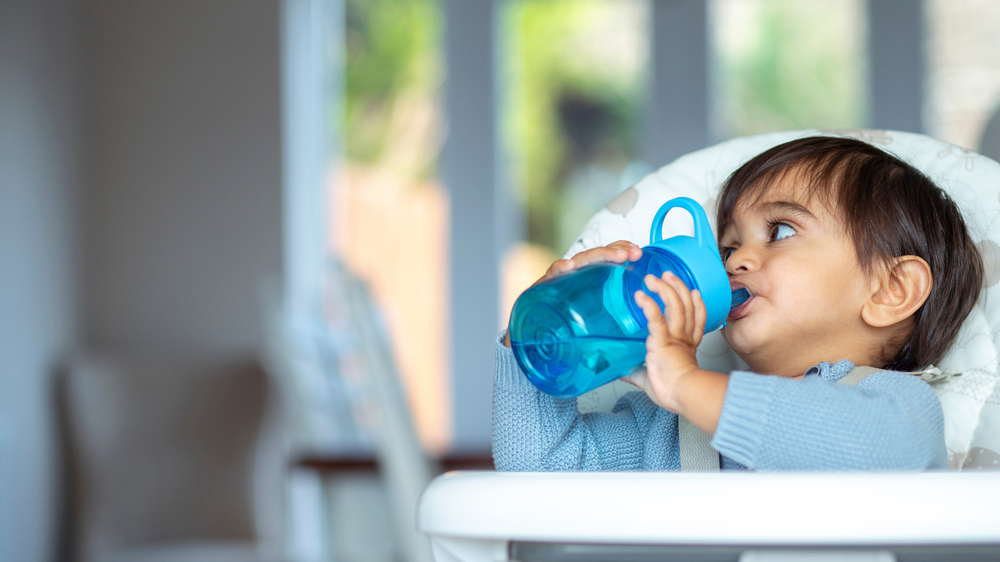
Dr Shobha Gupta, a gynaecologist and IVF expert at Mother’s Lap IVF Centre in New Delhi and the founder of Mumma’s Blessing IVF and Birthing Paradise in Vrindavan, states that the quality of the source is more important than the age of the child.
When Can You Stop Giving Boiled Water to a Toddler?
There’s no specific age at which each child has to stop consuming boiled drinking water. After the age of one year, toddlers usually can be served the same treated potable water that the rest of the family drinks. Nevertheless, before making the switch, parents need to ensure that the water supply is purified and secure.Water quality is more important than the age limit. If safe drinking water is generally available in the household, boiling water is mostly unnecessary. Parents can start giving their kids regular drinking water gradually while making sure that the water stored is clean and safe.
“Once a child is older than one year and the family has access to a safe, treated drinking-water supply, there is generally no medical need to keep boiling water purely because the child is a toddler."
- Dr Shobha Gupta, gynaecologist and IVF expert at Mother’s Lap IVF Centre in New Delhi and the founder of Mumma’s Blessing IVF and Birthing Paradise in Vrindavan
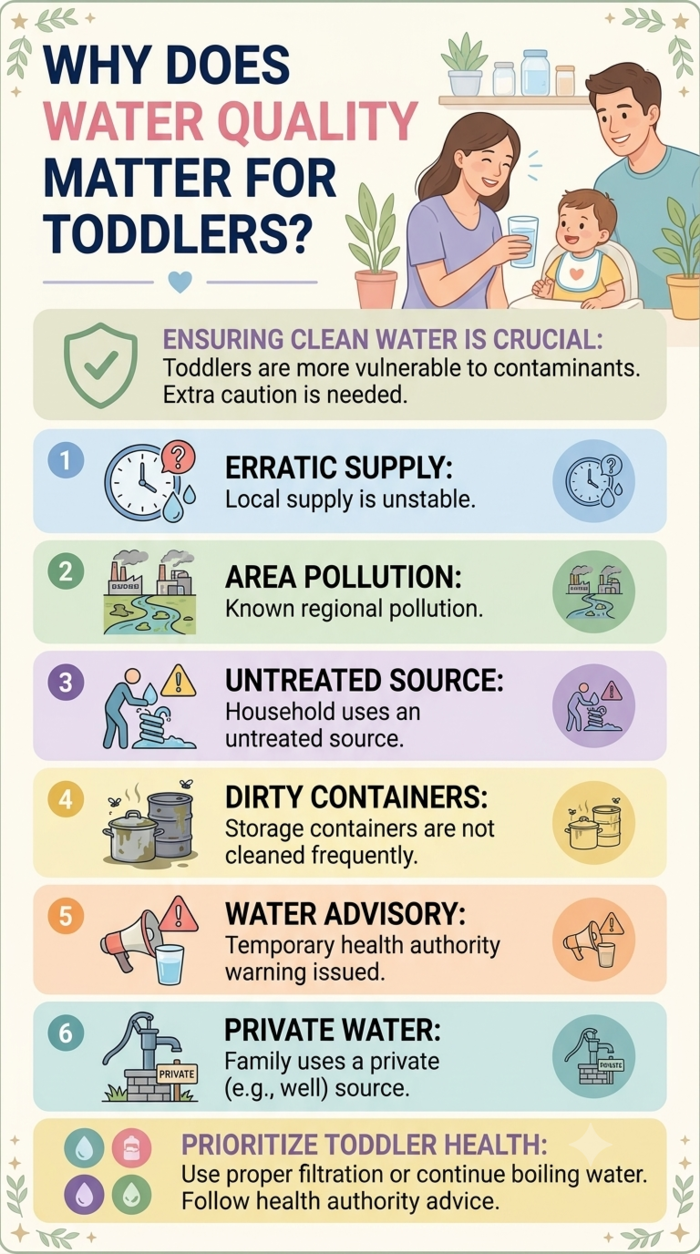
Why Does Water Quality Matter?
Boiling water can help eliminate germs from polluted water. However, the decision to boil water depends on where the water comes from and its quality.More caution should be observed in the following situations:
- The local water supply is erratic
- There's a known issue of water pollution in the area
- Your household gets water from an untreated source
- Water is stored in containers that are not cleaned frequently
- A temporary warning on drinking water has been issued
- Your family uses a private or untreated water source
How Should Boiled Water Be Stored?
According to Dr Shobha Gupta, parents should do the following:- Use a container with a tight lid
- Wait for the boiled water to cool down before administering it to children
- Always keep the lid of the container closed
- Avoid touching the boiled water with hands that have not been washed
- Utilise clean cups and utensils for drinking
- Clean and dry the storage containers regularly
- Follow local guidelines when storing treated water
How Much Water Does a Toddler Need?
A toddler’s fluid needs are determined by a number of factors, including weather, physical activity, and diet. In hot weather or during active play, a toddler may require higher fluid intake. Parents should make safe drinking water available regularly, but without overdoing it. Thirst may be the key cue as to when a toddler requires fluid. Water-rich foods, such as fruits and vegetables, also contribute to overall fluid intake and ensure proper levels of hydration throughout the day.When Should You Continue Boiling Water?
According to Dr Shobha Gupta, there is a need for boiling water for children in the following situations:- When the source of water is confirmed as polluted
- If authorities have advised boiling drinking water
- When there is no treated water available at home
- In case the family is using an unsafe source of water
- If there are doubts regarding the purity of water received at home
What Parents Should Keep in Mind
The objective is not simply to provide boiled water for a specific number of years, but rather that the young child consumes clear, clean, and safe water. After about a year, children are usually able to drink clear and properly treated water. If there are doubts about the quality of the water, the parents should keep on treating it until it is known to be safe for consumption.Parents can stop giving boiled water when their toddler is over one year old, and the family’s regular water supply is safe and properly treated. There is no need to make changes based on age alone. Check the water source, store drinking water safely, and offer plain water regularly. If there is any doubt about water quality, seek local guidance before making a change. Good hydration starts with safe water, not necessarily boiled water.
Whether you’re pregnant, a new mom, or navigating postpartum, you don’t have to do it alone. Join our support group to connect, share, and support one another.
FAQs on When to Stop Giving Boiled Water to Toddlers
- Can toddlers drink water from a water purifier?
Yes, provided the purifier is suitable for the household water source and is maintained according to the manufacturer’s instructions. Filters and purification systems should be cleaned or replaced as recommended. - Is warm water better for toddlers than room-temperature water?
There is generally no need for toddlers to drink warm water unless there is a specific reason given by the doctor. Safe drinking water can usually be offered at a comfortable temperature. - Can a toddler refuse water after switching from boiled water?
Some toddlers may take time to accept a change in taste or temperature. Offer safe water regularly without forcing the child. Using a familiar cup and offering small amounts throughout the day may help the child adjust.