
In this article:
Why Do High-Risk Pregnancies Require Special Care?
If you suffer from heart valve conditions, it means you could have a high-risk pregnancy. Rather than being scary, the high-risk category means you need special care during pregnancy. Most of your antenatal care visits will be with specialists.
There must be a written care plan in place for managing a high-risk pregnancy. This document should be reviewed and updated regularly. It should have details of your diagnosis and medical history to ensure nothing is overlooked; every decision should be holistic and informed.
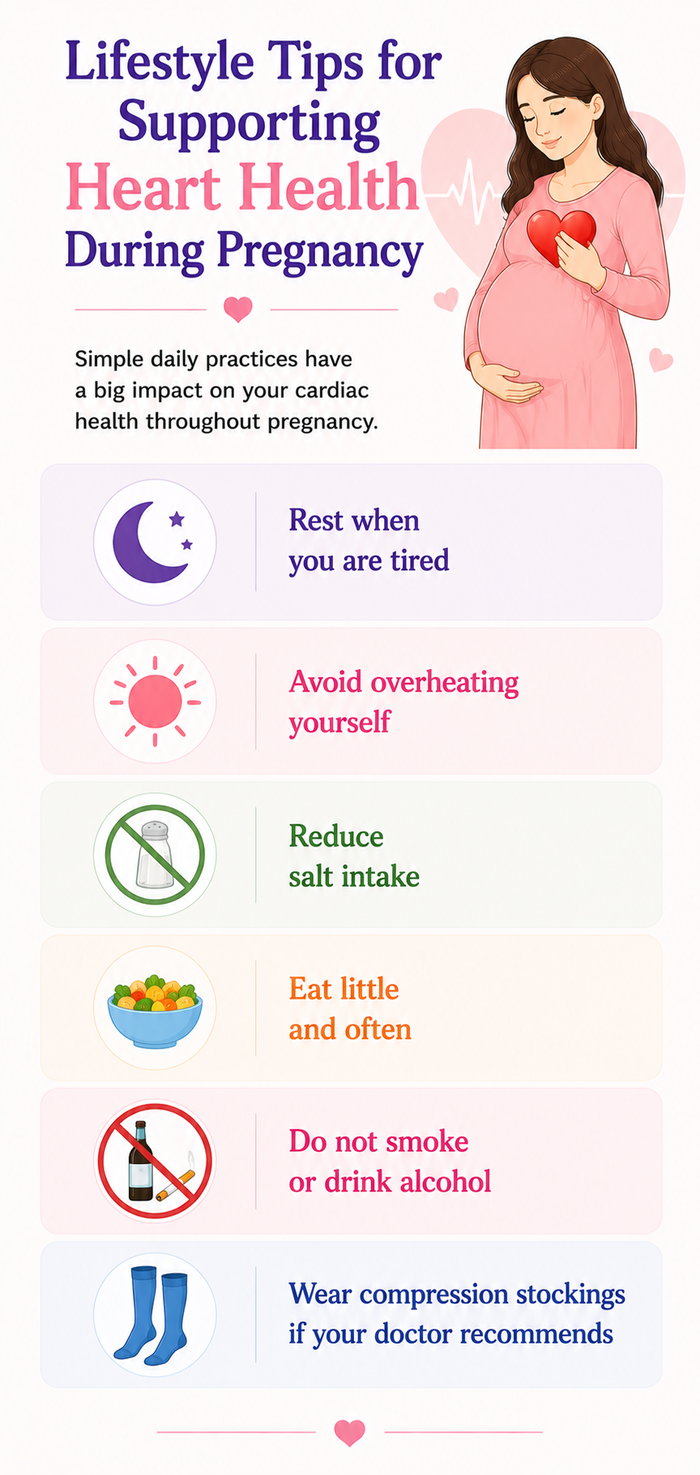
Lifestyle Tips for Supporting Heart Health During Pregnancy
Simple daily practices have a big impact on your cardiac health throughout pregnancy.
- Rest when you are tired
- Avoid overheating yourself
- Reduce salt intake
- Eat little and often
- Do not smoke or drink alcohol
- Wear compression stockings if your doctor recommends
Monitoring and Follow-Up Appointments
An increased frequency of check-ups is not a suggestion when managing a heart valve disorder in pregnancy, but an absolute necessity. Expect that during your antenatal appointments:
- Echocardiograms will assess the state and functionality of your valves.
- Your blood pressure will be taken every time you visit.Blood tests may be required to measure levels of certain medications, kidney function and haemoglobin.
- Growth scans for your baby will help monitor development.
- A foetal echocardiogram may be performed at around 20 weeks to detect and monitor your baby’s heart.
Skipping appointments may lead to the failure of detecting potential problems, which may progress because of the lack of timely medical attention. You should attend all your appointments during your pregnancy.
Nutrition and Exercise During Pregnancy
Proper nutrition and exercise are very important.
In case of a heart problem, good nutrition implies taking an iron-rich diet along with enough fluids while avoiding salty foods. Combining iron and vitamin C will enhance its absorption.
Avoid over-processed foods and fried foods, which are typically high in salt and saturated fat. Your doctor or cardiologist will outline an individualised exercise plan. This usually involves moderation. Some women with mild conditions may be able to continue walking or doing gentle prenatal yoga. Those with moderate or severe cardiac issues may be advised to limit physical exertion greatly and not participate in strenuous activities that would be recommended for other pregnancies.
Planning for Labour and Delivery
You and your medical team will need to plan your delivery and begin the process by 28 to 32 weeks of pregnancy to ensure that nothing has been overlooked, and a strategy has been put in place. Key factors in delivery planning include:
- Where will it take place?
- When will it occur?
- Pain management
- The type of delivery
If there is a problem, the facilities and staff should be on-site or within proximity to administer appropriate care quickly and efficiently.
Postpartum Care
The six to eight weeks following childbirth are not without risk to mothers with a heart valve disorder, and should be monitored with as much care as the pregnancy itself.
Any medications stopped during pregnancy should be reinstated where indicated and safe to continue post-delivery; your cardiologist will advise it. You should be vigilant for any signs of shortness of breath, swelling, or significant weight gain, which indicate fluid retention and overload. Discuss medication plans regarding breastfeeding before your baby is born. Your postpartum cardiac review should take place approximately 6 weeks post-delivery.
When to Consult a Doctor
Contact a medical professional immediately if you experience any of the following symptoms:
- Shortness of breath or an increased breathing rate, particularly at rest
- Chest pain or discomfort
- Heart palpitations or irregular heart rhythms
- Fainting or loss of consciousness
- Sudden swelling, typically in the ankles, legs and face
- Reduced foetal movement
- Fever or chills
Although complex, the management of a heart valve disorder during pregnancy is not impossible. The key to a successful, low-risk journey from conception to delivery lies in careful, specialised care throughout each stage. With meticulous planning and a cardiology and obstetric team that is informed of your specific health needs and risks, these journeys are not just achievable but also incredibly manageable.
Whether you’re pregnant, a new mom, or navigating postpartum, you don’t have to do it alone. Join our support group to connect, share, and support one another.
FAQs on How to Manage Heart Valve Conditions in Pregnancy
- How frequently will I need to see a cardiologist throughout my pregnancy?
The frequency of your appointments will depend on the nature and severity of your particular heart valve condition. - Can I breastfeed while taking cardiac medications?
Whether or not you can breastfeed safely will depend on the specific medication you are taking. It is best to have discussions regarding your heart valve disorder and potential medication requirements during pregnancy before your delivery. - Is it safe for me to get pregnant again when I have had a heart valve disorder diagnosis?
Depending on the type and severity of your heart valve disorder and how your first pregnancy was managed, another pregnancy can often be safe. This is one of the issues that must be discussed with a cardiologist well in advance of another pregnancy.