The infection may spread through infected blood and other body fluids. For a newborn, transmission from an infected mother during or around delivery is an important route of infection.
We spoke to Dr Gopal Aggarwal, Director – Department of Paediatrics and Neonatology at Cloudnine Group of Hospitals, Gurgaon, on the importance of the hepatitis B birth dose.
He highlighted that vaccination soon after birth is a key preventive measure against the hepatitis B virus (HBV) and the associated lifelong consequences.
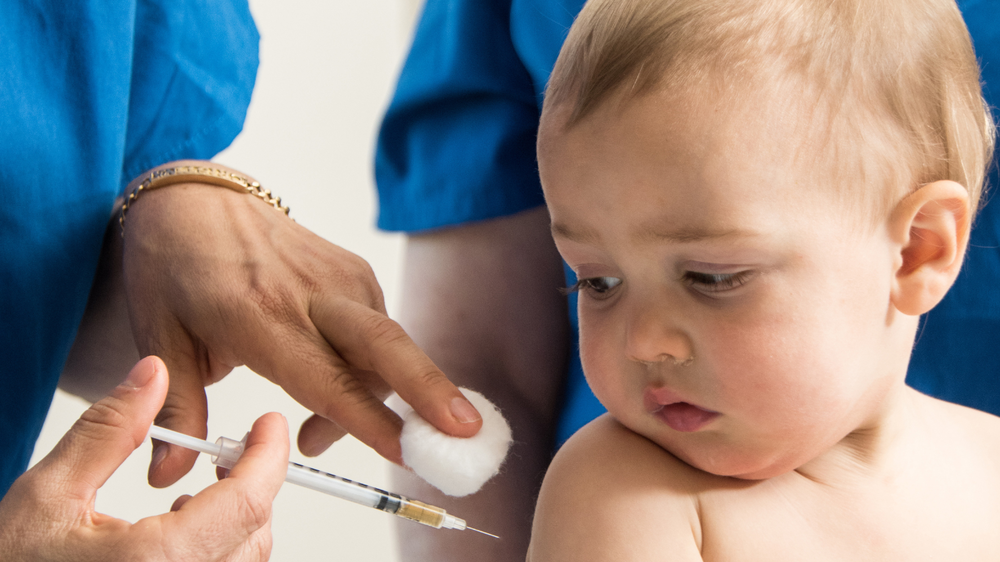
As per the National Immunisation Schedule in India, a hepatitis B birth dose is given at birth. It is generally given within the first 24 hours or as early as possible.
Why Does the Hepatitis B Birth Dose Matter?
A newborn exposed to hepatitis B from an infected mother during or around delivery can face a lifelong risk of infection. This is because hepatitis B acquired during infancy is much more likely to become chronic than infection acquired during adulthood.The birth dose provides early protection against hepatitis B. It is particularly important because the mother's infection may not always be known at the time of delivery.
According to Dr Gopal Aggarwal, hepatitis B infection can lead to the following complications:
- Chronic liver disease
- Cirrhosis
- Liver cancer (later in life)
What If You Have Hepatitis B?
Dr Gopal Aggarwal emphasises that preventive strategies for the baby become extremely important if the mother has been diagnosed with hepatitis B infection. The newborn may require both the hepatitis B vaccine and hepatitis B immunoglobulin (HBIG) as soon as possible, according to medical advice. For a baby born to an HBsAg-positive mother, these should preferably be administered within 12 hours of birth.Your obstetrician and your child’s neonatal care team may assess your test reports and determine the appropriate preventive treatment for your baby.
Hepatitis B Vaccine Schedule for Babies in India
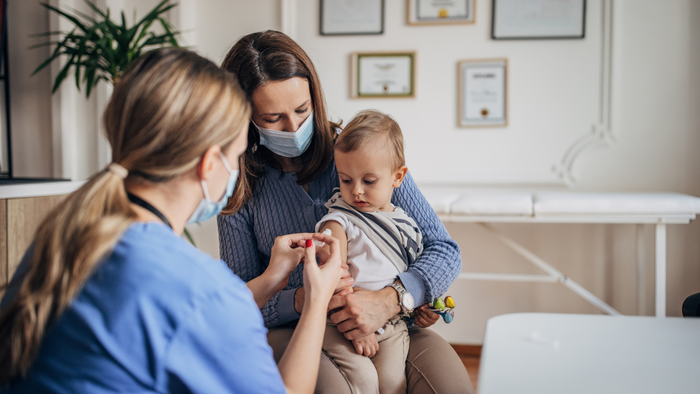
The birth dose is the first step and does not replace the later doses. Your baby needs to complete the recommended immunisation series.| Age | Hepatitis B protection |
| At birth | Hepatitis B birth dose, preferably within 24 hours |
| 6 weeks | Pentavalent vaccine containing hepatitis B |
| 10 weeks | Pentavalent vaccine containing hepatitis B |
| 14 weeks | Pentavalent vaccine containing hepatitis B |
If Your Baby Misses the Birth Dose
Ideally, the birth dose should be given within 24 hours. However, if this window has been missed, speak with your baby's paediatrician as soon as possible.Dr Gopal Aggarwal advises parents not to delay the birth dose unnecessarily or assume that it is no longer useful if the ideal time has passed. Your doctor can advise you on the next appropriate step based on your baby's age and vaccination history.
Keep your baby's immunisation record updated so you can track the remaining doses.
How Safe Is the Hepatitis B Vaccine for Newborns?
The hepatitis B vaccine is generally well tolerated. Your baby may experience mild reactions such as:- Pain at the injection site
- Mild redness or swelling
- Occasional fever
Dr Gopal Aggarwal emphasises that the important message for parents is simple: do not delay the hepatitis B birth dose unnecessarily. Early vaccination provides protection against an infection that can have lifelong consequences.
Completing the recommended hepatitis B vaccination schedule gives your baby continued protection as they grow.
Whether you’re pregnant, a new mom, or navigating postpartum, you don’t have to do it alone. Join our support group to connect, share, and support one another.
FAQs on Hepatitis B Vaccine for Babies: Why the Birth Dose Matters
- Can the hepatitis B vaccine be given to a newborn on the first day?
Yes. The birth dose is recommended as soon as possible after birth, preferably within 24 hours. - Is the hepatitis B birth dose needed if the mother tested negative?
Yes. The birth dose is part of the routine immunisation schedule for newborns in India. It also provides protection against possible exposure later. - What happens if my baby does not receive the hepatitis B vaccine within 24 hours?
Speak with your baby's paediatrician promptly. Although the ideal birth-dose window is within 24 hours, your doctor can advise you on the next appropriate step based on your baby's age and vaccination history.