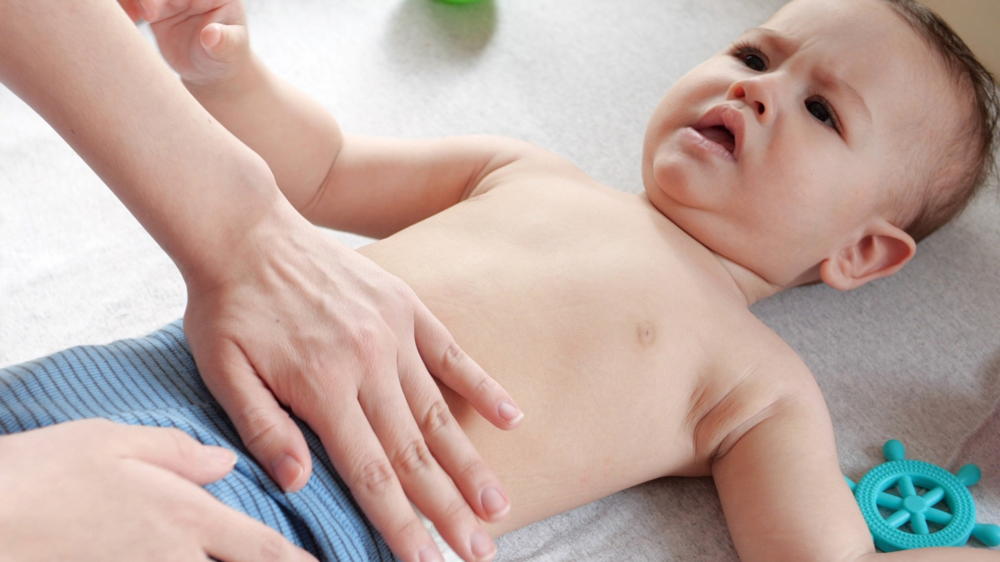
To understand the causes of a lump near a baby’s belly button, how it is diagnosed, and the available treatment options, we spoke with Dr Piyush Jain, Senior Paediatrician and Neonatologist at Cloudnine Group of Hospitals, Vashi, Navi Mumbai.
What Is an Urachal Cyst in Babies?
A urachal cyst is a fluid-filled pocket that forms when part of the urachus remains after birth. The urachus is a tube-like structure that connects the bladder to the belly button during fetal development.Normally, this structure closes before birth and becomes a fibrous band. If the middle portion remains open while both ends close, fluid can collect and form a cyst.
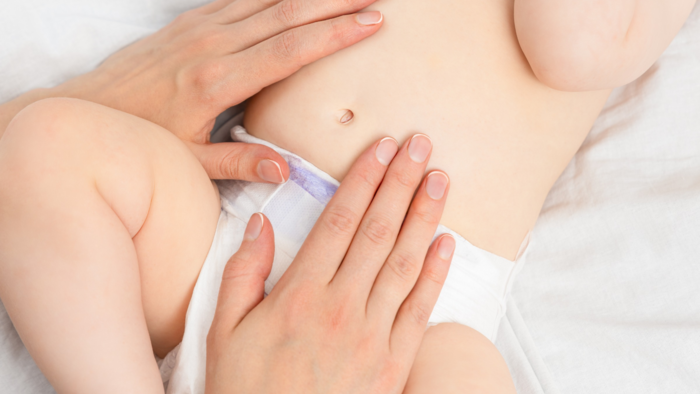
A urachal cyst is usually located between the bladder and the belly button. Some cysts remain unnoticed, while others may become infected and cause discomfort.
What Causes a Urachal Cyst in Babies?
A urachal cyst develops when the urachus does not close completely during fetal development. The exact reason this happens is often unknown.Possible factors include:
- Incomplete closure before birth: A section of the urachus remains instead of closing completely.
- Fluid collection: Fluid may collect in the remaining space and form a cyst.
- Infection: Bacteria can sometimes enter the cyst and cause inflammation or infection.
What Are the Symptoms of a Urachal Cyst in Babies?
Some babies with a urachal cyst have no symptoms. The cyst may be discovered during an ultrasound performed for another reason.When symptoms occur, they may include:
- Swelling or a lump near the belly button or lower abdomen.
- Redness, tenderness, or pain around the belly button.
- Fever if the cyst becomes infected.
- Fluid or pus coming from the belly button in some cases.
- Irritability or unusual crying due to discomfort.
- Pain or discomfort during urination in some cases.
Most umbilical hernias in babies are painless and harmless. As the abdominal muscles gradually strengthen and close the opening, the hernia often disappears naturally by the age of three to five years.
How Is a Urachal Cyst Diagnosed?
Doctors may suspect a urachal cyst based on the baby's symptoms and a physical examination. They may recommend imaging tests to confirm the diagnosis and check the cyst's location.Common tests include:
- Ultrasound: This is usually the first test used to identify a fluid-filled cyst between the bladder and belly button.
- Urine tests: These may be recommended if a urinary tract infection is suspected.
- Additional imaging: In selected cases, further imaging may be needed if the diagnosis is unclear or complications are suspected.
How Is an Urachal Cyst Treated in Babies?
Treatment depends on the baby's age, symptoms, cyst size, and whether an infection is present.Options may include:
- Observation: Some small, uncomplicated cysts may be monitored by a specialist, particularly in young babies, because certain urachal remnants can resolve naturally.
- Antibiotics: If the cyst becomes infected, the doctor may prescribe antibiotics.
- Drainage: A severely infected cyst may need drainage to remove the collected fluid or pus.
- Surgery: Surgical removal may be recommended for persistent, repeatedly infected, or symptomatic cysts. The timing depends on the baby's condition and the specialist's assessment.
When Should You See a Doctor?
Consult your baby's paediatrician if you notice a lump, swelling, redness, or unusual discharge around the belly button.Seek prompt medical attention if your baby has:
- Fever along with belly button swelling or tenderness.
- Pus or persistent fluid coming from the belly button.
- Increasing pain, redness, or swelling.
- Difficulty passing urine or signs of being unwell.
FAQs on Lump Near a Baby’s Belly Button: Causes and Treatment
- Is a urachal cyst present at birth?
Yes, it develops before birth when part of the urachus does not close completely, although symptoms may appear later. - Can a urachal cyst go away on its own?
Some uncomplicated urachal remnants may resolve naturally, especially in young babies. A specialist should decide whether observation is appropriate. - Is a urachal cyst dangerous for babies?
Many cysts cause no problems, but infection can lead to pain, swelling, and fever. Prompt medical care is important if symptoms develop.