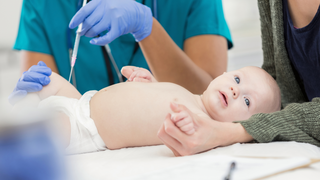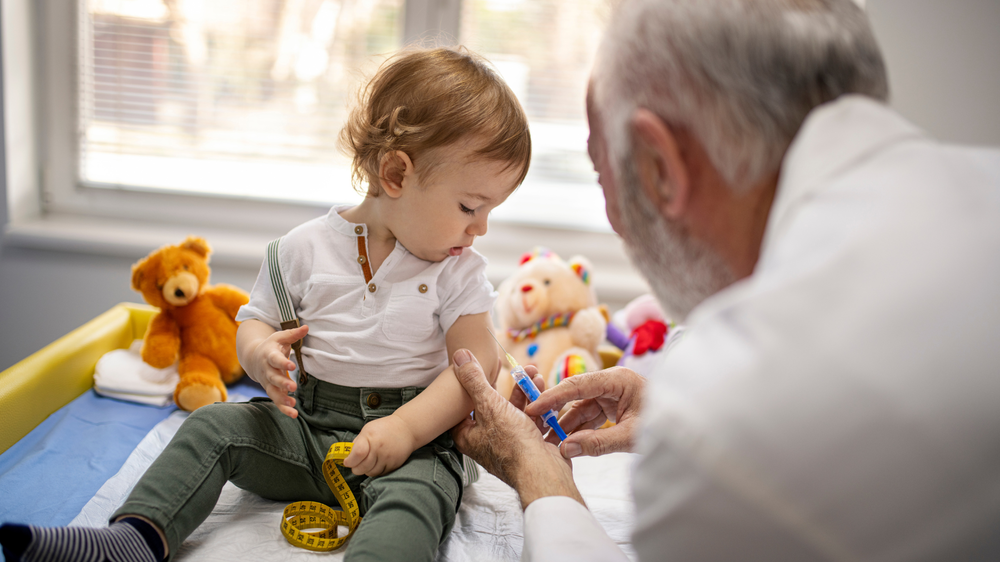
Measles is extremely contagious and can cause pneumonia, brain inflammation (encephalitis) and, in severe cases, death. Mumps commonly causes painful swelling of the salivary glands and can occasionally affect the brain or reproductive organs. Rubella is usually mild in children but can cause serious birth defects if a woman develops the infection during pregnancy.
We spoke to Dr Harshit Kumar, Consultant – Neonatologist and Paediatrician at Cloudnine Group of Hospitals, Jalandhar, who explains that the MMR vaccine protects against all three infections. It is a live attenuated vaccine, containing weakened forms of the viruses that stimulate an immune response.
What Are the Benefits of the MMR Vaccine?
According to Dr Harshit Kumar, MMR vaccination provides protection against three important childhood infections:- Measles: It helps reduce the risk of measles and associated complications, including
- Pneumonia
- Encephalitis
- Mumps: It provides protection against mumps and its complications that may involve other organs.
- Rubella: It helps lower the risk of rubella during childhood. It also reduces the risk of infection during pregnancy and later in life.
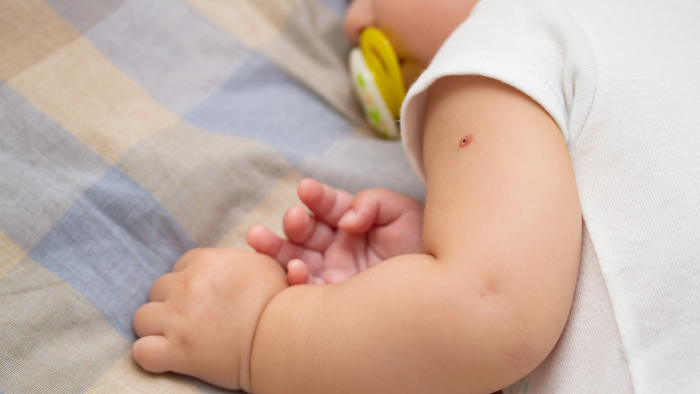
What Is the MMR Vaccine Schedule in India?
The National Immunisation Schedule provides MR (measles-rubella) vaccination instead of routine MMR vaccination in India. The doses are planned in the following manner:| Age | Measles-containing vaccine |
| 9–12 months | MR-1 |
| 16–24 months | MR-2 |
Vaccination schedules can be updated. Therefore, always follow the latest Government of India schedule and your paediatrician's advice rather than relying on an older vaccination chart.
What If Your Child Misses an MMR or MR Dose?
If your child misses a scheduled measles-containing vaccine dose, speak with your paediatrician or vaccination provider. A delayed vaccination series generally does not need to be restarted.Your child's vaccination record can help the healthcare provider determine which dose is due and when it should be given. A catch-up schedule may be recommended when vaccination has been delayed.
Dr Harshit Kumar emphasises that completing the recommended doses is important for achieving strong protection against measles.
What Are the Side Effects of the MMR Vaccine?
The MMR vaccine is generally well tolerated. Some children may develop:- Mild fever
- A temporary rash
- Swelling of the glands
- Pain, redness or mild swelling at the injection site
- Temporary tiredness or flu-like symptoms
If your child develops difficulty breathing, swelling of the face or throat, severe weakness or another concerning reaction after vaccination, get immediate medical attention.
Is MMR Safe During Pregnancy?
MMR is a live attenuated vaccine and is not given during pregnancy. Dr Harshit Kumar recommends checking a woman's vaccination status before pregnancy so that any required vaccination can be considered at the appropriate time.This is particularly important for rubella because infection during pregnancy can cause serious birth defects in the developing baby.
Keeping children vaccinated helps protect them against measles, mumps and rubella while also reducing transmission in the community. Follow the latest vaccination schedule and your paediatrician's advice to keep protection up to date.
Whether you’re pregnant, a new mom, or navigating postpartum, you don’t have to do it alone. Join our support group to connect, share, and support one another.
FAQs on Measles, Mumps, and Rubella (MMR) Vaccine: Benefits, Schedule, and Side Effects
- What does the MMR vaccine protect against?
The MMR vaccine protects against measles, mumps and rubella. These infections can sometimes cause serious complications, including pneumonia, encephalitis and pregnancy-related complications from rubella. - Is MMR included in India's National Immunisation Schedule?
India's routine National Immunisation Schedule provides MR vaccination at 9–12 months and 16–24 months. MMR is widely used through private immunisation schedules. - Can the MMR vaccine be given during pregnancy?
No. MMR is a live attenuated vaccine and is not given during pregnancy. A woman's vaccination status should ideally be checked before pregnancy, with vaccination planned according to medical advice.