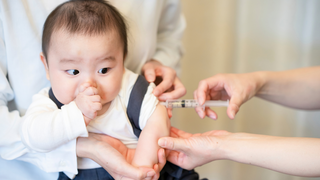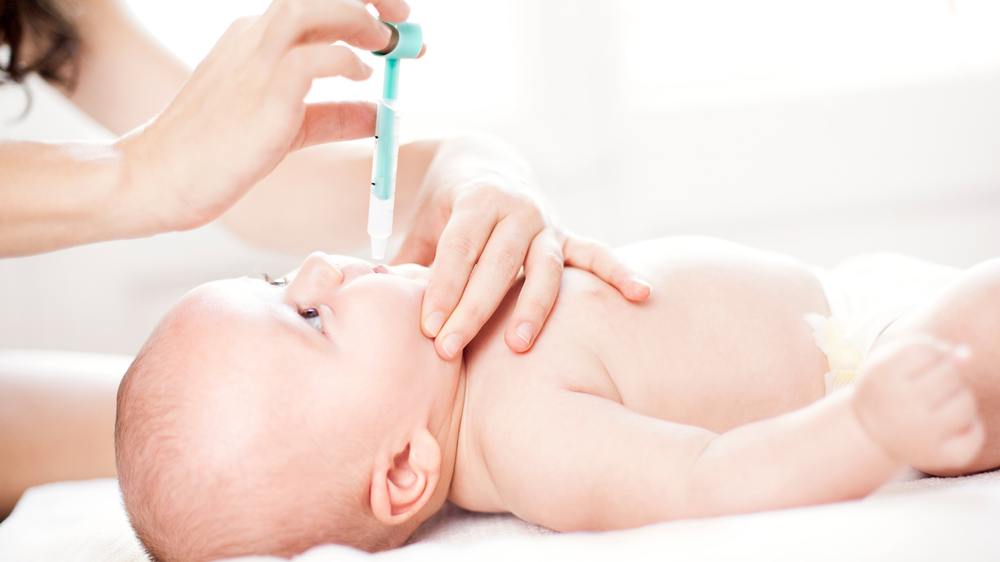
The oral polio vaccine (OPV) is given as drops by mouth. It contains weakened poliovirus that helps your child develop immunity and can also reduce the spread of poliovirus in communities.
We spoke to Dr Gopal Aggarwal, Director – Department of Paediatrics and Neonatology at Cloudnine Group of Hospitals, Gurgaon, about the role of OPV in India's polio vaccination programme. According to Dr Gopal Aggarwal, OPV has played a major role in India's fight against poliomyelitis and remains important even though India has been certified polio-free since 2014.
What Are the Benefits of the Oral Polio Vaccine?
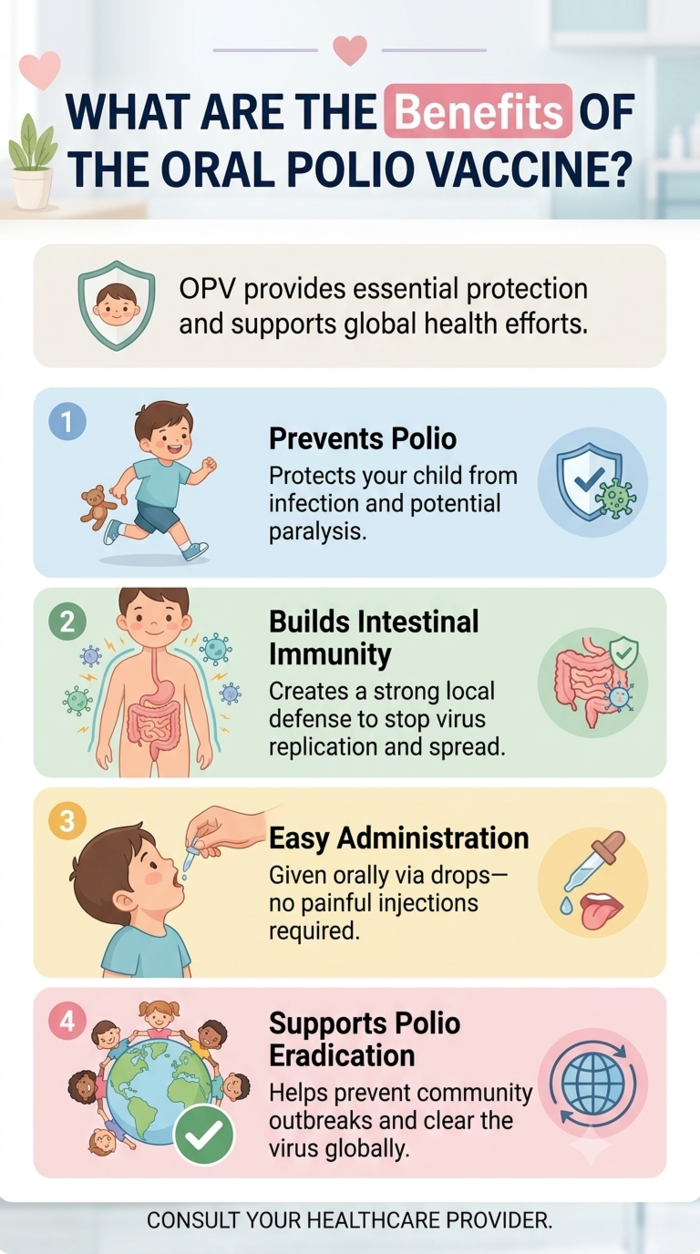
The oral polio vaccine may help your child in the following ways:- Helps prevent polio: This vaccine provides protection to your child against poliovirus infection and the paralysis it may cause.
- Builds intestinal immunity: The vaccine produces an immune response in the intestine, where poliovirus multiplies. This can help reduce the spread of the virus.
- Easy to give: OPV is administered orally, so your child does not need an injection for this vaccine.
- Supports polio eradication: High vaccination coverage helps prevent poliovirus from circulating and reduces the risk of outbreaks.
Therefore, neither India's polio-free status nor your child’s up-to-date vaccination record ensures complete protection. It only helps reduce the risk on exposure.
OPV and IPV: Are They the Same?
No. OPV and the inactivated polio vaccine (IPV) are different vaccines.| Feature | OPV | IPV |
| How it is given | Oral drops | Injection |
| Vaccine type | Live attenuated vaccine | Inactivated vaccine |
| Main role | Helps protect against polio and reduce virus transmission | Helps protect against paralytic polio |
What Is the OPV Schedule in India?
Under India's National Immunisation Schedule, OPV is given at birth and during infancy.| Age | OPV dose |
| At birth | OPV-0, as early as possible within the first 15 days |
| 6 weeks | OPV-1 |
| 10 weeks | OPV-2 |
| 14 weeks | OPV-3 |
| 16–24 months | OPV booster |
According to Dr Gopal Aggarwal, parents should maintain their child's vaccination record carefully and ensure that every recommended dose is received.
What If Your Child Misses an OPV Dose?
If your child misses a scheduled OPV dose, speak with your paediatrician or vaccination provider. Do not assume that the entire vaccination series needs to be restarted.Your healthcare provider can review your child's immunisation record and advise you about the next appropriate dose.
What Are the Side Effects of OPV?
Most children tolerate OPV without significant problems. Occasionally, your child may develop:- Mild gastrointestinal symptoms
- Fever
In areas with low vaccination coverage, vaccine viruses can also circulate for longer and, rarely, develop into circulating vaccine-derived polioviruses (cVDPVs).
Dr Gopal Aggarwal explains that these complications are very uncommon. Maintaining high vaccination coverage remains essential for preventing poliovirus transmission.
India has been certified polio-free since 2014, but continued vaccination is still important because poliovirus remains present in some parts of the world. Being free of polio does not mean vaccination can stop it.
Whether you’re pregnant, a new mom, or navigating postpartum, you don’t have to do it alone. Join our support group to connect, share, and support one another.
FAQs on Oral Polio Vaccine (OPV): Benefits, Schedule, and Side Effects
- How is the oral polio vaccine given?
OPV is given as oral drops. Under India's National Immunisation Schedule, the routine dose is two drops. - Is OPV safe for children?
OPV is generally well tolerated, and most children do not develop significant problems. Mild gastrointestinal symptoms or fever may occasionally occur. A serious complication such as VAPP is extremely rare. If you have concerns after vaccination, speak with your child's paediatrician. - Can my child receive OPV and IPV?
Yes. OPV and IPV work through different mechanisms and may both be included in India's polio immunisation programme. Your paediatrician can advise you about the recommended vaccination schedule for your child.