These observations can sometimes raise concerns about hypoxic-ischaemic encephalopathy (HIE). Understanding why doctors investigate these changes can help parents know what is happening and why early assessment matters.
We spoke with Dr Rajat Grover, Senior Consultant – Paediatrician and Neonatologist at Cloudnine Group of Hospitals, East Delhi, Patparganj, to learn more about HIE, its early signs, treatment, and what recovery may look like for newborns.
What Is Hypoxic-Ischaemic Encephalopathy?
Hypoxic-ischaemic encephalopathy, or HIE, is a condition in which a newborn develops signs of abnormal brain function following an event that has reduced oxygen delivery and blood flow to the brain.The word;
- “Hypoxic” means there is not enough oxygen
- “Ischaemic” refers to reduced blood supply
- “Encephalopathy” means that the brain is not functioning normally
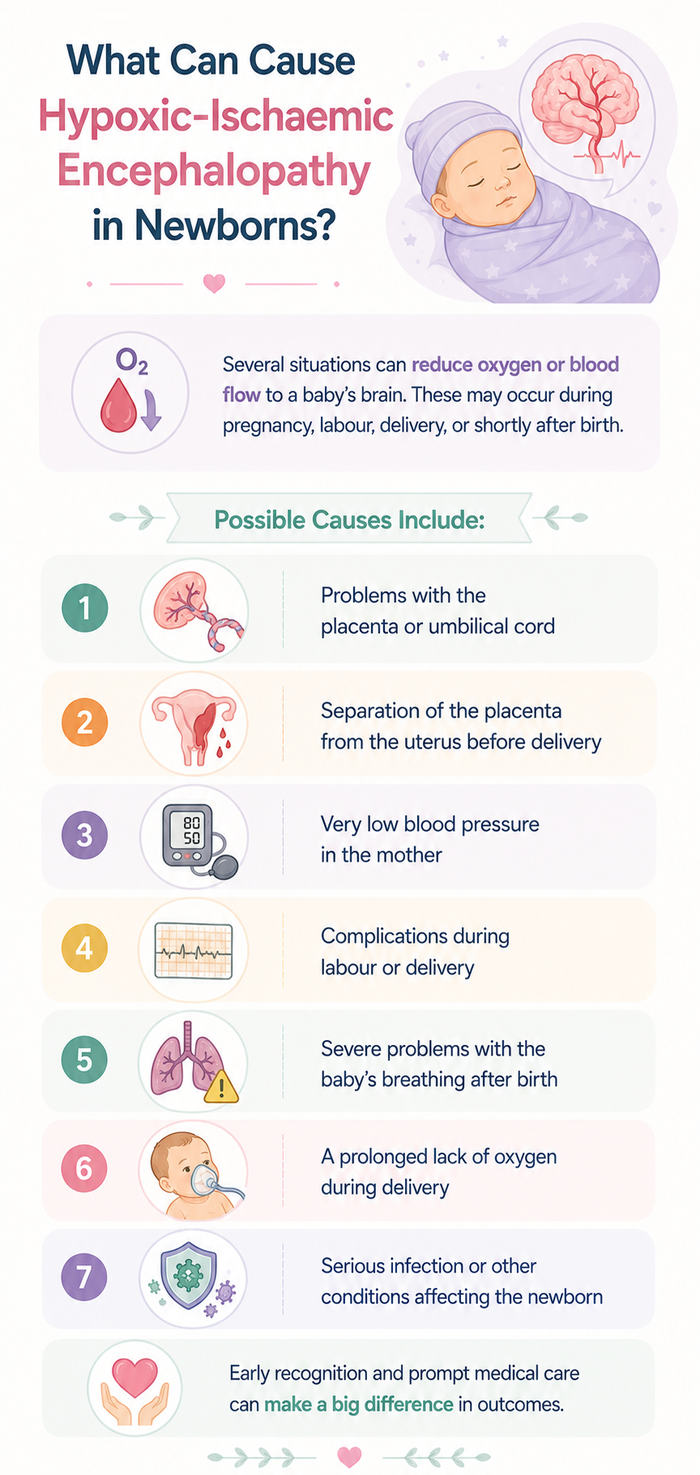
What Can Cause HIE in Newborns?
Several situations can reduce oxygen or blood flow to a baby’s brain. These may occur during pregnancy, labour, delivery, or shortly after birth.Possible causes include:
- Problems with the placenta or umbilical cord
- Separation of the placenta from the uterus before delivery
- Very low blood pressure in the mother
- Complications during labour or delivery
- Severe problems with the baby’s breathing after birth
- A prolonged lack of oxygen during delivery
- Serious infection or other conditions affecting the newborn
What Are the Signs of HIE?
The signs of HIE can vary depending on the extent of brain involvement.Doctors may look for:
- Floppy or weak muscles
- Breathing difficulties
- Trouble feeding or sucking
- Unusual sleepiness
- Irritability or unusual movements
- Changes in reflexes
- Seizures
- Changes in heart rate or blood pressure
How Do Doctors Diagnose HIE?
Doctors look at several things to understand whether a baby may have HIE.This may include:
- Checking what happened during pregnancy and delivery
- Looking at the baby’s breathing, movements, muscle tone, and reflexes
- Checking feeding and how alert the baby is
- Doing blood tests to check oxygen and acid levels
- Using an EEG to check brain activity and seizures
- Doing an MRI to look for areas of brain injury
How Is HIE Treated?
According to Dr Rajat Grover, Senior Consultant – Paediatrician and Neonatologist at Cloudnine Group of Hospitals, East Delhi, Patarganj“HIE is a medical emergency requiring specialised neonatal care. Prompt recognition, appropriate treatment and close developmental follow-up can make an important difference to a baby's recovery.”
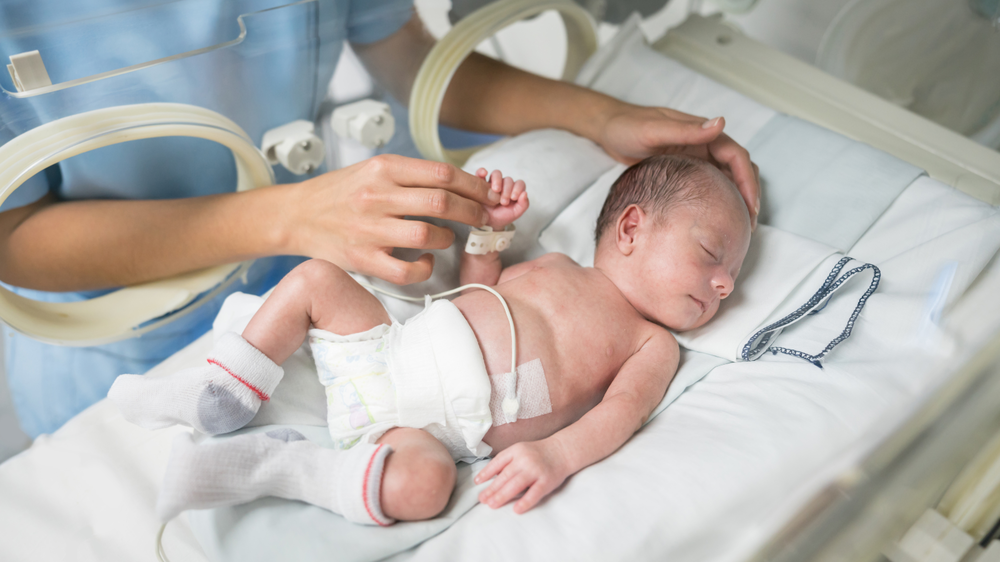
He explains that treatment depends on how unwell the baby is and how much the brain has been affected. Doctors may:
- Help the baby breathe if needed
- Keep blood pressure and blood sugar at safe levels
- Treat seizures
- Closely monitor the baby’s temperature and other vital signs
- Use therapeutic hypothermia (cooling treatment) for some babies with moderate-to-severe HIE
Can Babies Recover From HIE?
Every baby’s recovery from HIE is different. Some babies recover well, while others may need extra support as they grow. The outlook depends on the severity of the brain injury and the baby’s progress. Regular developmental check-ups help doctors identify any concerns early and provide the right support when needed.When to Talk to a Doctor
Talk to your doctor if your baby has:- Trouble breathing or feeding
- Unusual sleepiness or difficulty waking
- Seizures or unusual movements
- Poor muscle tone or weakness
- Delays in movement or development
- Any sudden change in behaviour or alertness
Whether you’re pregnant, a new mom, or navigating postpartum, you don’t have to do it alone. Join our support group to connect, share, and support one another.
FAQs on What Is Hypoxic-Ischaemic Encephalopathy in Newborns?
- Can HIE be seen immediately after birth?
Not always. Some babies show clear problems soon after delivery, while others develop noticeable changes later. This is why doctors may continue observing babies after a difficult birth. - Does HIE always cause permanent brain damage?
No. The outcome depends on the severity of the condition and how the baby responds to treatment. Some children develop normally, while others may need ongoing developmental support. - Can HIE happen before labour begins?
Yes. Reduced oxygen or blood flow can sometimes occur before labour because of pregnancy or placental complications. Doctors may investigate the circumstances surrounding birth to understand what happened.