
In this article:
What Is Neonatal Hepatitis?
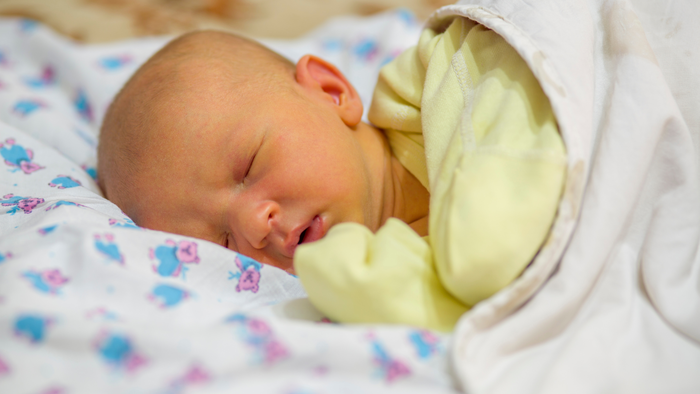
Neonatal hepatitis is inflammation of the liver in infants, usually occurring within the first three months of life. The liver plays an important role in digesting fats, removing toxins, storing nutrients, and producing proteins needed for growth.When the liver becomes inflamed, it cannot filter bilirubin or process fats normally. This leads to jaundice, poor fat digestion, and slow weight gain. Neonatal hepatitis is different from viral hepatitis seen in older children or adults.
What Causes Neonatal Hepatitis?
Many conditions can lead to neonatal hepatitis. The most common causes include:Viral infections: Some infections passed from the mother during pregnancy or acquired after birth can affect the baby's liver, including:
- Cytomegalovirus (CMV)
- Herpes simplex virus (HSV)
- Rubella
- Hepatitis B
- Hepatitis C
- Enteroviruses
- Alpha-1 antitrypsin deficiency
- Galactosaemia
- Tyrosinaemia
- Progressive familial intrahepatic cholestasis (PFIC)
Other causes:
- Sepsis (serious bacterial infection)
- Rare autoimmune conditions
- Unknown cause (idiopathic neonatal hepatitis)
What Are the Symptoms of Neonatal Hepatitis?
The symptoms usually appear within the first few weeks after birth.Common signs include:
- Jaundice lasting beyond two weeks in full-term babies or three weeks in a premature baby
- Yellow eyes and skin
- Dark yellow urine
- Pale, white, or clay-coloured stools
- Enlarged liver
- Swollen abdomen
- Poor feeding
- Slow weight gain
- Excessive sleepiness
- Irritability
How Is Neonatal Hepatitis Treated?
Treatment depends entirely on the underlying cause.Nutritional support: Many babies have difficulty absorbing fats. Doctors may recommend:
- High-calorie feeds (concentrated formula or added calorie booster)
- Medium-chain triglyceride (MCT) formula when needed
- Breastfeeding whenever possible, unless a metabolic disorder requires a different feeding plan
- Vitamin A
- Vitamin D
- Vitamin E
- Vitamin K
- Antiviral medicines for selected viral infections
- Antibiotics for bacterial infections
- Medicines to improve bile flow in appropriate cases
- Treatment for inherited metabolic disorders
When Should You See a Doctor
Many newborns develop physiological jaundice, which usually improves within the first two weeks. However, parents should seek medical advice if:- Jaundice lasts longer than two weeks
- Stools become pale or white
- Urine appears dark
- The baby is not feeding well
- Weight gain is poor
Whether you’re pregnant, a new mom, or navigating postpartum, you don’t have to do it alone. Join our support group to connect, share, and support one another.
FAQs on What is Neonatal Hepatitis? Causes, Symptoms, and Treatment
- Is neonatal hepatitis contagious?
Only when caused by a virus such as hepatitis B, which can pass from mother to baby during delivery. Idiopathic cases, which make up most cases, are not contagious - Can babies with neonatal hepatitis breastfeed?
In most cases, yes. Breastfeeding is encouraged unless the baby has a specific metabolic disorder where a special diet is required. Parents should follow their doctor's advice. - Can neonatal hepatitis be prevented?
Hepatitis B vaccination for the mother and timely infant immunisation at birth reduce the risk of viral transmission. Idiopathic cases cannot be prevented.