In this article:
Effects of Breast Cancer Treatment On Fertility
Different treatments can affect fertility in different ways.
| Treatment | Possible Effect on Fertility |
| Chemotherapy | May damage eggs in the ovaries |
| Hormone therapy | Can delay pregnancy for several years |
| Ovarian suppression therapy | Usually temporary but may affect menstrual cycles |
| Radiation near reproductive organs | May harm ovarian function in some cases |
| Surgery for breast cancer | Usually does not directly affect fertility |
The degree of fertility loss varies from person to person.
How May Chemotherapy Affect Your Fertility?
Chemotherapy is the treatment most commonly linked with infertility.
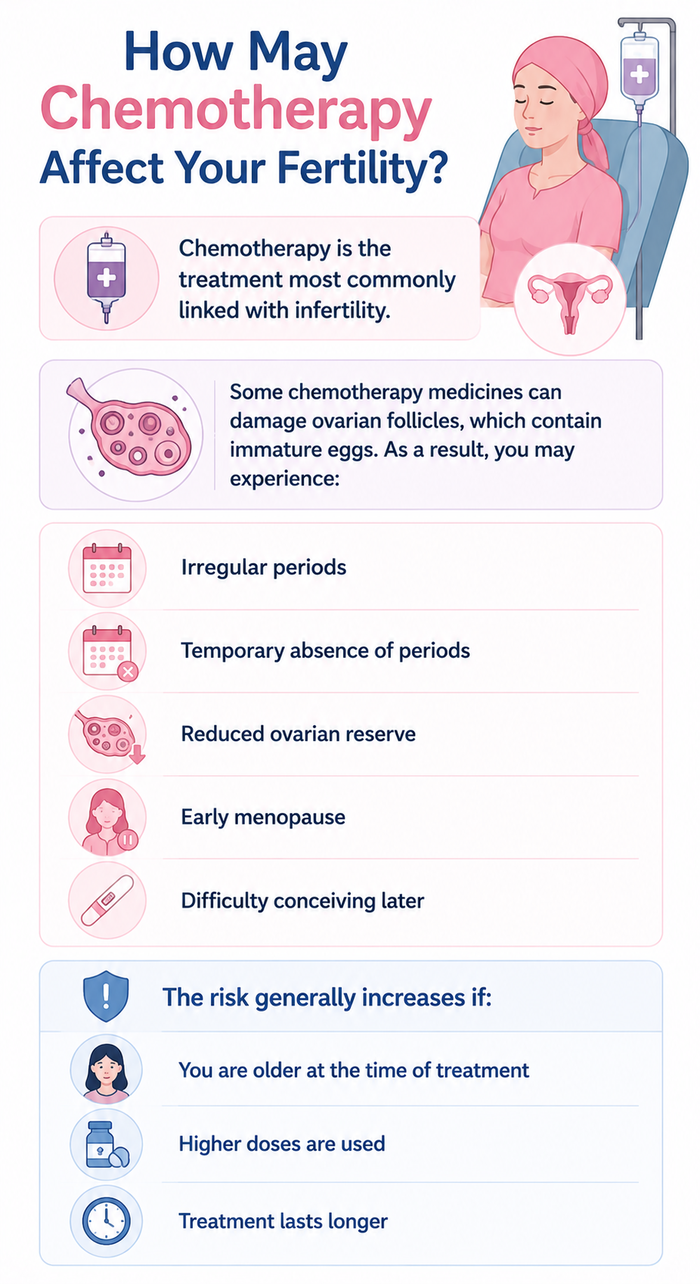
Some chemotherapy medicines can damage ovarian follicles, which contain immature eggs. As a result, you may experience:
- Irregular periods
- Temporary absence of periods
- Reduced ovarian reserve
- Early menopause
- Difficulty conceiving later
- You are older at the time of treatment
- Higher doses are used
- Treatment lasts longer
How May Hormone Therapy Affect Your Ability To Get Pregnant?
Many breast cancers are hormone-sensitive. In such cases, hormone therapy may be recommended for several years after treatment. This treatment does not usually destroy eggs. However, it may delay pregnancy because conception is generally avoided during treatment. As a result, your fertility may naturally decline with age before you complete therapy.
Can Fertility Changes Reverse With Time?
Some people regain normal menstrual cycles after treatment. Even if your periods return, fertility may not be the same as before treatment.
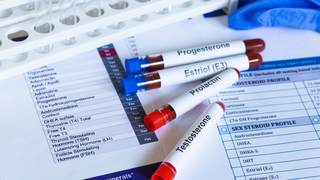
Fertility testing can help assess your ovarian reserve more accurately. Your fertility specialist may recommend tests such as:
- Anti-Müllerian Hormone (AMH) testing
- Antral follicle count (AFC) ultrasound
- Other ovarian reserve assessments
Fertility Changes That You May Observe After Treatment
The following are the signs that indicate your reproductive health:
| Signs | What Does It Indicate |
| Periods return within months | Ovarian function may have recovered, but fertility should still be assessed |
| Periods become irregular | Ovarian reserve may be reduced |
| Periods stop temporarily | Reproductive health may improve over time |
| Menopause occurs early | Natural conception may become difficult or unlikely |
| Normal periods continue during recovery | Fertility may still be lower than before treatment |
| Low AMH or AFC results | Reduced egg reserve, even if menstrual cycles are regular |
Factors That Affect Your Reproductive Recovery After Breast Cancer Treatment
The likelihood of recovery depends on:
- Your age at the time of treatment
- Your ovarian reserve before treatment
- The type and dose of treatment received
- The length of treatment
What Fertility Preservation Options Are Available?
If possible, discuss fertility preservation before starting cancer treatment.
Common options include:
Egg Freezing
- Mature eggs are collected and frozen
- Suitable if you wish to preserve fertility for future use
Embryo Freezing
- Eggs are fertilised and frozen as embryos
- Often offers good future pregnancy rates
Ovarian Tissue Freezing
- A small piece of ovarian tissue is preserved
- May be considered in selected situations
When Should You Discuss Fertility With Your Doctor?
Early discussions provide more opportunities to protect fertility.
Consider asking about:
- Your individual infertility risk
- Fertility preservation options
- Expected treatment timeline
- Future pregnancy planning
- Fertility testing after treatment
You’re not alone in your journey when trying to conceive. Join our supportive community to connect with others, share experiences, and find encouragement every step of the way.
FAQs on Can Breast Cancer Treatment Cause Infertility?
- Can you get pregnant after breast cancer treatment?
Many people conceive naturally after treatment. However, age and the treatments you received may reduce your fertility. - Does breast cancer treatment always cause infertility?
Some people experience temporary fertility changes, while others may retain normal reproductive function after treatment. - Is egg freezing recommended before chemotherapy?
For many patients, egg freezing is one of the most established fertility preservation options.