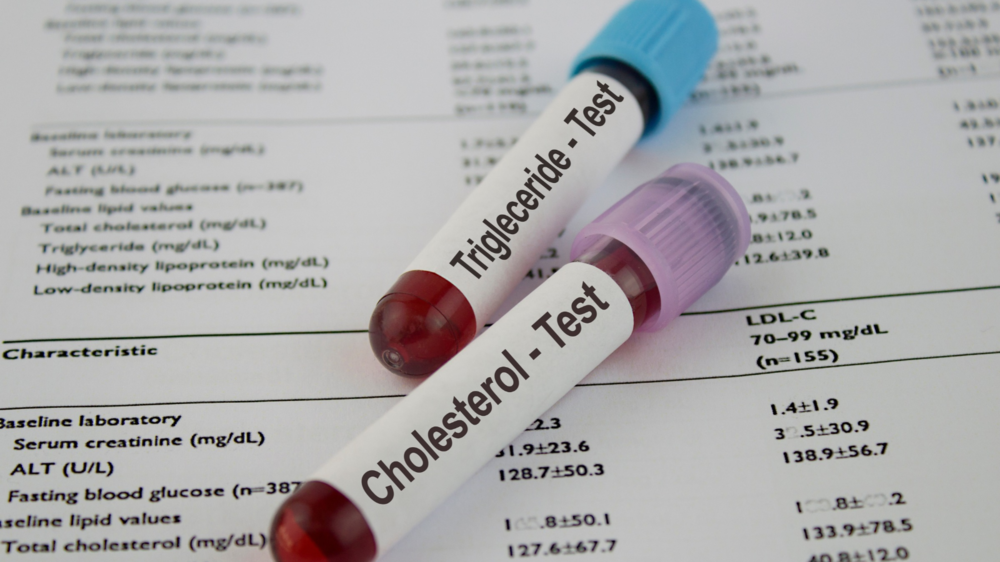
High triglycerides do not automatically mean a woman will have difficulty conceiving. We spoke with Dr Anjali Kumar, Director – Obstetrics & Gynaecology at CK Birla Hospital, Gurugram, to understand how high triglyceride levels may affect female fertility, ovarian function, and egg quality, and why maintaining healthy lipid levels matters for reproductive health.
What Are Triglycerides?
Triglycerides are a type of fat found in the blood. The body uses them for energy, and it stores extra calories as triglycerides for later use.After eating, the body converts some calories it doesn't need right away into triglycerides. A blood test can measure their level.
Triglycerides may rise for several reasons, including eating more calories than the body uses, having diabetes that is not well controlled, drinking alcohol, taking certain medicines or having an inherited tendency.
Signs of High Triglycerides
High triglycerides usually cause no noticeable symptoms, so a blood test is often the only way to find out.- Most people do not notice any symptoms.
- Very high levels can sometimes cause severe upper abdominal pain.
- Nausea or vomiting with severe abdominal pain needs urgent medical attention.
How Are Triglycerides Connected to Female Fertility?
High triglycerides are not known to directly cause infertility on their own. However, they can occur alongside health conditions that may affect reproductive function.For example, insulin resistance can make it harder for the body to use insulin effectively. It is also common in some women with PCOS. These metabolic changes may be associated with irregular ovulation, which can make it harder to predict the most fertile days.
Triglyceride levels are therefore best understood as one part of overall metabolic health, not as a stand-alone measure of fertility.
Can High Triglycerides Affect Egg Quality?
No simple blood test can tell whether high triglycerides have affected a woman’s eggs.Egg development depends on several factors, including age, hormones, ovarian function and general health. Metabolic conditions such as insulin resistance may also affect reproductive health, but a high triglyceride result alone cannot show that egg quality is poor.
If your triglycerides are high, it does not mean that your eggs are damaged or that you cannot get pregnant. Your doctor can assess your fertility concerns using your menstrual history, symptoms and any tests that are appropriate for you.
How Are High Triglycerides Diagnosed?
A lipid profile blood test measures triglycerides and cholesterol.“Women planning pregnancy, especially those with PCOS, diabetes or metabolic syndrome, should discuss lipid profile testing with their doctor. Identifying abnormal triglyceride levels early can help guide appropriate metabolic and reproductive health management.”
- Dr Anjali Kumar, Director – Obstetrics & Gynaecology at CK Birla Hospital, Gurugram
- Your doctor may check your triglyceride result and compare it with the recommended range.
- They may review your medicines, eating habits, alcohol intake and family history.
- They may also check for related conditions, such as high blood sugar or thyroid problems.
Can Lowering Triglycerides Improve Your Chances of Pregnancy?
Lowering triglycerides supports overall health, but it does not guarantee better egg quality or a better chance of pregnancy. Your doctor can help identify the cause and recommend treatment.- Follow your doctor’s advice about medicines, especially when trying to conceive.
- Eat balanced meals and limit sugary drinks, sweets and highly processed foods.
- Stay active and attend follow-up blood tests.
- Seek prompt care for very high triglycerides, which can increase the risk of pancreatitis.
When Should You See a Doctor?
Talk to your doctor if you have high triglycerides and are planning a pregnancy, or if you also have:- Irregular or missed periods
- PCOS or symptoms that may suggest a hormonal imbalance
- High blood sugar or known insulin resistance
- Difficulty conceiving
- A family history of very high triglycerides or early heart disease
FAQs on High Triglycerides and Their Possible Effects on Female Fertility and Egg Quality
- Can high triglycerides prevent pregnancy?
High triglycerides alone are not known to prevent pregnancy. They may occur alongside conditions that can affect ovulation, so your doctor may review your overall metabolic and reproductive health. - Can I have high triglycerides if my periods are regular?
Yes. Regular periods do not confirm that triglycerides are within the normal range. A blood test is needed to measure them. - Should I lower my triglycerides before trying to conceive?
Discuss your results with your doctor, especially if the level is very high or you have other health conditions. They can advise on a safe plan before pregnancy.