In this article:
Now, the question arises: Why does an embryo sometimes fail to implant even when everything seems right? What exactly happens inside the uterus during these early days?
Let’s discuss how the embryo attaches to the uterine lining.
What Is Implantation?
Implantation is the process by which a fertilised embryo attaches itself to the lining of the uterus. This usually happens about 6 to 10 days after fertilisation, when the embryo reaches the uterus at the blastocyst stage. At this point, the embryo needs a stable place to attach so it can receive oxygen and nutrients from the mother’s body. Without implantation, the body cannot recognise or support a pregnancy.
During implantation, the embryo interacts closely with the uterine lining, also called the endometrium. Hormones, especially progesterone, prepare this lining to become thick, soft, and rich in blood vessels. Once the embryo attaches, the body begins producing pregnancy hormones, including hCG, which help maintain the uterine lining and prevent the next menstrual cycle.
What are the Implantation Symptoms?
Some people notice subtle changes around implantation, while others feel nothing. Here are the possible signs:
- Light spotting (implantation bleeding)
- Mild cramping
- Breast tenderness
- Fatigue
Note: These symptoms vary widely and do not occur in every pregnancy.
Why is Implantation Important?
Implantation determines whether a pregnancy can continue. Even when fertilisation occurs successfully, the body cannot support a pregnancy until the embryo attaches to the uterine lining. Implantation allows the embryo to receive oxygen, nutrients, and hormonal support from the mother. Without this connection, the embryo cannot survive, and the body naturally sheds it during the next menstrual cycle, often without the woman ever knowing she was briefly pregnant.
Successful implantation also triggers vital hormonal changes in the body. Once the embryo embeds into the uterus, it signals the release of human chorionic gonadotropin (hCG), which helps maintain the uterine lining and prevents menstruation. This hormone supports placental development and protects the early pregnancy during its most fragile stage.
How the Embryo Attaches to the Uterus
Implantation occurs through a carefully coordinated sequence of events that allows the embryo to secure itself within the uterine lining. This process involves close communication between the embryo and the uterus and progresses through three distinct stages, each essential for establishing a healthy pregnancy.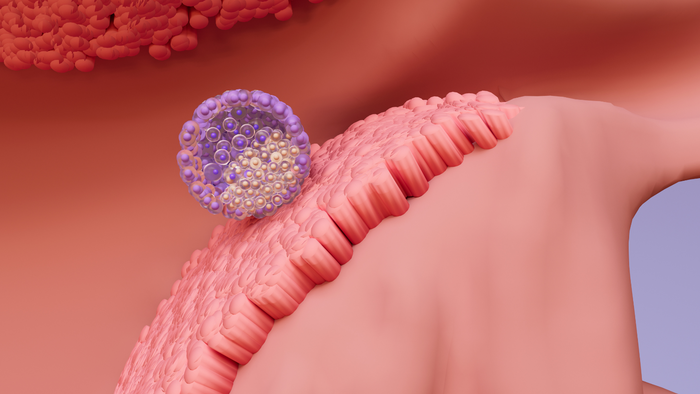
Apposition
During the first stage, the blastocyst reaches the uterus and gently comes into contact with the uterine lining. At this point, the attachment remains loose and temporary. The embryo positions itself carefully, often near areas of the endometrium with a rich blood supply. This initial contact allows the embryo to assess whether the uterine environment can support further development. Proper alignment at this stage is crucial, as it prepares the embryo for stronger attachment in the next phase.
Adhesion
Following apposition, the embryo forms a more stable connection with the uterine lining. Cells on the outer layer of the blastocyst interact directly with cells of the endometrium, creating a firm attachment. This interaction anchors the embryo in place and prevents it from being displaced. As this attachment strengthens, the uterus begins recognising the embryo as part of the body, signalling the transition from a temporary presence to an established pregnancy.
Invasion
In the final stage, the embryo embeds itself more deeply into the uterine lining. Specialised outer cells, known as trophoblast cells, grow into the endometrium and start forming the placenta. This step allows the embryo to access nutrients and oxygen from the mother’s blood supply. At the same time, the body begins producing human chorionic gonadotropin (hCG), the hormone that supports early pregnancy and, through pregnancy testing, confirms implantation.
What to Do Next?
Steps you can follow next:- Follow medical advice and attend early appointments
- Maintain a balanced diet and stay hydrated
- Avoid smoking, alcohol, and unnecessary medications
- Manage stress gently and prioritise rest
- Speak openly with your doctor if you have concerns
The attachment of the embryo to the uterus is a quiet but powerful moment in early pregnancy. It requires precise timing, healthy cells, and a supportive uterine environment. Although this process happens beyond awareness, it plays a vital role in determining whether pregnancy can continue. Understanding implantation helps replace uncertainty with knowledge and reminds us how carefully the body supports the earliest stages of life.
You’re not alone in your journey when trying to conceive. Join our supportive community to connect with others, share experiences, and find encouragement every step of the way.
FAQs on How Does the Embryo Attach to the Uterus During Early Pregnancy
- Can implantation fail even if the embryo is healthy?
Yes. Timing and uterine receptivity also play essential roles. - Does implantation always cause bleeding?
No. Many people do not experience any bleeding. - Is implantation painful?
Most people feel no pain, though mild cramping can occur.