In this article:
What is the Microbiome, and Why Does it Matter for Fertility?
The microbiome comprises colonies of bacteria, fungi and other microorganisms living in your gut, vagina and other parts of the body. These microbes influence inflammation, hormone metabolism and immune function—all of which affect reproductive health.A comprehensive review by the FIGO Reproductive Endocrinology and Infertility Committee noted that an optimised maternal microbiome (particularly one dominated by protective Lactobacillus species) is associated with improved conception rates and fewer pregnancy complications, such as miscarriage and preterm birth.
The gut microbiome also helps regulate oestrogen. When there is an imbalance in the gut ecosystem or if the number of beneficial bacteria declines, circulating hormone levels can be affected. This can disrupt ovulation, embryo implantation, or conception.
How Diet Shapes Your Gut and Vaginal Microbiome
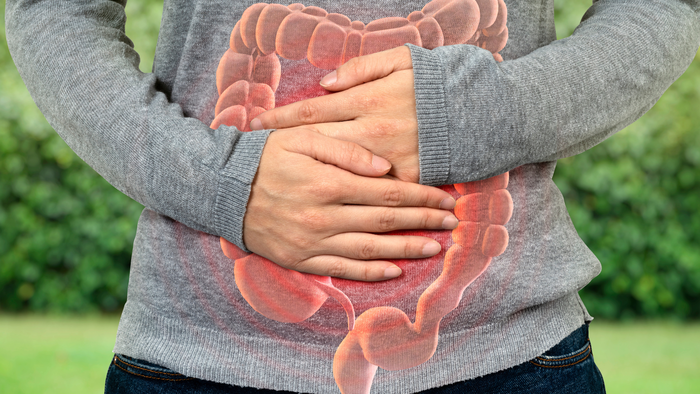
What you eat has a direct impact on which bacteria thrive inside you. Diets high in ultra-processed foods, refined sugar and trans fats tend to encourage inflammation-promoting bacteria, while fibre-rich, whole-food diets support beneficial strains. A Mediterranean diet – rich in vegetables, legumes, whole grains, nuts and healthy fats- has been associated with improved ovulatory function and better fertility treatment outcomes.In Indian households, such foods are already included in our daily meals, such as dals, seasonal vegetables, whole grains like jowar and bajra, curd, and ghee or mustard oil (in moderation). Remember to curb fried snacks and sugary beverages. Fermented foods such as curd, idli and dosa batter naturally introduce beneficial bacteria. These can act as replacements for yoghurt or kefir in Western diets.
6 Practical Lifestyle Habits to Nurture Your Fertility Microbiome
Here are five safe, daily habits that can help you optimise your internal ecosystem:1. Increase your daily intake of dietary fibres
Beneficial gut bacteria thrive on complex plant fibres, often called prebiotics. Incorporating a wide variety of whole grains, lentils, leafy greens, apples, and flaxseeds into your everyday diet provides the essential nourishment your microbes need to produce short-chain fatty acids. These compounds reduce systemic inflammation and support reproductive health, improving chances for conception.
2. Include traditional fermented foods in your meals
Naturally fermented foods introduce live, friendly bacterial strains directly into your digestive tract. Include fresh, homemade curd, buttermilk (chaas), or fermented rice preparations into your daily meals to help sustain microbial diversity.
3. Consistent exercise and sleep
Regular moderate exercise supports a healthier balance of gut bacteria and improves insulin sensitivity. This, in turn, improves chances for conception, especially in women with PCOS.
Poor sleep disrupts both hormones and microbial balance. Simple steps such as a consistent sleep schedule, daily walks and yoga or breathing exercises can help maintain a healthy body weight and support a favourable internal environment for conception.
4. Practice intimate hygiene and avoid harsh products
Many women unknowingly disrupt their reproductive microbiome by using aggressive intimate washes, scented soaps or douching products. These harsh chemicals strip away protective Lactobacillus populations and alter your natural pH balance. Stick to washing internal areas with plain, warm water and wear breathable cotton underwear to maintain optimal airflow.
5. Manage stress
Chronic mental or physical stress triggers the release of cortisol, compromising the beneficial bacterial colonies residing in your digestive and reproductive tracts. Engaging in daily restorative practices like gentle yoga, deep breathing exercises, or regular evening walks can relieve stress and improve your gut microbiome.
6. Use antibiotics only under medical guidance
Antibiotics can wipe out vast populations of beneficial bacteria alongside harmful ones. Never take antimicrobial drugs without a prescription and always complete prescribed courses under your doctor's supervision. You may also ask your gynaecologist about incorporating appropriate prebiotics into your diet. Your doctor may also prescribe targeted probiotics based on your pre-conception challenges.
When to See a Doctor
Lifestyle changes support fertility but cannot replace medical evaluation. If you have been trying to conceive for over a year (or six months if you are above 35), or have symptoms like irregular periods, recurrent infections or pelvic pain, consult a gynaecologist for appropriate medical testing and guidance.Improving your microbiome will not guarantee pregnancy, but growing evidence suggests it can meaningfully improve the environment in which conception and implantation take place. Small, consistent changes to diet, activity and stress management can enhance your health and fertility.
You’re not alone in your journey when trying to conceive. Join our supportive community to connect with others, share experiences, and find encouragement every step of the way.
FAQs on How to Support Your Gut and Vaginal Microbiome Before Pregnancy
- Can improving gut health help me get pregnant?
Improving gut health can improve your overall health, but it cannot guarantee pregnancy. A balanced microbiome supports hormone regulation and reduces inflammation, both of which favour conception. - Are probiotic supplements necessary for fertility?
Not always. A varied, fibre-rich diet with natural fermented foods is usually sufficient unless a doctor identifies a specific imbalance. Do not use probiotic supplements without a doctor’s prescription.