What Causes Ovulation Spotting?
Ovulation spotting refers to light bleeding or spotting that takes place when an egg is released from your ovary. This usually happens about halfway through your period, around day 14, if you have a 28-day cycle, though it can be different for everyone.
Not every individual experiences ovulation spotting. Studies have found that only 5 to 10 per cent of women notice it, so it can be unexpected.
Why Does Ovulation Spotting Take Place?
Hormonal Issues
Your oestrogen levels suddenly increase before ovulation and then suddenly drop once your egg is released. This rapid shift can cause the uterine lining to shed in a small amount, leading to light spotting.Egg Release
The mechanism of releasing an egg from the ovary can sometimes irritate adjoining blood vessels. This minor irritation may result in light spotting.What Do You Mean By Implantation Bleeding?
After 6 to 10 days of ovulation, implantation bleeding takes place when a fertilised egg attaches to the lining of your uterus. You might usually expect your menstrual cycle to happen around this time.
Not everyone experiences this during pregnancy. Studies show it happens in only 20 to 30 per cent of early pregnancies.
What Contributes to Implantation Bleeding?
Egg Embedment
When the fertilised egg embeds in the uterine lining, it can cause some mild bleeding or spotting, disturbing small blood vessels.Early Pregnancy Changes
When you conceive for the first time, your body starts changing hormone levels to support the embryo. These changes can increase the sensitivity of the uterine wall, leading to spotting.When Does Ovulation Spotting Normally Take Place?
Ovulation spotting typically occurs mid-cycle, about 10 to 14 days after the first day of your last cycle. Your cycle length also contributes to this. It only lasts a few hours to a day, and lasts more than 48 hours in rare cases.When Does Implantation Bleeding Normally Take Place?
Implantation bleeding usually takes place a few days before your expected period, later in your cycle. This timing can leave you in confusion, as it might indicate an early or light period. Usually it lasts one to three days, and doesn’t get heavier.How Does the Colour and Flow Differ?
Ovulation Spotting Appearance
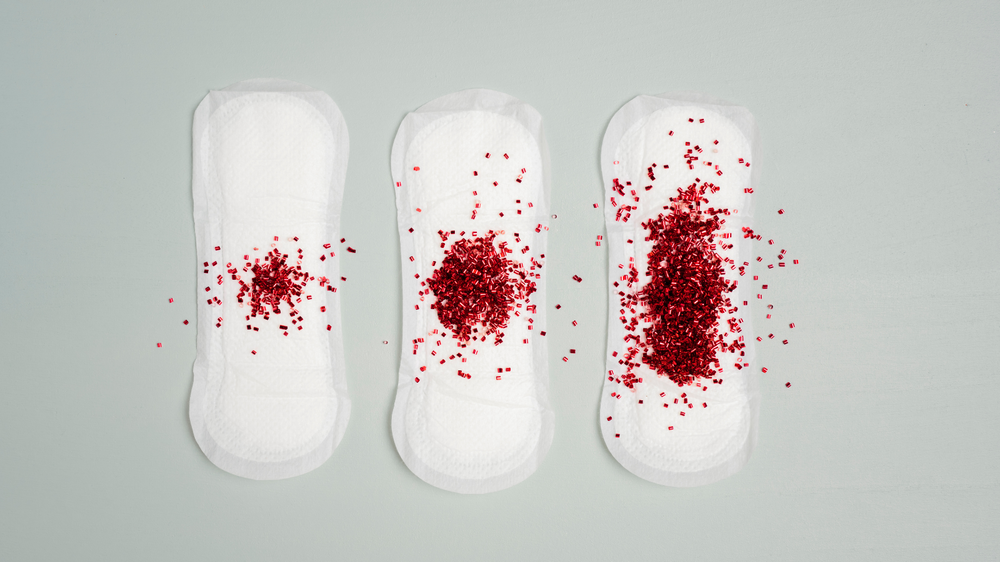
Ovulation spotting is usually:- Light pink or slightly red
- Very minimal in amount
- Not enough to soak a pad or tampon
Implantation Bleeding Appearance
Implantation bleeding is often:- Light pink, brown, or rust-coloured
- Spotty or streak-like
- Much lighter than a normal period
Are There Differences in Associated Symptoms?
Symptoms can offer helpful clues.Symptoms With Ovulation Spotting
You may notice:- Mild lower abdominal discomfort on one side
- Clear and stretchy cervical mucus in increased amounts
- Tenderness in the breasts
- Your libido increases momentarily
Implantation Bleeding Related Symptoms
You might experience:- Very mild cramping
- Tenderness in the breasts
- Fatigue
- Nausea or food aversions
- Heightened sense of smell
Can Both Occur Without Any Symptoms?
Yes. Some individuals notice spotting without any additional symptoms. Others may not experience spotting at all during ovulation or implantation. This variation is completely normal and does not indicate a problem.How Can Timing Help You Tell the Difference?
Timing is one of the most reliable ways to distinguish between the two.Spotting occurring mid-cycle that stops fast is more likely to be ovulation spotting. Spotting near your expected period that’s lighter than normal suggests implantation bleeding.
Tracking your cycles for a few months can bring clarity to this pattern.
Can You Confuse Implantation Bleeding With a Period?
Yes, many individuals confuse implantation bleeding with a light period. But unlike a real period, implantation bleeding doesn’t get heavier and tends to stop in a few days.When Should a Pregnancy Test Be Done?
If you think you’ve experienced implantation bleeding, wait five to seven days after it stops to do a test. Testing too soon might give a false negative since pregnancy hormone levels may still be low.When Should You Consult a Doctor?
- When you see your bleeding turning heavy or painful
- Spotting occurs frequently between periods
- Bleeding is accompanied by fever or foul-smelling discharge
- You experience severe lower abdominal pain
Emotional Impact
Experiencing unexpected bleeding can cause worry, sadness, or hope, especially if you’re trying to have a baby. It’s normal to feel upset during this time.Direct communication with your partner or doctor can assist you in dealing with these feelings and take the stress off your shoulders. Emotional support contributes to a healthy reproductive system.
What Are the Further Steps?
Here are some next steps to follow:- Keep a regular track of your cycles
- Monitor the type of spotting
- Observe what other symptoms are involved
- Avoid early pregnancy testing
- If bleeding is unusual or concerning, seek medical help
You’re not alone in your journey when trying to conceive. Join our supportive community to connect with others, share experiences, and find encouragement every step of the way.
FAQs on Implantation Bleeding vs Ovulation Spotting: What’s the Difference?
- Can spotting similar to ovulation or implantation bleeding happen due to stress?
Yes. Stress can occasionally lead to unexpected spotting, disrupting hormonal balance. - Is implantation bleeding a reliable sign of pregnancy?
No. Though it can occur in early pregnancy, it doesn’t happen to every pregnant individual. - Does every cycle cause ovulation spotting?
Ovulation spotting shouldn’t take place every month. However, everyone’s body follows a different pattern.