In this article:
This guide is here to help you understand what electrophoresis really is, why you might need it during pregnancy, and what the results could mean. Most importantly, it’s written with your peace of mind in mind.
What is Electrophoresis?
Pregnancy brings with it a long list of tests, some routine, some based on your medical history. One of those tests might be something called haemoglobin electrophoresis.Let’s break it down.
Electrophoresis is a lab test that helps doctors look at certain proteins in your blood. In pregnancy, it’s usually done to check the type of haemoglobin (the protein in your red blood cells that carries oxygen). This is important because some types of haemoglobin can indicate a blood disorder, like thalassemia or sickle cell disease, that can affect your baby.
The test is non-invasive, uses a small blood sample, and is completely safe during pregnancy.
What Happens During the Test?
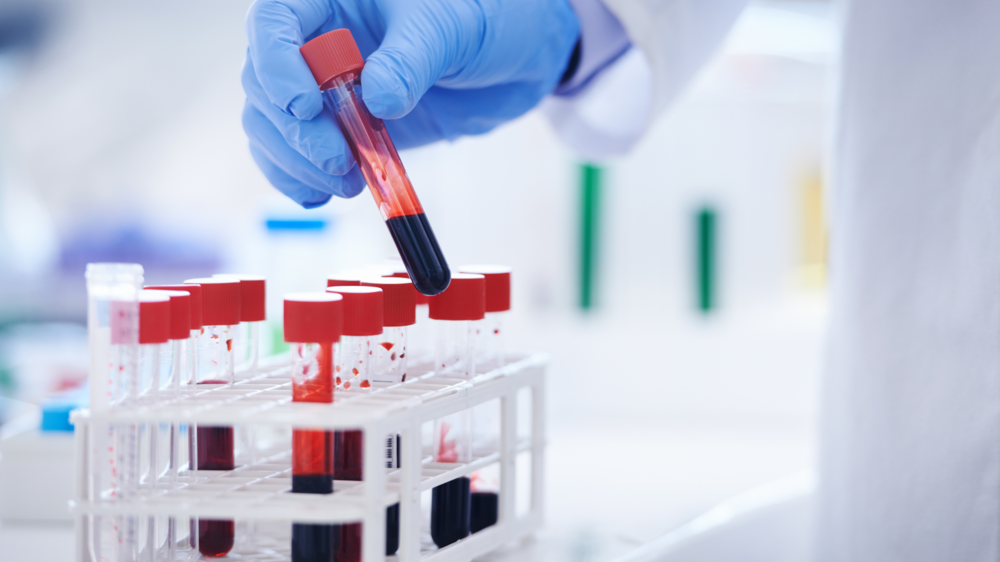
The process is quite simple from your end. Here’s what you can expect:- Blood Sample Collection – Just like any other routine blood test, a small amount of blood is drawn from your arm.
- Lab Work Behind the Scenes – In the lab, technicians use a method called electrophoresis to separate the haemoglobin types in your blood. This helps identify any unusual types.
- Results – The report will mention different types of haemoglobin (like HbA, HbF, HbS, HbC, etc.), and your doctor will explain what it means for you and your baby.
Why Is This Test Important During Pregnancy?
Even if you feel perfectly healthy, you could be a carrier of a blood condition without knowing it. This test helps detect that early on.Here’s why it matters:
- If you’re a carrier of thalassemia or sickle cell, and your partner is too, there’s a chance your baby could inherit the condition.
- Early detection allows your healthcare team to plan ahead, monitor the baby more closely, or suggest further testing if needed.
- In most cases, the results simply give peace of mind—everything is fine and no further steps are required.
Understanding the Results
When you get your report, you might see names like:- HbA (Haemoglobin A) – The most common, normal adult haemoglobin.
- HbF (Foetal Haemoglobin) – Often present in babies or during pregnancy.
- HbS – Suggests sickle cell trait or disease.
- HbC, HbE, HbD, etc. – Other types seen in different populations.
The good news? Just being a carrier doesn’t mean your baby will be affected. It just helps your care team make informed choices.
Is Electrophoresis Safe During Pregnancy?
Yes. Absolutely. It’s just a blood test, no scans, no medication, no radiation. You don’t need to fast, and there are no side effects to worry about.If you're feeling anxious about it, remember that it’s just one of many tools doctors use to ensure both you and your baby stay healthy.
When Is This Test Usually Done?
Your doctor might suggest this test:- If you or your partner belongs to a region or ethnic group where blood disorders like thalassemia or sickle cell disease are common.
- If you’ve had unexplained anaemia during pregnancy.
- If there’s a family history of blood disorders.
- As part of routine early pregnancy screening in some hospitals.
What Happens If a Blood Disorder Is Detected?
If your test shows that you carry a gene for a blood disorder, your doctor may:- Recommend a test for your partner.
- Suggest further prenatal testing (only if both parents are carriers).
- Offer genetic counselling to explain everything clearly.
Electrophoresis may sound like a complicated term, but its purpose, especially during pregnancy, is quite straightforward. It helps detect certain blood disorders like thalassemia or sickle cell disease that can be passed on to your baby. The test itself is simple and safe, and the information it provides can be incredibly valuable for making informed decisions. If your doctor recommends it, take the time to understand why. Knowing what to expect and how it impacts your pregnancy can bring clarity and peace of mind. Remember, it’s not just about your health, but also giving your baby the healthiest possible start.
FAQs on Ultimate Guide to Electrophoresis Outcomes
- Will electrophoresis hurt?
Not really. Electrophoresis itself is done on a blood sample, so the only discomfort you might feel is from the blood draw, just like any routine test during pregnancy. The procedure is quick, and most individuals describe it as a brief pinch that's over within seconds. - What if my results are abnormal?
Don’t panic. Many individuals discover they are carriers of certain genetic traits without ever having symptoms themselves. An abnormal result doesn’t necessarily mean your baby will have a condition. Your doctor will usually recommend further testing, possibly involving your partner, to understand the bigger picture. - Can I refuse the test?
Yes, you absolutely have the right to decline any test. However, electrophoresis is a valuable screening tool that can help detect conditions early on, when you have the most time to make decisions. If you have any concerns, it's a good idea to have an open conversation with your doctor.