Sometimes, this number grows abruptly, causing infections in your genital tract. The infection is harmless in most cases; however, for immunocompromised individuals, this may not be the case. However, when you ignore the signs for too long, it may also lead to infertility issues, persistent urinary infections, or pregnancy complications. Although Ureaplasma is not the direct cause, it may contribute to the risk of other medical issues.
What is Ureaplasma?
Ureaplasma belongs to the class of Mycoplasma and affects reproductive health. Mycoplasmas are very tiny living cells that thrive in your body without you ever noticing their presence. They reproduce asexually, forming a colony of bacteria that may remain harmless in small numbers but can become problematic if they multiply excessively. The health risk arises when they overgrow. You and your partner may have Ureaplasma, which is transmitted through sexual contact. It is common for it to enter your body through your vagina or urethra. You can also pass it to your foetus when you are pregnant, but it goes away on its own. The risk is higher when you have a weak immune system.
Types and Causes of Ureaplasma
There are many types of mycoplasma bacteria, but most are harmless to you. The ones that cause health issues include:- Mycoplasma pneumoniae: This infection affects the lungs and spreads through droplets. Because of the infection, you may experience fatigue, headache, cough, and fever.
- Mycoplasma genitalium: A distinct species within the Mycoplasmataceae family, this bacterium affects the genitals and is usually transmitted through sexual contact.
- Mycoplasma hominis: It is more common for these bacteria to be present in women. You can pass them on to your developing baby in the uterus. It can also lead to various complications, resulting in either pre-term delivery or miscarriage.
- Ureaplasma urealyticum: You can get this infection through sexual contact, and also transfer it to your baby if you are pregnant.
Symptoms of Ureaplasma
You may be asymptomatic when Ureaplasma is in balance with other bacteria. However, overgrowth can lead to the following infections and their symptoms.- Bacterial vaginosis: The increased pH level of your vagina can lead to the growth of other harmful bacteria in your genital tract. You may notice pain or a burning sensation while urinating, a fishy-smelling discharge, or itchiness.
- Urethritis: Ureaplasma can cause an inflammatory condition in your urethra, known as urethritis. The common symptoms are a stinging sensation and unusual discharge.
- Other risks: You may get kidney stones or difficulty conceiving. If you are pregnant, you may be at risk of pre-term delivery or respiratory issues in your newborn baby.
Diagnosing Ureaplasma
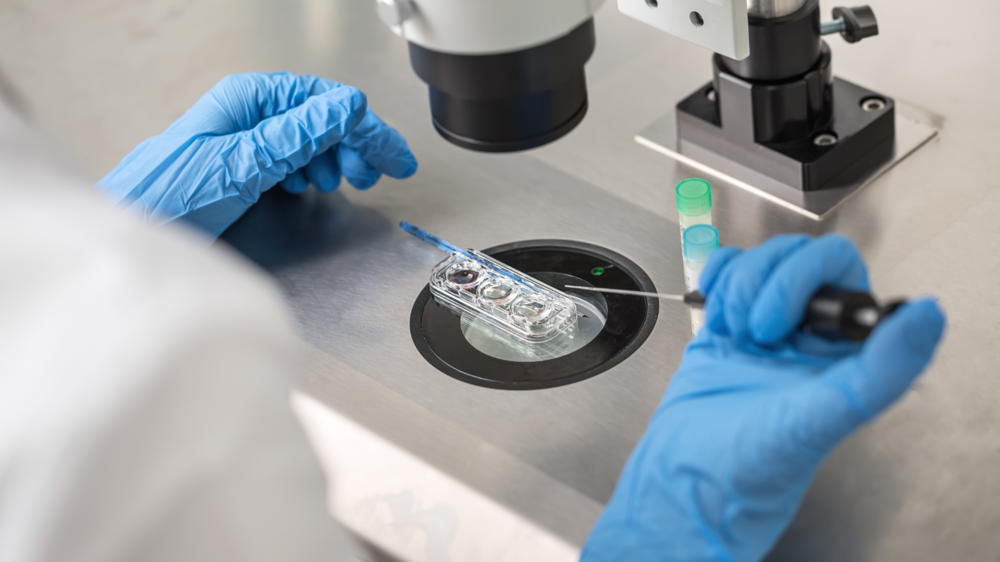
Your doctor cannot diagnose Ureaplasma with a regular test. The bacteria are too small to be visually identified, so Polymerase Chain Reaction (PCR) is mostly used for diagnosis. PCR is an accurate method of diagnosis because it detects the bacteria's genetic material.Your doctor may collect your vaginal, cervical or urethral swabs. You may also be asked for your urine samples to test for the presence of these bacteria.
Treatment of Ureaplasma
Like most bacterial infections, Ureaplasma is treatable with antibiotics. However, only a certain type of antibiotic works to kill these bacteria. This is challenging because these bacteria have no cell wall, and most antibiotics work by attacking the cell walls.Your doctor may prescribe a special antibiotic to treat Ureaplasma or Mycoplasma. The antibiotic is also prescribed based on your health conditions and whether you are pregnant or not. The common antibiotics include:
- Macrolide antibiotics such as azithromycin or erythromycin.
- Doxycycline, a form of tetracycline
Does Ureaplasma Affect Your Fertility?
Although there is no scientific evidence that Ureaplasma directly affects your fertility, it contributes to many factors relating to your reproductive health.When trying to conceive, it is ideal to get the necessary treatment for any ongoing medical conditions. Conceiving is possible when you are healthy and have no risk of infections that could harm you or your baby.
If you conceive after getting a Ureaplasma infection, it can lead to premature delivery and other pregnancy complications, such as:
- Rupture of the foetal membrane.
- May affect the placenta’s function or contribute to inflammation.
- Low birth weight in your baby.
- Early delivery of your baby.
- Infection in the amniotic sac.
How Can You Prevent Ureaplasma?
You can prevent Ureaplasma infection in your body. It is common when you are sexually active. So, practising safe sex using condoms may help prevent it.You can also get regular tests for any sexually transmitted infections (STIs) and get the treatment beforehand. Another way to prevent Ureaplasma is by maintaining your vagina’s pH balance. To support intimate health, practice good hygiene by gently washing the genital area with clean water. Avoid using harsh chemicals or soaps, as they can disrupt your pH balance. Even if you get the infection, remember that Ureaplasma can be treated by taking antibiotics.
Ureaplasma is commonly present in most people without causing any harm. You may have no visible symptoms and continue to live your life normally. However, when these bacteria overgrow, they can lead to various infections in your body, affecting your fertility. However, with the right antibiotics, you can get the treatment to help manage the symptoms. Treating the conditions before you conceive will lead to a healthy pregnancy in the future.
FAQs on Diagnosing and Treating Ureaplasma or Mycoplasma Infections Before Pregnancy
- How are Ureaplasma and Mycoplasma diagnosed?
To diagnose Mycoplasma, various samples from joint fluids, body fluids, urine samples or genital swabs are taken. - What are the first symptoms of Ureaplasma?
When you have a Ureaplasma infection, you may experience pain or discomfort while urinating and an unusual smell from the discharge. - Can Ureaplasma prevent pregnancy?
Ureaplasma is often undetected, but it can create unfavourable conditions in your uterus for pregnancy.