In this article:
What Is Vulvodynia?
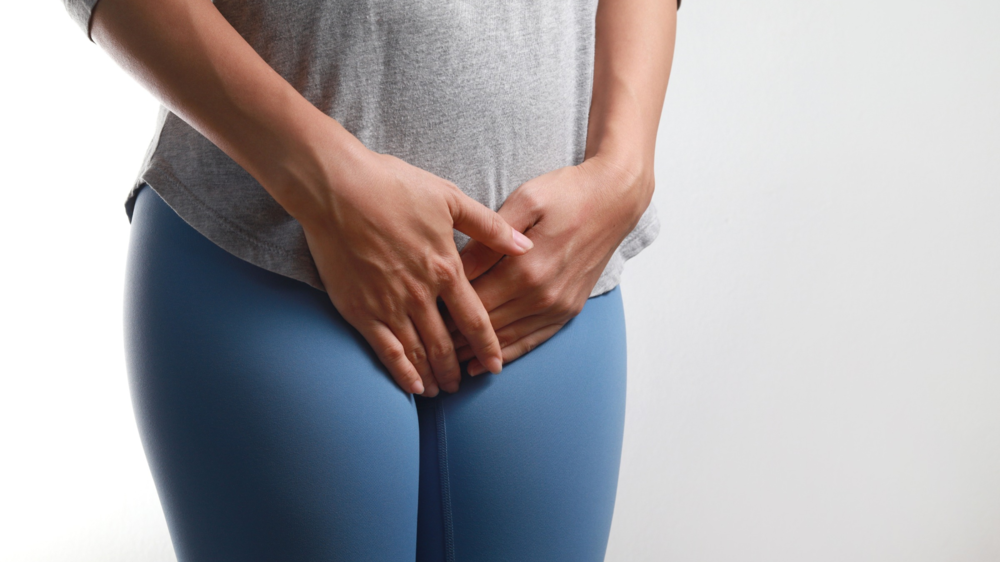
Vulvodynia is persistent pain or discomfort in the vulva, the external female genital area, lasting at least three months without a clearly identifiable cause. Vulvodynia may feel like burning, stinging, soreness, rawness, or sharp pain. It can occur without any visible skin changes.It is grouped by location and trigger:
- Localised: Pain in one spot, often the vestibule (the vaginal opening). This form is called vestibulodynia.
- Generalised: Pain in different areas of the vulva.
- Provoked: Pain starts with touch, such as intercourse, tampon use, a gynaecological swab, tight clothing, or long periods of sitting.
- Unprovoked: Pain occurs without any touch.
- Mixed: Combined patterns may occur.
What Causes Vulvodynia?
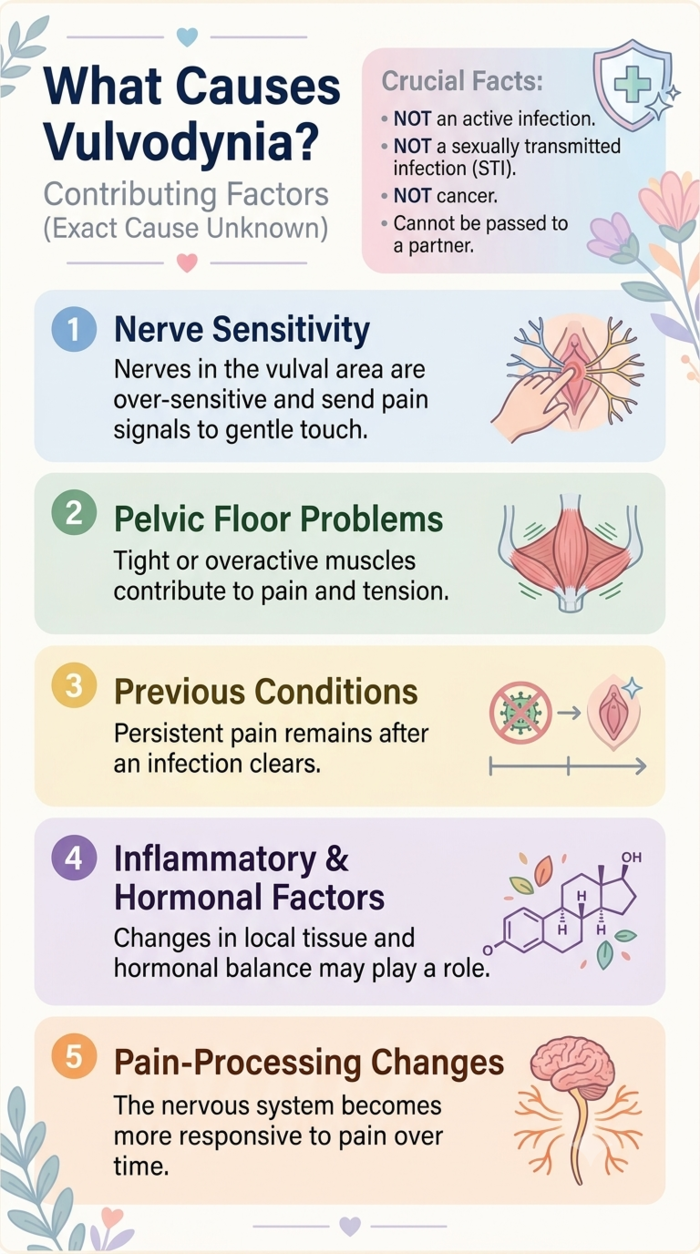
The exact cause is unknown. Research suggests that several factors may contribute to the condition, including:- Nerve sensitivity: Nerves in the vulval area may become unusually sensitive and send pain signals in response to gentle touch.
- Pelvic floor muscle problems: Tight or overactive pelvic floor muscles can contribute to pain around the vulva and vaginal opening.
- Previous infections or irritation: Some women develop persistent pain after an infection or repeated irritation, even when no active infection is present.
- Inflammatory or hormonal factors: Changes in local tissue sensitivity and hormonal conditions may play a role in some cases.
- Pain-processing changes: The nervous system may become more responsive to pain over time.
Why Can Vulvodynia Remain Undiagnosed for Years?
Vulvodynia can take time to diagnose because there is no single test that confirms it. The vulva may appear healthy, even when the nerves and surrounding tissues are highly sensitive.The symptoms can also resemble vaginal infections, contact dermatitis, skin disorders, or other causes of genital pain. Repeatedly treating suspected yeast infections without confirming the diagnosis may delay appropriate care.
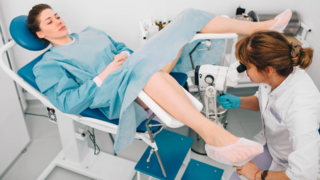
Doctors usually diagnose vulvodynia by reviewing the woman's symptoms and medical history, examining the vulva and ruling out other possible causes.
In a survey of 50 Australian women, the average gap between first symptoms and diagnosis was 5.8 years, and some women waited up to 32 years.
Vulvodynia is complex and may involve several factors, including nerve irritation, inflammation, pelvic-floor muscle dysfunction, hormonal factors, or previous infections. It is not simply “in the mind”, and the absence of visible abnormalities does not mean the pain is not real.
How Is Vulvodynia Diagnosed?
Doctors usually follow these steps:- History: Pain location, duration, triggers, and treatments already tried.
- Examination: A visual check of the vulva for skin conditions.
- Swab tests: To exclude yeast, bacterial, and other infections.
- Cotton swab test: Gentle pressure at points around the vestibule, with the woman rating pain at each point.
- Biopsy: Only if the skin looks abnormal.
How Is Vulvodynia Treated?
No single treatment works for everyone, and most women need a combination. Options include:- Topical anaesthetics: A doctor may recommend topical lidocaine to reduce pain in selected cases.
- Medicines for nerve pain: Certain prescription medicines that affect pain signalling may help some women.
- Pelvic floor physiotherapy: Specialised therapy can help relax tight pelvic floor muscles and improve muscle coordination.
- Psychological support: Pain-management strategies or counselling can help women cope with the effects of chronic pain.
- Surgery: Reserved for selected women with localised pain.
With an accurate diagnosis, personalised treatment and timely medical care, women living with vulvodynia can manage their symptoms and improve their quality of life.
Whether you’re pregnant, a new mom, or navigating postpartum, you don’t have to do it alone. Join our support group to connect, share, and support one another.
FAQs on Vulvodynia: Why Some Women Live With Unexplained Vulval Pain for Years
- Is vulvodynia an STD?
No. It is not caused by infection, is not sexually transmitted, and cannot be passed to a partner. - Can vulvodynia be cured?
A complete cure is not always possible, but symptoms can be managed. Many women improve with a combination of medicines, physiotherapy, and counselling. - Does vulvodynia affect pregnancy?
Vulvodynia typically does not affect fertility or the ability to carry a pregnancy.