In this article:
What Is Prolactin and Why Does It Matter?
Prolactin is a hormone released by the pituitary gland that is located at the base of your brain. It steadily surges during pregnancy, especially in the second and third trimesters. Most people know prolactin as the hormone that prepares the breast to produce milk, but it does more than that. Prolactin also interacts with reproductive tissues during pregnancy, including the uterus, to support a healthy implantation, blood flow, and immunity.
What Is the Role of Prolactin in Uterine Health During Pregnancy?
Hormonal factors
Prolactin interacts with progesterone to maintain the health of the uterine lining. This stability prevents the uterine lining from shedding too early in your body. It also reduces the chances of premature miscarriage.Cellular support
Prolactin nourishes the cells of the uterus and makes them receptive. This flexibility allows the uterus to gradually expand while keeping its strength.How Does Prolactin Contribute to Implantation and Early Pregnancy?
Implantation is one of the most vulnerable phases of pregnancy, when the embryo must stay firmly attached to the uterine wall after fertilisation is complete.Supporting endometrial readiness
Prolactin aids in the readiness of the inner lining of your uterus. Prolactin nourishes it with nutrients and blood vessels, which form a suitable environment for the embryo’s attachment and early development.Promoting blood vessel production
Your early pregnancy phase demands a healthy supply of blood. Prolactin aids in the production of new blood vessels, ensuring the growing embryo receives enough oxygen and nutrients.What Is the Role of Prolactin in Keeping Uterus Stable?
In later stages of pregnancy, your uterus needs to start expanding and to retain its firmness.
Uterine contractions
Prolactin facilitates the control of contractions of the uterus, primarily in the first and second trimesters. It also reduces the possibility of premature contractions occurring because it reduces excessive muscle activity.Tissue flexibility
Prolactin also aids tissue elasticity, and thus the uterus stretches without any complication. It facilitates the adaptation of tissues to enable them to increase gradually without losing strength.What Is the Role of Prolactin in Pregnancy & Immune Balance?
During pregnancy, your body’s immune system needs to strike a balance. It has to defend you against infections but also avoid rejecting the foetus.Changing the immune response
Prolactin helps control the immune cells in the uterus. This prevents too much swelling but continues to protect against harmful germs.Keeping the baby safe
Prolactin impacts immune tolerance, which aids your body’s acceptance of the developing baby, who carries genes from both parents.How Does Pregnancy Influence Prolactin Levels?
- Levels begin to surge in the initial stage of pregnancy to aid with implantation.
- Prolactin levels increase 10 to 20 times more than before conception, when you reach the middle phase.
- Prolactin peaks in the last trimester to support breastfeeding.
Can a Low Prolactin Level Put Pregnancy at Risk?
Having low prolactin when you are pregnant is not normal, but it can happen if you have certain health issues that affect the pituitary gland.What could happen
Low prolactin levels might affect how well the uterus is supported, how hormones interact, and milk production after giving birth. However, prolactin hardly works by itself, so doctors check it together with other hormones.Medical monitoring
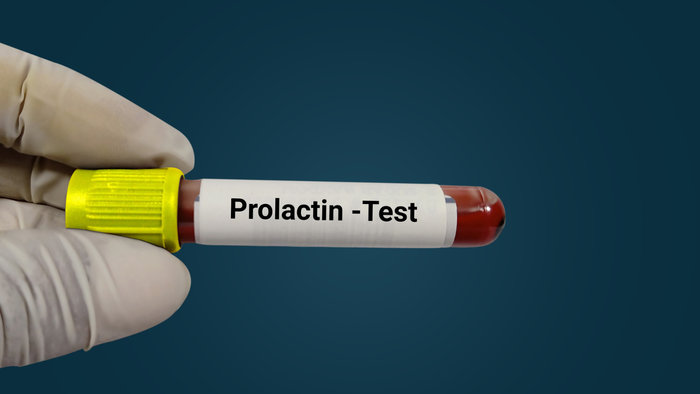
If doctors suspect a prolactin issue, they might suggest blood tests and scans to identify the cause and develop a treatment plan.Can Stress Affect Prolactin and Uterine Health?
Stress can contribute to hormonal disruption, including prolactin secretion.Impact of long-term stress
If you are stressed for a long time, it can impact the coordination of your brain and hormonal glands. This, in turn, can cause problems with prolactin levels and your uterine health.Mental health
Getting enough rest, having people to lean on, and practising deep breathing promote mental calmness, along with keeping your hormones in check and your uterus healthy.How to Keep Your Prolactin Levels in Check While Expecting?
While you cannot directly control prolactin, certain lifestyle choices can help keep your hormones in check.Diet & water intake
A wholesome diet rich in iron, protein, calcium, and vitamins is good for your endocrine system. Staying hydrated helps with blood flow and tissue function.Regular follow-ups
Going to your prenatal visits can help find any hormonal issues early, so you can have the right medical intervention.Social & Emotional Aspects
Hormones can influence how you feel physically, mentally, and emotionally. You can focus on self-recovery by understanding how hormones impact your physical and emotional health.
Open communication with your loved ones builds a solid support system. Feeling heard brings mental clarity, which, in turn, promotes better uterine and hormonal health.
What Alarming Signs Your Doctor Must Know?
- Miscarriage happening repeatedly
- Severe hormonal symptoms
- Persistent fatigue which doesn’t involve pregnancy
- Visual changes or severe headaches
What Should You Do Next?
- Attend all prenatal appointments
- Eat a balanced diet packed with nutrients
- Practice relaxation techniques to calm your mind
- Focus on sound sleep and frequent break sessions
- Follow medical advice about your hormonal profile
Being aware of this also means you will get prompt medical assistance, have better lifestyle choices, and feel emotionally secure.
Whether you’re pregnant, a new mom, or navigating postpartum, you don’t have to do it alone. Join our support group to connect, share, and support one another.
FAQs on How Prolactin Helps the Uterus Sustain a Healthy Pregnancy
- Is prolactin only important after childbirth?
No. Prolactin plays a significant role during pregnancy, particularly in uterine support and hormonal coordination. - Can prolactin levels be checked during pregnancy?
Yes. If a hormonal imbalance is suspected, blood tests can measure prolactin levels. - Does prolactin affect future fertility?
Normal prolactin levels support reproductive health. Imbalances must be medically evaluated without wasting time.