In this article:
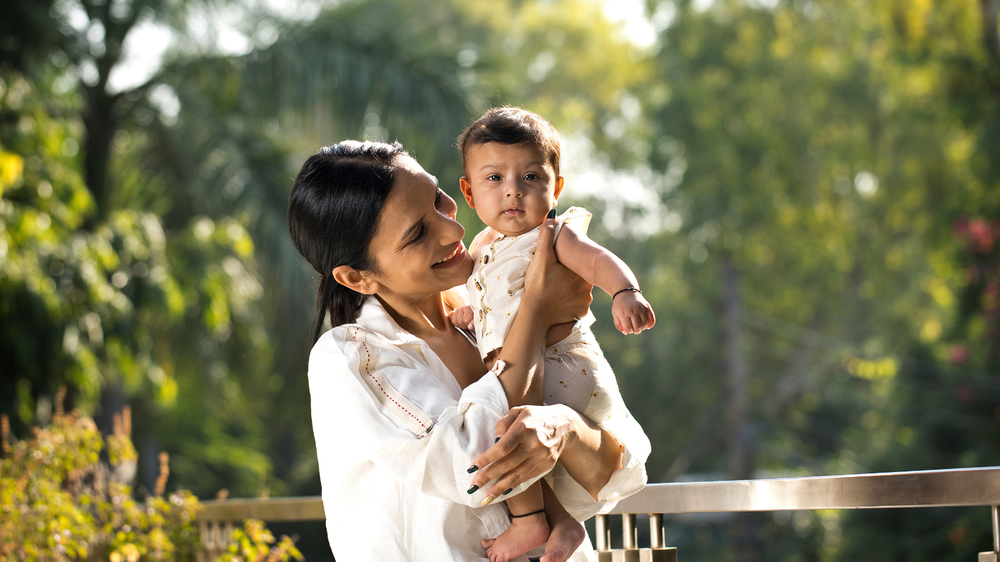
Wanting to be held is often your baby’s way of seeking comfort, warmth, and reassurance while building a strong sense of security
Why Does My Baby Want to Be Held All The Time?
Here are the common reasons why your baby wants to be held often:Your Baby Feels Safe in Your Arms
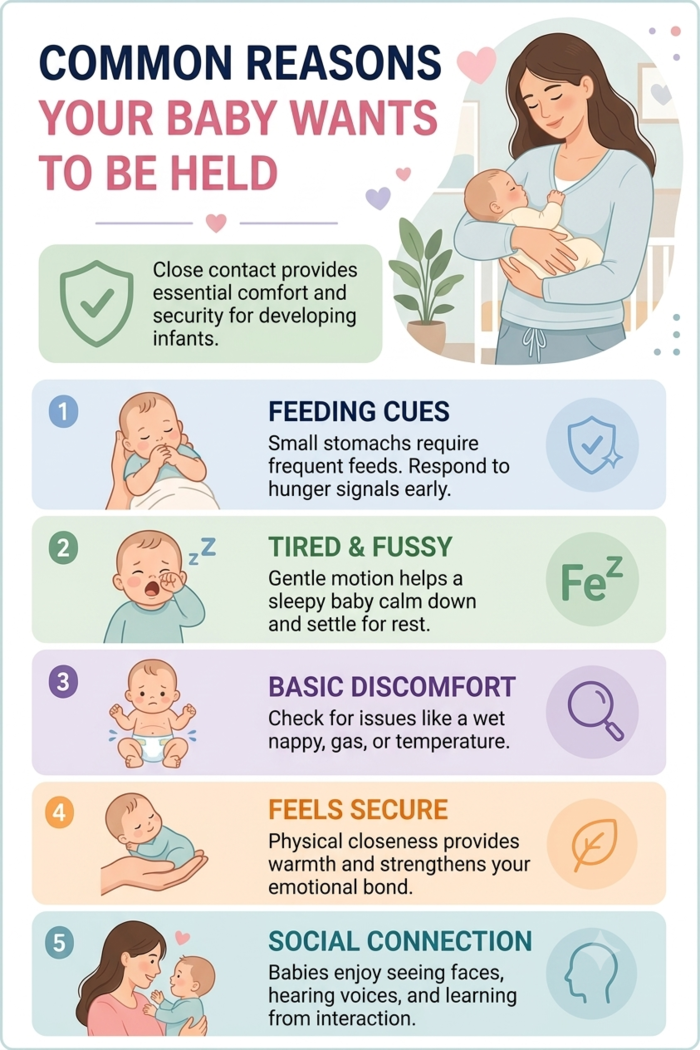
Being held provides warmth, gentle movements, and physical closeness. These sensations can help a baby feel secure. Babies are still learning about their surroundings, so being close to a parent or caregiver can be reassuring.
Your baby may settle more quickly when held because they recognise your voice, smell, or touch. This close contact can also strengthen the emotional bond between you and your baby.
Infants Cannot Be Independent
Small infants cannot move freely on their own and cannot soothe themselves like older kids. They require the help of their parents to provide food, warmth, comfort, and safety. However, the urge to be held does not indicate that the baby is becoming dependent. At this stage of development, the baby tries to express their needs through being in close contact with their parents.
The Baby Might Need Sleep
A sleepy baby becomes fussy and requires being carried. Being held provides comforting motions that help some infants to calm down. It is recommended to pay attention to the early signs of sleepiness, like yawning, rubbing the eyes, or being withdrawn. This would help the baby to avoid sleep deprivation and subsequent crankiness.
Your Baby May Be Hungry
Babies have small stomachs and need frequent feeds. A baby who wants to be held may also be showing hunger cues. Depending on their age, hunger signs may include bringing hands to the mouth, turning towards the breast or bottle, making sucking movements, or becoming restless. Responding to these cues can help you understand whether your baby needs feeding rather than simply comfort.
Your Baby May Need Help Settling
Babies have immature nervous systems and may find it difficult to calm themselves. Holding, rocking gently, or talking softly can help them settle. As your baby grows, they gradually develop better ways to manage different sensations and emotions. For now, providing calm support is a normal part of caring for them.
Your Baby May Be Experiencing Discomfort
Sometimes, a sudden increase in crying or a strong need to be held can occur when a baby is uncomfortable. Gas, a wet nappy, being too hot or cold, or other minor discomforts may make a baby more unsettled. Check the basic needs first. If your baby continues to cry unusually or seems unwell, speak with your paediatrician.
Your Baby Enjoys Interaction
Being held is not only about comfort. It also allows your baby to interact with you. Babies learn through seeing faces, hearing voices, and experiencing gentle touch. You can talk, sing, or smile at your baby while holding them. These simple interactions support early communication and help build a strong parent-child connection.
How Can Parents Manage a Baby Who Wants to Be Held Often?
Dr Chetana V does not recommend keeping your baby close to you all the time. When your infant has been fed and is content, lay your little one on their back in the crib or another safe place. While remaining nearby, you may talk, sing, or make them smile. You can also ask someone to help you with your baby.When Should Parents Seek Medical Advice?
Wanting to be held is usually normal, but parents should seek medical advice if they notice:- Persistent or unusual crying, poor feeding, repeated vomiting, or fever
- Breathing difficulties, unusual sleepiness, fewer wet nappies, or other signs of illness
- A sudden change in your baby's usual behaviour, especially when it continues or causes concern
Whether you’re pregnant, a new mom, or navigating postpartum, you don’t have to do it alone. Join our support group to connect, share, and support one another.
FAQs on Why Does My Baby Want to Be Held All The Time?
- Will carrying my baby affect their sleep patterns when they grow older?
Keeping your baby close to you does not mean they will have sleep issues later on in life. Sleep patterns are unique to each individual, and they keep changing during life. - Can I carry my baby in a carrier for long periods of time?
A properly designed carrier will make it much easier to hold your baby while moving around. Just make sure you pay attention to the safety instructions provided by the manufacturer and keep the baby's airway unobstructed. - Can grandparents or other caregivers help calm down the baby?
Yes, babies are likely to feel comfortable with their grandparents or familiar caregivers. Allowing your family, friends, or relatives to take care of your child will give you room for some rest and will help them bond well with the baby.