In this article:
To understand ovarian vein thrombosis, whether it can occur outside pregnancy, and how it may affect women’s health, we spoke with Dr Nikita Kulkarni, Obstetrician and Gynaecologist.
What Is Ovarian Vein Thrombosis?
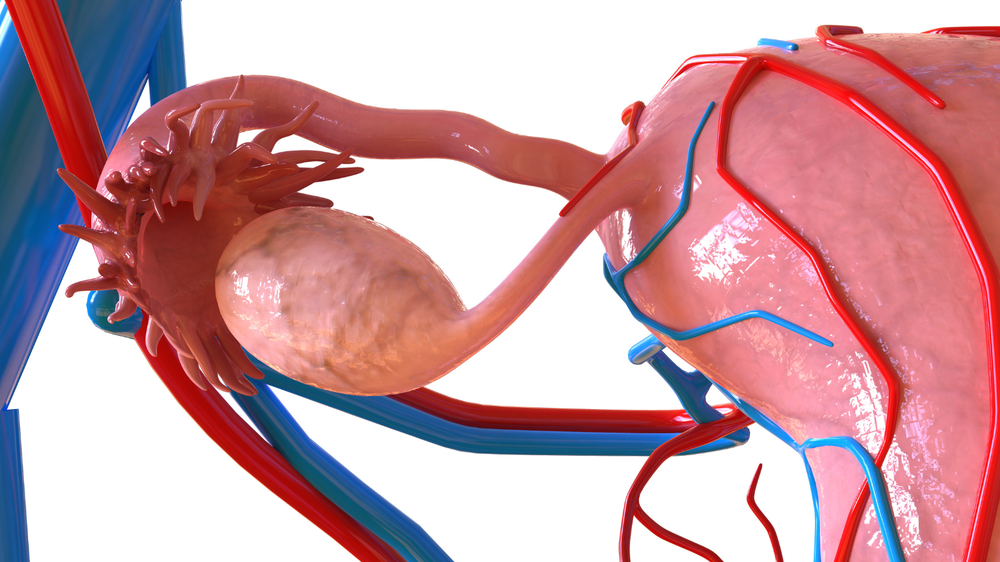
Ovarian vein thrombosis occurs when a blood clot forms inside an ovarian vein. The ovarian veins carry blood away from the ovaries.There are two ovarian veins:
- The right ovarian vein drains into the inferior vena cava.
- The left ovarian vein usually drains into the left renal vein.
Can Ovarian Vein Thrombosis Occur Outside Pregnancy?
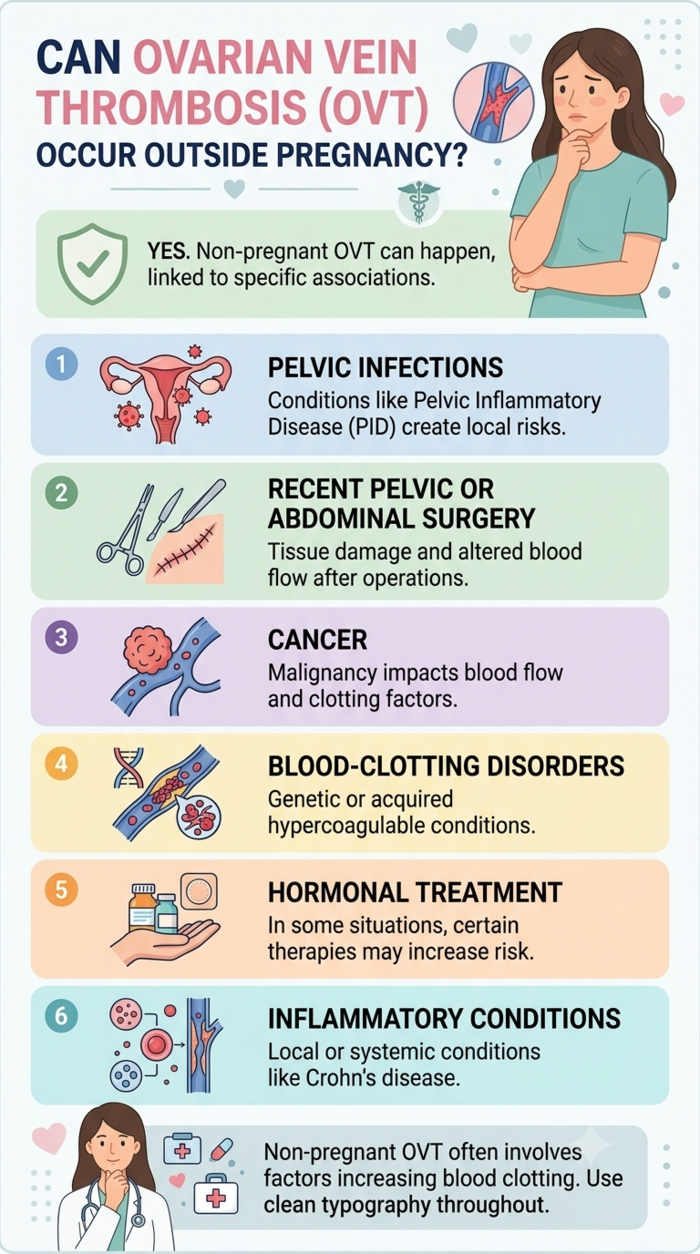
Yes. Although OVT is strongly associated with pregnancy and the postpartum period, it can occur in women who are not pregnant.Outside pregnancy, possible associations include:
- Pelvic infections
- Recent pelvic or abdominal surgery
- Cancer
- Inflammatory conditions
- Blood-clotting disorders
- Hormonal treatment in some situations
- Severe infections
- Conditions that increase the tendency of blood to clot
What Are the Symptoms of Ovarian Vein Thrombosis?
Possible symptoms include:- Lower abdominal or pelvic pain
- Fever
- Chills
- Nausea or vomiting
- Feeling generally unwell
- A fast heart rate
- Pain that may be more noticeable on one side
Ovarian vein thrombosis is uncommon, and abdominal or pelvic pain does not usually mean there is a blood clot. When OVT is suspected, appropriate imaging can help confirm the diagnosis and allow timely treatment to reduce the risk of complications.
How Is Ovarian Vein Thrombosis Diagnosed?
OVT can be difficult to diagnose based on symptoms alone because pelvic pain and fever have many possible causes.Doctors may use:
- Medical history and physical examination
- Blood tests, including tests that look for infection or inflammation
- Ultrasound with Doppler, which can sometimes show reduced or absent blood flow
- CT scan, which can provide a clearer view of the ovarian veins
- MRI, which may be useful when more detailed imaging is needed
How Is Ovarian Vein Thrombosis Treated?
Treatment depends on the clot's size and location, symptoms, possible cause, and risk of complications.Doctors may recommend:
- Anticoagulant medicines: These medicines help prevent the clot from growing and reduce the risk of new clots.
- Antibiotics: If an infection is suspected or confirmed, antibiotics may be prescribed.
- Pain relief: Medicines may be used to control discomfort.
- Treatment of the underlying condition: If cancer, infection, inflammation, or another medical problem contributed to the clot, that condition also needs attention.
Can Ovarian Vein Thrombosis Affect Fertility?
OVT itself is not generally considered a common direct cause of infertility. However, the condition that caused the clot may sometimes affect reproductive health.For example, pelvic infection, cancer, surgery, or certain inflammatory conditions may affect fertility independently of the clot.
If you have had OVT and are planning pregnancy, discuss your medical history and any ongoing medicines with your doctor before trying to conceive.
Is Ovarian Vein Thrombosis Dangerous?
OVT can become serious if it is not recognised and treated appropriately.One concern is the clot extending into larger veins. Another is pulmonary embolism, which happens when a clot travels to the lungs.
However, not every case progresses to these complications. Early diagnosis and appropriate treatment can reduce the risk.
Seek emergency medical care if you develop:
- Sudden difficulty breathing
- Chest pain
- Coughing up blood
- Fainting
- Severe or rapidly worsening symptoms
You’re not alone in your journey when trying to conceive. Join our supportive community to connect with others, share experiences, and find encouragement every step of the way.
FAQs on Ovarian Vein Thrombosis: Causes, Treatment and Fertility
- Can ovarian vein thrombosis happen if I am not pregnant?
Yes. Although it is more commonly associated with pregnancy and the postpartum period, OVT can also occur outside pregnancy. - Is ovarian vein thrombosis the same as a DVT?
No. A DVT usually refers to a clot in a deep vein, most commonly in the leg. OVT specifically involves an ovarian vein. - Can ovarian vein thrombosis go away on its own?
It should not be assumed that it will. Medical evaluation is important because the clot can sometimes extend or cause complications.