Feeling hot during pregnancy doesn't mean you have a fever or any signs of an emergency. Pregnancy is a state when your hormones rapidly shift, blood circulation increases, and metabolism changes to raise your baseline warmth and increase your awareness of heat. As a result, you might feel a sensation that may feel intense and uncomfortable.
Feeling Hot During Pregnancy
During pregnancy, suddenly feeling intense pressure is your body's way to adapt to the pregnancy’s demands. Unlike fever, feeling hot during pregnancy is the result of hormones and circulation. A burning sensation doesn't reflect actual burning or danger. It just means you are experiencing increased warmth. During pregnancy, you might experience:
- Internal Warmth: Deep heat felt inside the chest, abdomen, or pelvis, due to the increased metabolism and blood volume.
- Surface Heat: Experiencing warmth on the skin, especially on the face, neck, or palms, which may cause dryness or sensitivity.
- Burning: Heartburn or gastritis can cause heat or irritation in the stomach and throat.
- Tingling: Sensitivity in nerves that feels like prickling with needles due to circulation and vitamin B12 deficiency.
- Flushing: Sudden redness on the chest and face due to increased estrogen release, which mimics menopause and peaks during the early trimester.
Pregnancy burning sensation is different from fever. Normal pregnancy heat occurs without chills or weakness; it does not raise your body temperature above 38° C, and it often improves with hydration and rest. While fever is typically accompanied by illness, body aches, and a persistent high temperature.
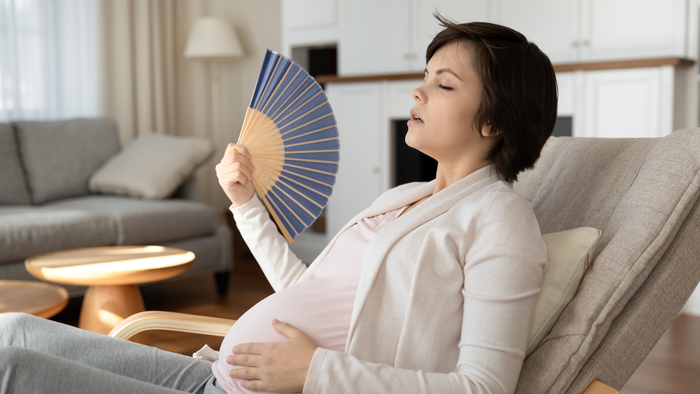
Reasons Why You Feel Hot During Pregnancy
Feeling a burning sensation during pregnancy is your body’s way to adapt to the pregnancy demands and nurture the baby. The burning sensation is nothing to be worried about, and it's temporary. Here are a few reasons why you may feel hot during pregnancy.
Hormonal Shifts
Pregnancy changes the way your hormones work. After conception, progesterone levels increase to support implantation and maintain the uterine lining. Progesterone increases the hypothalamic set point by 0.3- 0.5°C to create a warm and cosy environment for the foetus.
Progesterone relaxes smooth muscles all over the body for better blood flow. Progesterone directly affects the hypothalamus, the brain's temperature-regulating centre. It changes your internal thermostat, and your body works to conserve warmth, making you feel warm and mimicking hot flashes when oestrogen rises.
Increased Blood Volume
Pregnancy changes the way your cardiovascular system functions. During pregnancy, the blood volume increases by up to 40-50% to supply oxygen and nutrients to the foetus and placenta, while generating metabolic heat.
Cardiac output increases to push warm blood to the skin, which makes your face, chest, and palms warm, making your skin red and flushed, especially in the 2nd and 3rd trimesters.
Increased Metabolism
During pregnancy, the mother's basal metabolic rate increases up to 15-20% to support placental function and foetal growth, producing more internal heat. The growing foetus, placenta, and maternal tissues need an energy supply, and energy production generates heat, making you feel hot even while resting.
Due to the constant energy production, heat builds faster and cooling down takes time. Along with this, the fat deposition adds an insulation layer, which also adds to heat. The extra heat production is normal and results in internal warmth or a burning sensation.
Thyroid and Cardiovascular Changes
Thyroid hormones increase by 50% to meet metabolic demands and to support foetal development. These hormones enhance metabolism and oxygen consumption, increasing heat generation.
Heart rate rises by about 10-20 beats per minute, which strains the heart, boosting stroke volume, which circulates heat. This can lead to heat intolerance, and you may struggle to adapt to the temperature changes.
How to Cool Down
Here are some tips to cool down.
- Clothing: Wear comfortable, loose-fitting clothes made from cotton or bamboo.
- Hydration: Drink water consistently throughout the day.
- Shower: Use lukewarm water to shower and wash your lower body 2-3 times daily.
- Avoid heat foods: Spicy foods, caffeine, deep-fried foods, and ultra-processed foods can worsen acid reflux.
- Eat Cooling Foods: Foods with high water content, like cucumber, watermelon, citrus fruits, and fluids like coconut water, broths, and soups support hydration and maintain body temperature.
- Mattress: Use cotton bedsheets and a chilled gel pad to reduce heat.
- Temperature: Wear light clothes and keep the room at a comfortable, cool temperature.
Feeling hot during pregnancy is completely safe and normal. In fact, it's a way for your body to cope with the pregnancy changes. However, if the temperature is above 38°C during pregnancy, it indicates infection or fever. If the burning sensation is accompanied by allergic reactions, rashes, pain, or swelling with persistent itching or dizziness, you should report to your doctor. It might indicate dehydration, exhaustion, or cardiovascular stress.
Whether you’re pregnant, a new mom, or navigating postpartum, you don’t have to do it alone. Join our support group to connect, share, and support one another.
FAQs on Hot Flashes in Pregnancy: Here's Why You’re Feeling Hot During Pregnancy
- What helps with hot flashes during pregnancy?
Pregnancy hormones and cardiovascular changes cause hot flashes and a burning sensation during pregnancy. To cool down, use air conditioning or fans. Wear light and breathable clothes. Drink plenty of water to regulate body temperature. If you feel heat at specific places, place a cooling gel on the place for immediate relief. - What food triggers stomach burning in pregnancy?
Fried and processed foods, hot sauces, spicy curries, coffee, tea, soda, chocolate, peppermint, onions, and garlic are heat-producing foods which can increase burning sensations. If you feel a burning sensation in your stomach, drink enough water and rest for a few hours. Drink yoghurt or milk for relief. Don't wear tight clothing around the waist.