We consulted Dr Gopal Aggarwal, Director, Department of Neonatology and Paediatrics, Cloudnine Group of Hospitals, Gurgaon, to gain a better understanding of this topic.
Why Are Asthma Symptoms Easy to Miss?
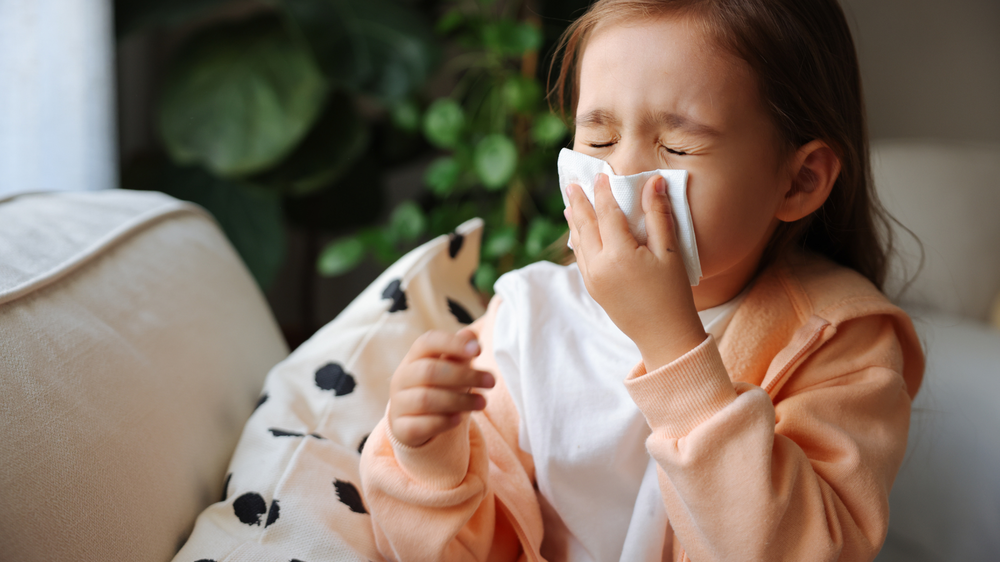
Dr Aggarwal points out that asthma can affect children; however, it may be difficult to diagnose children younger than six years old because symptoms can look similar to those of a common cold. In this case, coughing and wheezing may look the same whether they indicate a cold or the early stages of asthma.It should be noted that one incident cannot give a clear understanding of asthma occurrence since diagnosing asthma in a child is mainly about spotting recurring episodes.
Key Symptoms You Should Look Out For
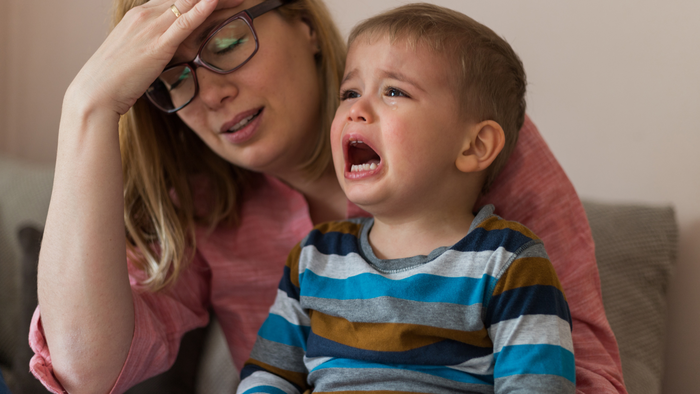
Dr Aggarwal further points out that you should look out for repetitive symptoms such as wheezing, coughing, shortness of breath, or noisy breathing. The symptom will present itself slightly differently based on your child:- Wheezing typically manifests as a whistling sound, especially when your child exhales
- Coughing may be non-productive and repetitive, and may be more prominent at nighttime or in the morning
- Shortness of breath may manifest itself through your child getting tired faster during activities
- Noisy breathing may also manifest as laboured or rattle-like sounds, even in the absence of wheezing
When Do Symptoms Tend to Show Up?
"These symptoms may get worse at night, during exercise, when your child catches a cold or even when exposed to dust, smoke, strong odours, pollution or pet allergens."Dr Gopal Aggarwal, Director, Department of Neonatology & Paediatrics, Cloudnine Group of Hospitals, Gurgaon.
Observing what triggers your child’s symptoms can provide valuable insights. If you notice a certain trend, like your child developing coughs every time they play around a pet, or difficulty breathing every time the pollution levels are very high, then you have some real information that you can give to your doctor.
Triggers that need to be observed include:
- Exposure to dust or strong household smells
- Cold air or changing weather
- Exercise
- Colds
- Exposure to smoke and polluted air
- Contact with pets and other allergens
Does Family History Make a Difference?
If asthma, allergies, eczema, or hay fever exist within your family, there is a chance that your child might also have asthma. But it does not necessarily mean that your child will develop asthma; it is just good to bring it up with your doctor.Keeping Track of the Pattern
Since childhood asthma is often diagnosed by looking for a pattern rather than a diagnostic test, maintaining a straightforward tracking pattern may be helpful. One could consider tracking the following things:- Times when symptoms occur, and approximately for how long
- Certain triggers that appear to cause the symptoms
- If the symptoms are more severe at nighttime or after exercising
- Whether there is a family history of asthma, allergies, or eczema
When Do You Need to Consult the Doctor?
If you see your child experience repetitive respiratory symptoms, you should go and see a paediatrician. In case you have noticed the following symptoms:- Persistent wheezing, coughing or noisy breathing
- Consistent aggravation of symptoms in the evening, during exercise or after particular triggers
- Family history of asthma, allergies or eczema in addition to persistent symptoms
- Easy tiredness and difficulty breathing during regular playtime in your child
Identifying the signs of asthma in a child requires some time and effort because many things depend on observing certain patterns rather than particular situations. Trust yourself, record the times when your child experiences the symptoms and discuss this matter with your doctor.
Whether you’re pregnant, a new mom, or navigating postpartum, you don’t have to do it alone. Join our support group to connect, share, and support one another.
FAQs on Asthma Symptoms in Young Toddlers: Signs to Watch For
- Is it possible for a child to have asthma and not wheeze?
Yes, there are children who show symptoms of coughing, especially at night, and not wheezing. Such a condition is known as cough-variant asthma and might require some investigation. - How long should the symptom pattern persist before bringing it up to the doctor?
There is no clear guideline about the time frame; however, recurrent episodes for weeks or months, or those following a certain trigger, should be reported instead of just waiting forever. - Can allergies and asthma have similar symptoms in a young child?
The answer is yes, because allergies may also manifest as coughing or noisy breathing. You should consult your paediatrician about the particular symptom pattern and triggers of your child.