In this article:
Why Are Allergies And Asthma Increasing?
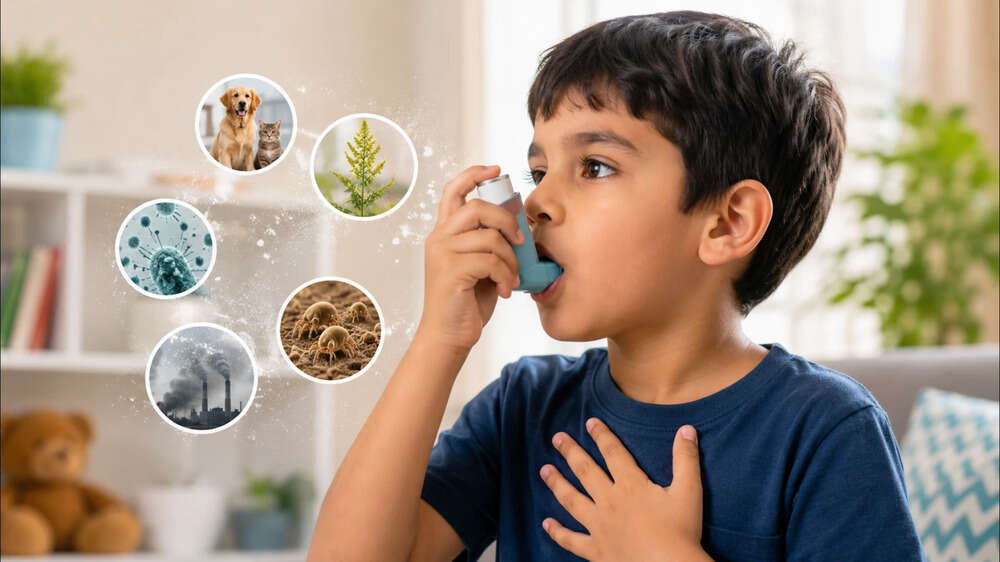
Doctors attribute the rise in allergies and asthma to several factors, like increasing pollution.Allergies and asthma are among the fastest-growing chronic health conditions in children. Rising pollution levels, changing lifestyles, indoor allergens, and genetic susceptibility have all contributed to this increasing burden.
As per a review in Frontiers In Allergy, air pollution and aeroallergen exposure in early life are increasingly recognised in relation to childhood asthma and allergies. Indoor triggers such as dust mites, mould, pet dander, tobacco smoke and poor ventilation can also worsen symptoms.
Symptoms Parents Should Not Dismiss
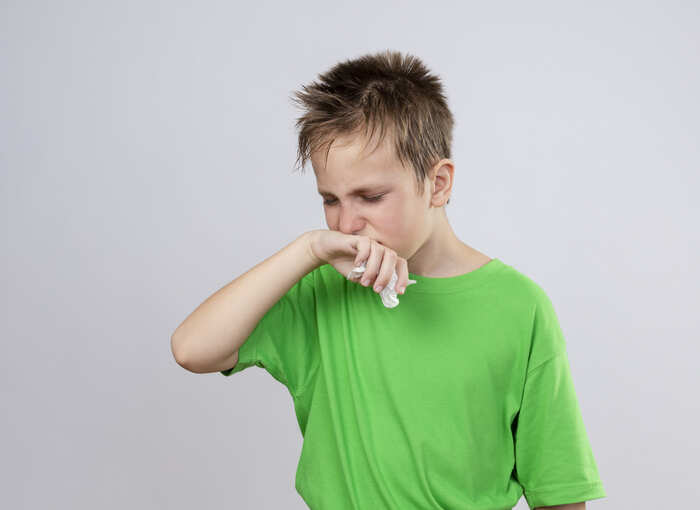
Even though some symptoms seem minor, they may signal towards something that needs professional care.Recurrent cough, wheezing, breathlessness, sneezing, nasal congestion, or eczema are often dismissed as minor problems, resulting in delayed diagnosis and treatment.
Watch for:
- Night-time or early-morning cough
- Wheezing or noisy breathing
- Breathlessness during play
- Repeated sneezing or a blocked nose
- Itchy eyes or eczema
- Poor sleep, tiredness or school difficulties
How Allergies Affect Sleep And Learning
What parents often miss, is that these allergies can have far reaching consequences.I treated an 8-year-old boy whose school performance had dipped, as he was constantly tired and unable to sleep well at night. The cause turned out to be poorly controlled allergic rhinitis and asthma, which had gone undiagnosed for years.
This is why early care matters. As per a study in Allergic Rhinitis Quality Of Life In Urban Children With Asthma, allergic rhinitis and asthma can affect sleep and school performance in children.
What Parents Can Do
Most conditions can be treated.These conditions not only affect physical health but can also impact sleep, concentration, and overall quality of life. Most children can manage these conditions effectively with timely diagnosis and appropriate care.
Parents should:
- Identify triggers such as dust, smoke, pollen or pets
- Keep rooms clean, dry and ventilated
- Avoid tobacco smoke exposure
- Follow prescribed inhalers or allergy medicines
- Seek specialist advice for recurrent symptoms
- Share an asthma action plan with school caregivers
Early diagnosis, trigger control and adherence to treatment can help children sleep better, learn better and avoid severe flare-ups or hospital visits.
FAQs On Allergies And Asthma In Children
- When Should I See A Doctor For My Child’s Cough?
See a doctor if the cough is recurrent, worse at night, linked with wheezing, breathlessness, poor sleep or reduced activity. - Can Childhood Asthma Be Managed Well?
Yes. Most children can do well with trigger control, prescribed treatment, an asthma action plan and regular follow-up.