In this article:
15 Signs Your Baby Is Tired
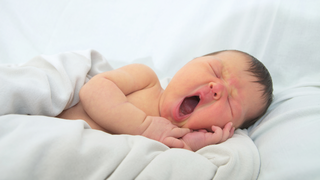
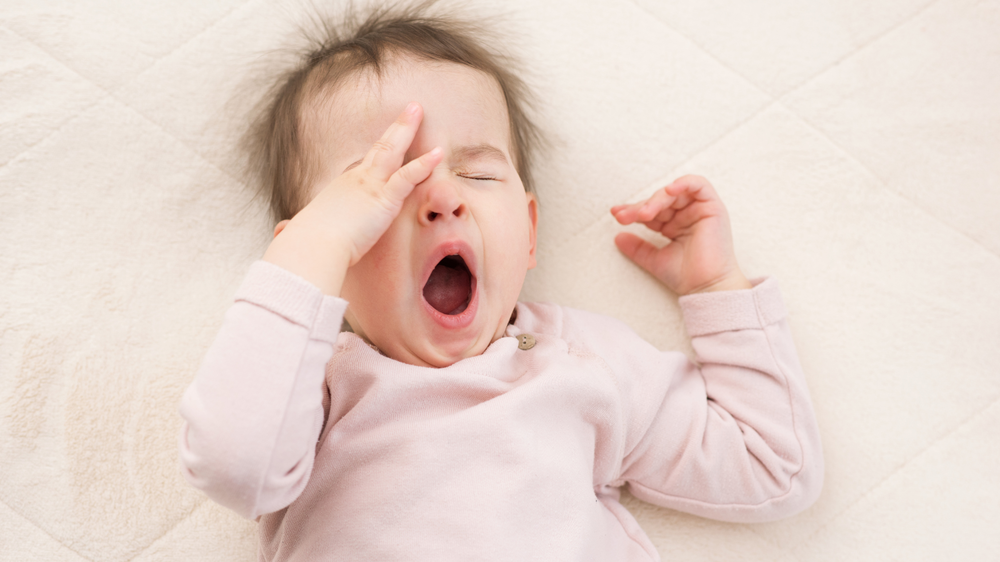
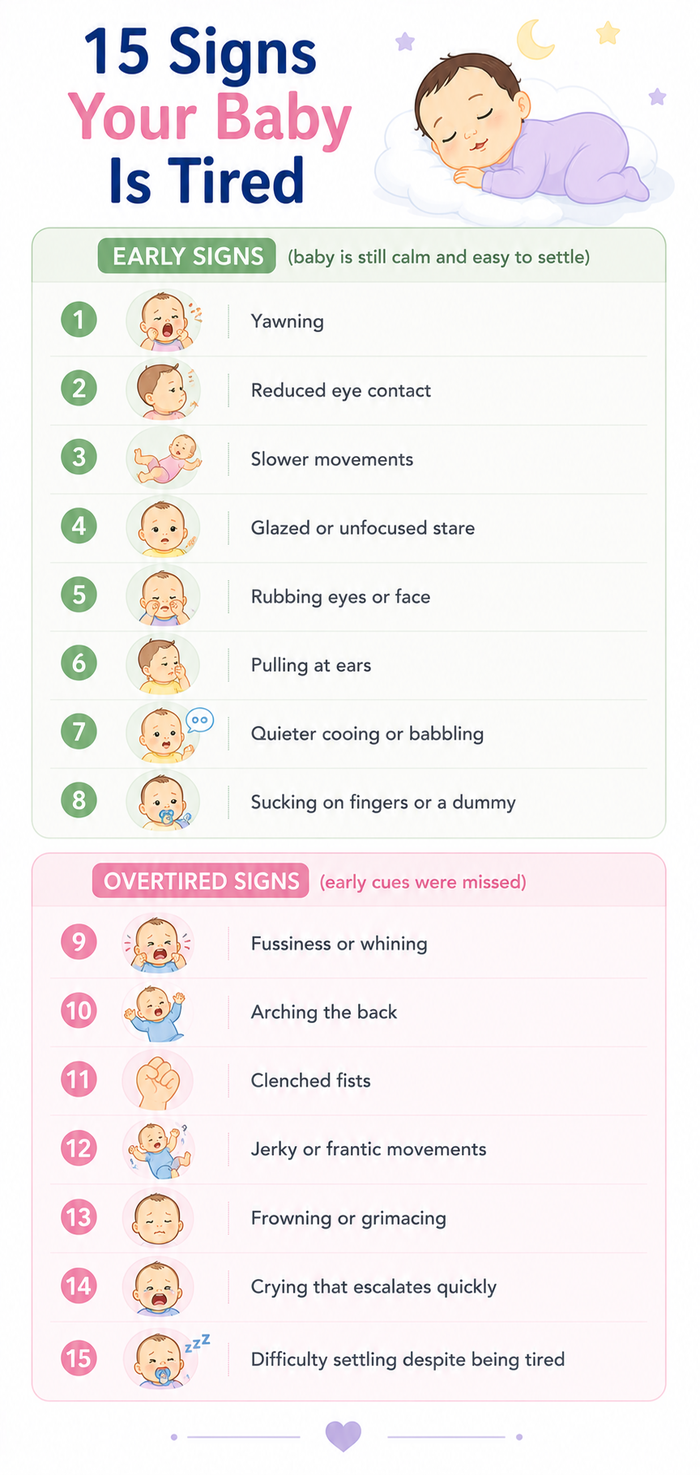
Early signs (baby is still calm and easy to settle):- Yawning: Often the first and most obvious cue, sometimes appearing within the first 30 minutes of a newborn being awake.
- Reduced eye contact: Your baby looks away or avoids engaging, even during activities they were enjoying moments earlier.
- Slower movements: Less kicking, waving, or wriggling reduces noticeably as your baby's energy for activity drops.
- A glazed or unfocused stare: Eyes look "far away”, fixed on nothing in particular rather than tracking faces or objects.
- Rubbing eyes or face: A self-soothing gesture that often appears alongside yawning as sleep pressure builds.
- Pulling at ears: Frequently mistaken for an ear infection, though on its own with no fever or fussiness, it usually signals tiredness.
- Quieter cooing or babbling: Vocal activity drops off as your baby conserves energy instead of engaging in sound-play.
- Sucking on fingers or a dummy: Sucking increases as a comfort behaviour, helping your baby self-regulate before sleep.
Once cortisol and adrenaline are released, babies find it harder to fall asleep even though they need it. Watch for:
- Fussiness or whining: A shift from calm to irritability, often the first clear sign that early cues went unnoticed.
- Arching the back: Your baby pulls away or stiffens during feeds or while being held, resisting rather than settling.
- Clenched fists: Tightly closed hands are a physical marker of the tension building as overtiredness sets in.
- Jerky or frantic movements: Arm and leg movements turn sharp and uncoordinated, replacing the slower motions seen in early tiredness.
- Frowning or grimacing: Facial muscles tighten, and the relaxed expression from earlier gives way to visible strain.
- Crying that escalates quickly: Crying moves from a low grumble to a full cry within a short span, marking a late-stage sign of overtiredness.
- Difficulty settling despite being tired: Known as the "fighting sleep" pattern, where your baby resists sleep even though every sign points to needing it.
How Can You Differentiate Signs of Tiredness From Hunger or Boredom?
Rooting, lip-smacking, or turning toward a hand near the mouth usually points to hunger, not sleepiness. Boredom can look similar to tiredness on the surface, a brief stare, a pause in activity, but it does not carry the same combination of physical cues.Sleepiness is confirmed when two or more signs appear together, such as a yawn paired with eye-rubbing, or slower movements alongside reduced eye contact. A single cue on its own, like one stare or one yawn, does not always mean sleep is due; it can simply be a passing moment of disinterest. Checking the time since your baby last woke, alongside these grouped cues, gives a more accurate picture than relying on any one sign alone.
How Do Signs of Tiredness Change With a Baby's Age?
- Newborns (0–3 months): Sleep 14–17 hours a day and may show tired signs after only 30–45 minutes of wake time.
- Infants (4–6 months): Sleep 12–15 hours a day, with wake windows stretching to 1.5–3 hours.
- Older infants (6–12 months): Need 11–14 hours of sleep, usually across two to three naps plus longer night stretches.
Whether you’re pregnant, a new mom, or navigating postpartum, you don’t have to do it alone. Join our support group to connect, share, and support one another.
FAQs on Is Your Baby Tired? 15 Signs to Look Out For
- How many tired signs should I look for before putting my baby down?
Two or more sleepy signs appearing together, such as yawning with eye-rubbing, are a reliable signal to begin the sleep routine. - What is the "cortisol surge"?
It refers to the release of cortisol and adrenaline when a baby's natural sleep window is missed, which can make settling harder even though the baby is tired. - Can teething cause the same signs as tiredness?
Yes. Ear-pulling, fussiness, and disrupted sleep can overlap with teething. Check for drooling, gum swelling, or a slight fever to tell the two apart.