What is Oxidative Stress?
Your body naturally produces free radicals during normal processes such as metabolism. When these unstable molecules build up, they can damage cells. The body uses antioxidants to control them, but an imbalance can cause oxidative stress, which may affect eggs and sperm.Smoking, excess alcohol, poor diet, lack of sleep, and pollution may increase oxidative stress. Antioxidants support the body's natural defences but are not a standalone treatment for infertility.
How Can Antioxidants Support Egg Health?
Eggs develop and mature inside the ovaries. The cells around developing eggs provide an important environment for their growth. Excess oxidative stress may affect this cellular environment and normal cell function. Antioxidant nutrients may help the body manage oxidative stress.However, eating antioxidant-rich foods does not guarantee better egg quality or pregnancy. Egg health is also influenced by other factors like age and ovarian health.
Dr Lavi Sindhu says,
“Antioxidants help protect reproductive cells from oxidative stress and support their normal function as part of overall fertility care.”
How Can Antioxidants Support Sperm Health?
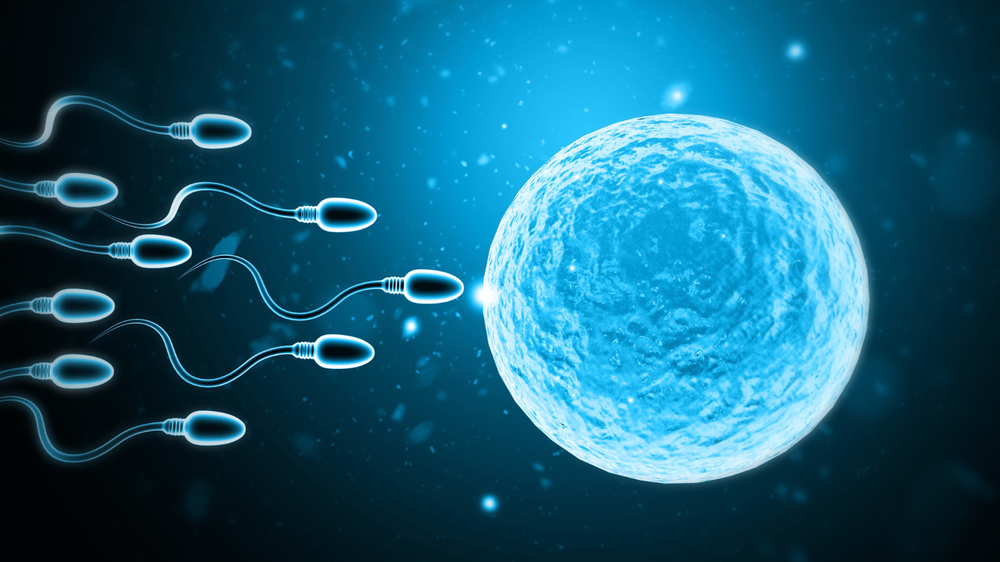
Sperm cells can also be affected by oxidative stress. High levels of free radicals may affect sperm movement, concentration, and DNA integrity. Sperm movement, or motility, is the ability of sperm to move properly towards the egg. DNA integrity refers to the condition of the genetic material carried by sperm.Healthy sperm are important for conception because sperm provide half of the genetic material needed to form an embryo. For this reason, men should also pay attention to their diet and lifestyle.
Dr Lavi Sindhu explains that antioxidant-rich foods can be included as part of a healthy lifestyle. They should not, however, replace medical evaluation or fertility treatment when needed.
Which Antioxidant Nutrients Are Important?
Several vitamins and minerals have antioxidant properties and support normal body functions. These include the following:- Vitamin C: Citrus fruits like berries, guava, tomatoes, and many other vegetables are good sources. Vitamin C helps protect cells from oxidative damage.
- Vitamin E: Nuts, seeds, and some vegetable oils provide vitamin E. It helps protect cells from free radical damage
- Selenium: Foods such as eggs, fish, meat, cereals, and some nuts contain selenium. It supports the normal function of antioxidant enzymes.
- Zinc: Zinc is found in legumes, nuts, seeds, dairy products, eggs, and meat. It supports normal cell function and reproductive health.
- Carotenoids: These natural compounds are found in many colourful fruits and vegetables. Carrots, tomatoes, and leafy green vegetables are common sources.
Are Antioxidant Supplements Necessary?
Antioxidant supplements are widely promoted for fertility, but they should be used only with medical advice. High doses of certain vitamins and minerals may cause side effects. Some people get enough antioxidants through diet, while others may need supplements for a deficiency or specific health need. Dr Lavi Sindhu recommends personalised guidance based on your health, diet, and fertility needs, particularly during fertility treatment.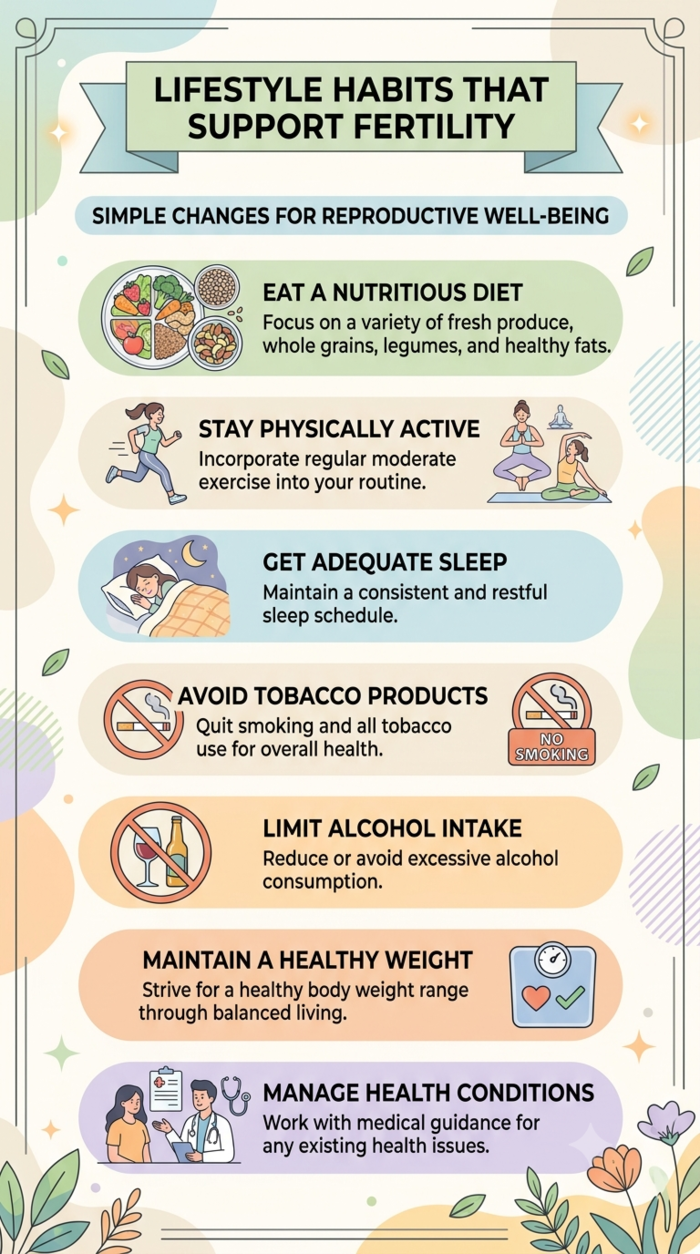
Lifestyle Habits That Support Fertility
Antioxidants are only one part of reproductive health. Simple lifestyle changes can also support general well-being, such as:- Eat a varied and balanced diet
- Include fruits and vegetables in regular meals
- Add whole grains, legumes, nuts, and seeds to the diet
- Stay physically active
- Get adequate and regular sleep
- Avoid smoking and tobacco products
- Limit alcohol intake
- Maintain a healthy weight
- Manage existing health conditions with medical guidance
When Should You Seek Medical Advice?
An evaluation by a fertility specialist can help identify possible reasons for delayed conception:- Seek advice: Consider medical evaluation when pregnancy is taking longer than expected
- Assess both partners: Infertility can have different causes, so both partners may need testing
- Discuss supplements: Tell your doctor about all vitamins, supplements, and herbal products you take
- Follow personalised care: Your doctor can suggest tests and treatment based on your individual needs
You’re not alone in your journey when trying to conceive. Join our supportive community to connect with others, share experiences, and find encouragement every step of the way.
FAQs on Antioxidants and Their Role in Egg and Sperm Protection
- Can antioxidants prevent age-related fertility changes?
No. Antioxidants cannot stop the natural changes in reproductive function that occur with age. Age remains an important factor in both female and male fertility. - Are organic foods better sources of antioxidants?
Organic and conventionally grown foods can both provide antioxidants. The most important step is to include a variety of fruits, vegetables, and other nutrient-rich foods in your diet. - Can drinking more water improve the body's antioxidant levels?
Adequate hydration is important for general health, but simply drinking more water does not directly increase antioxidant levels or improve fertility. A balanced diet remains the main way to obtain antioxidant nutrients.