In this article:
Is Protein in Urine Normal During Pregnancy?
A trace result does not mean a pregnant woman has preeclampsia. Temporary protein in urine can result from a urinary tract infection, fever, dehydration, or certain conditions affecting the bladder or kidneys. Vaginal discharge can also contaminate a urine sample and affect the result.A single positive dipstick result therefore needs to be interpreted in context. Doctors may repeat the test or use a more accurate measurement if necessary.
The amount of protein, blood pressure, symptoms, pregnancy stage, and other test results all help determine whether further evaluation is needed.
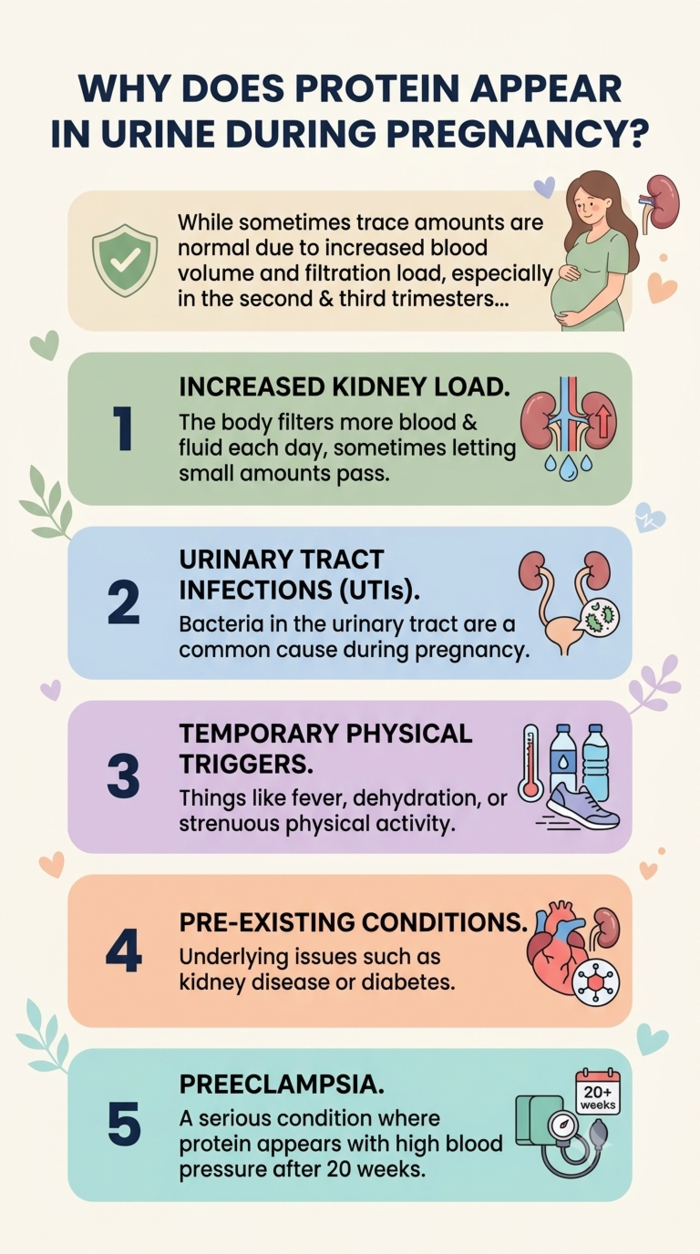
Why Does Protein Appear in Urine During Pregnancy?
Pregnancy increases blood volume and pushes more fluid through the kidneys each day. This extra filtration load can let trace amounts of protein pass into urine, especially in the second and third trimesters. Other causes include:- Urinary tract infections (UTI’s)
- Temporary changes such as fever, dehydration, or strenuous physical activity
- Pre-existing kidney disease or diabetes
- Preeclampsia, when protein appears alongside high blood pressure after 20 weeks
Dr Soumya Lakshmi, Sr. Consultant, Obs & Gyn, Aster CMI Hospital
Proteinuria and Preeclampsia: What Is the Link?
Preeclampsia usually develops after 20 weeks of pregnancy and is characterised by high blood pressure with proteinuria or other signs of maternal organ involvement.A commonly used threshold for significant proteinuria is 300 mg or more of protein in 24 hours. Instead of collecting urine for 24 hours, many guidelines recommend a spot protein-to-creatinine ratio (PCR) or albumin-to-creatinine ratio (ACR) to quantify protein in the urine. NICE considers a PCR of 30 mg/mmol or more significant.
Around 30% of pregnant women who have proteinuria will go on to develop preeclampsia during their pregnancy.
How Is Protein in Urine Tested at Antenatal Visits?
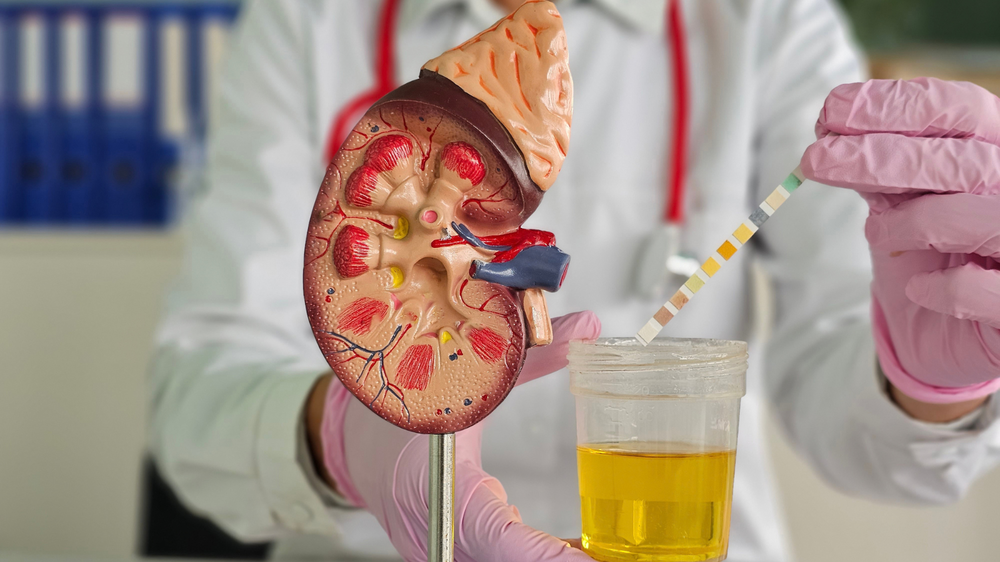
A routine urine dipstick test may be used initially to screen for protein. If protein is detected, the doctor may recommend a protein-to-creatinine ratio or albumin-to-creatinine ratio using a spot urine sample.The older approach of collecting all urine for 24 hours can measure total protein excretion, but NICE does not recommend routine 24-hour urine collection for quantifying proteinuria when other appropriate tests are available.
What Symptoms Should You Watch For?
Proteinuria often causes no noticeable symptoms. This is why routine antenatal checks are important.Contact your obstetrician promptly if protein in the urine is accompanied by:
- Severe or persistent headache
- Blurred vision or flashing lights
- Sudden swelling of the face, hands or feet
- Pain below the ribs or in the upper abdomen
- Feeling very unwell
- Persistent vomiting
- Reduced urine output
- High blood pressure
How to Manage High Protein in Urine During Pregnancy
A few practical steps can help track and manage protein in urine during pregnancy:- Attend every antenatal check-up to ensure blood pressure and urine are tracked together
- Treat urinary tract infections promptly with medicines prescribed by your doctor
- Stay hydrated, particularly in summer months
- Follow up any 2+ or higher dipstick reading with a confirmatory blood and urine test
- Report headaches, swelling in the face or hands, or vision changes immediately, as these can accompany preeclampsia
Whether you’re pregnant, a new mom, or navigating postpartum, you don’t have to do it alone. Join our support group to connect, share, and support one another.
FAQs on Protein in Urine During Pregnancy: What It Means and Why It Matters
- Can protein in urine harm the baby?
Protein itself does not harm the baby. Complications arise when it signals preeclampsia, which can affect placental blood flow and lead to early delivery. - What foods help reduce protein in urine during pregnancy?
No food reverses proteinuria caused by preeclampsia. A balanced diet with adequate water, moderate salt, and treatment of any underlying infection generally supports kidney function. - When should I worry about protein in urine during pregnancy?
Readings of 2+ or higher, or protein alongside high blood pressure, swelling, or headaches, need immediate medical review.