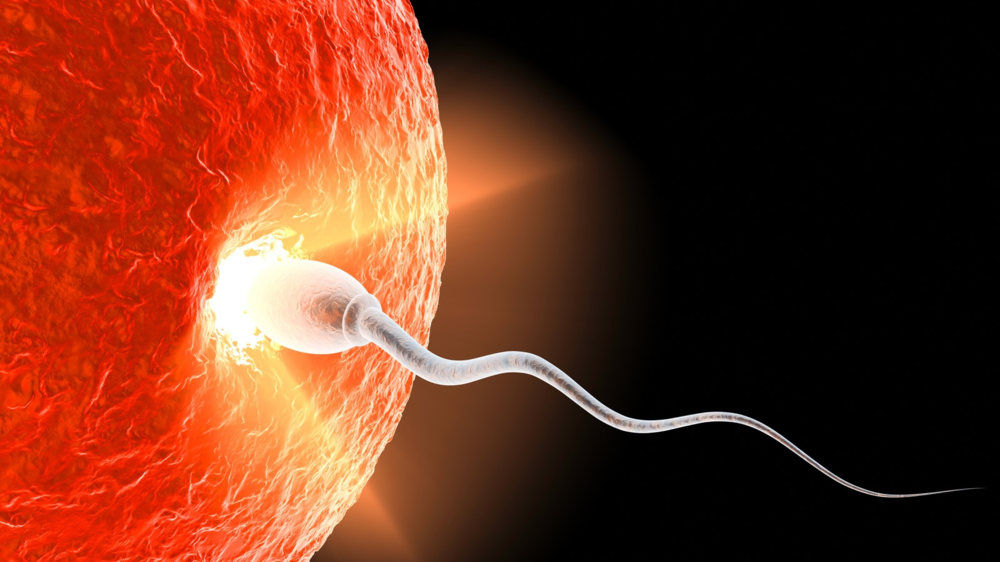
When this process does not work as expected, fertilisation may become difficult. Understanding how sperm interact with the egg can help couples learn more about reproductive health and the factors that may affect conception.
To understand the acrosome reaction, why some sperm fail to penetrate the egg, how this can affect fertilisation, and the available diagnosis and treatment options, we spoke with Dr Sugata Mishra, Fertility Specialist at Birla Fertility & IVF, Kolkata.
What Is the Acrosome Reaction?
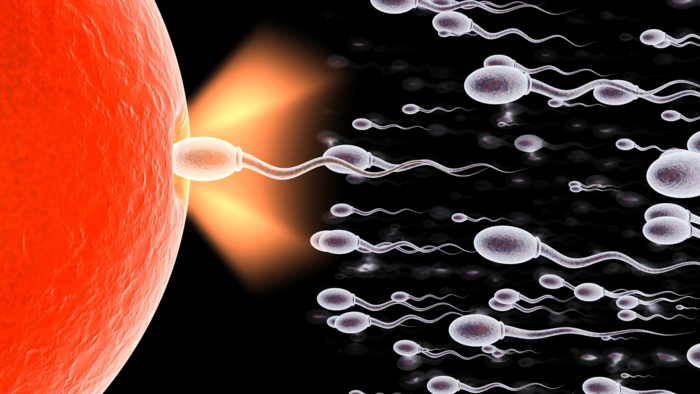
The acrosome reaction occurs when a sperm prepares to penetrate the egg's protective layers. The acrosome is a cap-like structure at the sperm head that contains enzymes involved in fertilisation.During this reaction, the sperm's outer membranes change and release enzymes that help it interact with the egg's surrounding layer, called the zona pellucida. These changes support the steps needed for fertilisation.
How Does the Acrosome Reaction Happen?
The acrosome reaction takes place as part of the sequence of events leading to fertilisation. The main steps include:- Sperm preparation: Sperm undergo capacitation in the female reproductive tract, which prepares them to fertilise an egg.
- Contact with the egg's outer layer: Sperm interact with the egg's protective layers.
- Changes in the sperm head: The membranes around the acrosome undergo changes, allowing its contents to be released.
- Penetration and fertilisation: The sperm passes through the egg's protective layers and, if the remaining steps occur successfully, fuses with the egg membrane.
Why Is the Acrosome Reaction Important for Fertilisation?
The acrosome reaction helps sperm interact with and pass through the egg's protective layers. It is an important part of the sequence that allows sperm and egg to come together.Its role includes:
- Helping sperm interact with the zona pellucida.
- Releasing acrosomal substances that help the sperm penetrate the egg's surrounding layers.
- Preparing sperm for the later steps of fertilisation.
What Happens When the Acrosome Reaction Does Not Occur Properly?
If the acrosome reaction fails to occur at the right time or proceeds abnormally, sperm may struggle to penetrate the egg's protective layers. This can prevent fertilisation, even when sperm reach the egg.Possible problems include:
- Failure to release acrosomal contents: Sperm may not release the substances needed to interact with the egg's surrounding layers.
- Premature acrosome reaction: If the reaction occurs too early, the sperm may lose the ability to complete the required steps at the egg.
- Reduced fertilising ability: Abnormalities in sperm function may affect the chances of successful fertilisation.
What Causes Problems With the Acrosome Reaction?
Acrosome reaction problems may be linked to abnormalities in sperm structure or function. Possible contributing factors include:- Abnormal development of the sperm head or acrosome.
- Changes in sperm membrane function.
- Problems with sperm capacitation.
- Other underlying sperm-quality issues.
How Are Acrosome Reaction Problems Diagnosed?
A routine semen analysis measures sperm count, movement and shape. However, it does not directly confirm whether the acrosome reaction is occurring normally.If a specialist suspects a sperm-function problem, they may consider additional assessments depending on the clinical situation. These can include specialised laboratory tests that evaluate acrosomal status or other aspects of sperm function.
When fertilisation fails repeatedly, it is important to evaluate both partners and review previous IVF cycles and laboratory findings. Based on these findings, fertility specialists may recommend additional tests to identify the underlying cause and guide further treatment.
Can IVF or ICSI Help When Sperm Cannot Penetrate the Egg?
Assisted reproductive techniques may help in selected cases where sperm cannot fertilise an egg naturally.- Conventional IVF:Eggs and prepared sperm are placed together in a laboratory dish. Sperm must still complete the steps required to penetrate the egg and achieve fertilisation.
- Intracytoplasmic sperm injection (ICSI): A single sperm is injected directly into the egg, bypassing the need for sperm to penetrate the egg's outer layers independently.
When Should You See a Doctor?
Consider consulting a fertility specialist if:- You have been trying to conceive without success.
- A semen analysis shows abnormal sperm parameters.
- Fertilisation has repeatedly failed during IVF treatment.
- Your doctor suspects a sperm-function problem.
FAQs on Sperm Unable to Penetrate the Egg: What Does It Mean?
- Can sperm have a normal shape but still fail to fertilise an egg?
Yes. Normal-looking sperm may still have functional problems that affect their ability to fertilise an egg. - Does the acrosome reaction happen before or after sperm reach the egg?
It usually occurs as sperm interact with the egg's surrounding layers, after sperm have undergone capacitation. - Does a failed acrosome reaction affect natural conception only?
No. It may affect natural fertilisation and conventional IVF. ICSI can bypass the need for sperm to penetrate the egg's outer layers independently.