
In this article:
What is Thyroid Imbalance During Pregnancy?
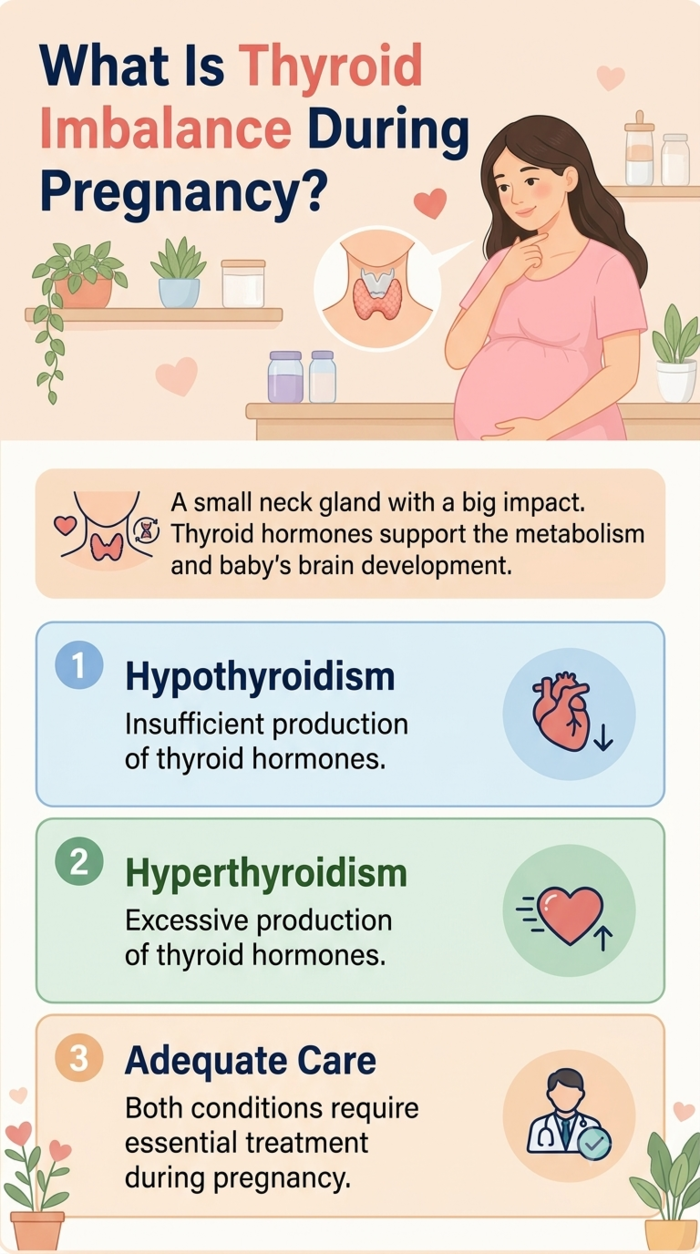
The thyroid gland is a tiny butterfly-shaped gland located in the neck, which produces hormones that control metabolism, energy consumption, and several body functions. During pregnancy, thyroid hormones help with the process of development of both the brain and the nervous system of the child.Thyroid disorders associated with pregnancy are:
- Hypothyroidism: The thyroid produces insufficient amounts of thyroid hormones
- Hyperthyroidism: The thyroid produces excessive amounts of thyroid hormones
Uncontrolled thyroid disorders during pregnancy may interfere with fetal development and increase the risk of complications, including preterm delivery and low birth weight.
How Do Thyroid Hormones Increase the Risk of Preterm Delivery?
Preterm delivery refers to the birth of a baby before 37 weeks. Thyroid hormones influence several processes involved in pregnancy maintenance, placental function, and foetal development. When hormone levels are outside the recommended range, certain pregnancy complications may become more likely. According to Dr Sushma K, these include the following:1. Untreated Hypothyroidism
When thyroid hormone levels are low, the mother's body may struggle to meet the increased hormonal demands of pregnancy. Untreated or inadequately treated hypothyroidism has been associated with complications such as pre-eclampsia, placental problems, and preterm birth. However, the risk varies depending on the severity of the condition and whether treatment keeps thyroid hormone levels within the recommended range.
2. Uncontrolled Hyperthyroidism
Excess thyroid hormone can increase the body's metabolic activity and place additional demands on the cardiovascular system. Poorly controlled hyperthyroidism during pregnancy has been associated with maternal complications, foetal growth problems, and preterm delivery. Appropriate treatment helps control hormone levels and reduces the risk of complications. Some antithyroid medicines require special consideration during pregnancy, so treatment should always be guided by a specialist.
3. Effects on Placental Function
The placenta supplies oxygen and nutrients to the developing baby. Thyroid hormones contribute to normal placental function and foetal growth. Significant thyroid dysfunction may interfere with these processes and contribute to pregnancy complications. However, the relationship between thyroid imbalance and placental problems is complex. Not every pregnant woman with a thyroid disorder experiences these complications.
Signs of Thyroid Imbalance During Pregnancy
The following signs may indicate an underactive or overactive thyroid and should be discussed with a doctor:Hypothyroidism
- An abnormal feeling of exhaustion
- Constipation
- Higher sensitivity to cold
- Dry skin
- Unexplained weight gain
- Hair thinning
- Poor concentration
- Slower heart rate
- Muscle weakness
Hyperthyroidism
- Fast heart rate
- Feeling too warm
- Excessive sweating
- Trembling of hands
- Unexplained weight loss
- Increased anxiety
- Diarrhoea
- Sleep disturbances
- Bulging eyes
- Neck swelling
How is Thyroid Imbalance Diagnosed?
Dr Sushma K suggests the following investigations:- Thyroid-stimulating hormone (TSH): Helps assess how the thyroid gland is functioning
- Free thyroxine (free T4): Measures the available level of a major thyroid hormone
- Thyroid antibody tests: May help identify autoimmune thyroid conditions when indicated
Managing Thyroid Imbalance to Support a Healthy Pregnancy
Key steps in managing thyroid imbalance during pregnancy include the following:- Taking thyroid medications as prescribed
- Going to regular prenatal visits and necessary blood tests
- Informing physicians about any pre-existing thyroid disease before pregnancy
- Not changing the dosage without medical advice
- Getting medical attention if symptoms worsen or new problems emerge
How Often Should Thyroid Hormones be Monitored During Pregnancy?
Thyroid hormone levels should generally be checked every 4-6 weeks during the first half of pregnancy, particularly in women receiving treatment for hypothyroidism or hyperthyroidism. Regular monitoring helps doctors adjust medication doses according to the changing pregnancy needs. Once thyroid hormone levels stabilise, testing may be less frequent, depending on the doctor's advice. Another test is usually recommended around 30 weeks to ensure levels remain controlled.Thyroid hormone irregularities can elevate the likelihood of premature delivery, especially when hormone levels are inadequately managed. Effective treatment and regular check-ups can reduce those risks. Women who are looking to conceive or are already pregnant should consult their gynaecologist concerning thyroid conditions and schedule appropriate checks. Taking medications as prescribed, attending antenatal appointments, and sharing unusual symptoms with a doctor can support maternal health and ensure a successful beginning for the baby.
FAQs on The Link Between Thyroid Imbalance and Preterm Delivery
- Can thyroid problems develop for the first time during pregnancy?
Yes, thyroid problems can develop for the first time during pregnancy due to hormonal changes, autoimmune conditions, or iodine deficiency. Regular prenatal checkups and thyroid function tests help identify abnormalities early and guide appropriate treatment. - Can thyroid levels return to normal after pregnancy?
Yes, thyroid levels may return to normal after pregnancy, particularly in some cases of pregnancy-related thyroid dysfunction. However, certain conditions, such as autoimmune thyroid disease, may persist. Follow-up thyroid function tests help determine whether continued treatment is necessary. - Can thyroid imbalance affect the baby's brain development?
Yes, untreated thyroid imbalance, particularly during early pregnancy, may affect the baby’s brain and nervous system development. Thyroid hormones support foetal brain growth. Early diagnosis, appropriate medication, and regular monitoring help maintain healthy hormone levels and support the baby's development.