Learning more about ovarian stromal changes can help you understand why doctors may recommend hormone tests, imaging or further assessment.
To understand ovarian stromal hyperplasia, its causes and how it may affect fertility, we spoke with Dr Keerti Khetan, Director, Department of Obstetrics & Gynaecology at The CK Birla Hospital®, Delhi.
What Is Ovarian Stromal Hyperplasia?
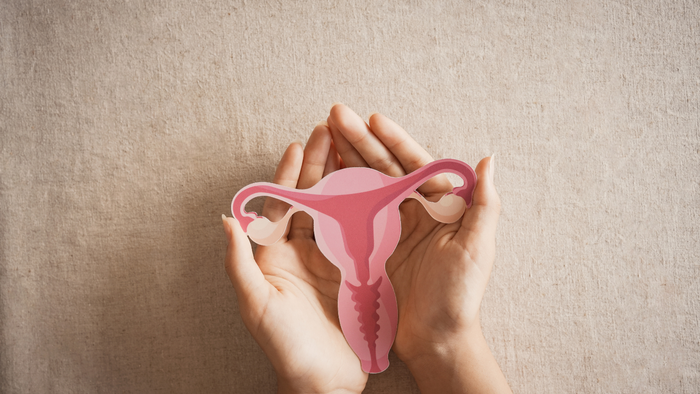
Ovarian stromal hyperplasia is a condition in which the stroma, or supporting tissue of the ovary, becomes thicker or more developed than usual. This tissue surrounds the ovarian follicles and contains cells that support the ovary's normal function.In simple terms, it means there is an increase in the tissue between and around the egg-containing follicles. The change mainly involves the ovarian stroma, not the follicles themselves.
What Causes Ovarian Stromal Hyperplasia?
The exact cause of ovarian stromal hyperplasia is not always known. It may be related to changes in ovarian function and hormonal signals.Possible factors include:
- Hormonal changes: Shifts in reproductive hormones may affect stromal tissue.
- Age-related changes: It is more commonly seen around menopause or after.
- Androgen activity: Increased activity of hormone-producing stromal cells may contribute.
- PCOS: Some features may overlap with PCOS, although they are different conditions.
- Other ovarian conditions: Certain ovarian disorders may occur alongside stromal hyperplasia.
What Symptoms Can It Cause?
Some women may have no obvious symptoms.Symptoms of ovarian stromal hyperplasia include:
- Irregular or absent menstrual periods
- Increased facial or body hair
- Acne or oily skin
- Hair thinning or male-pattern hair loss
- Deepening of the voice in cases of significant androgen excess
- Changes in body hair distribution
- Difficulty becoming pregnant when ovulation is affected
Difference Between Ovarian Stromal Hyperplasia and an Ovarian Tumour
Ovarian stromal hyperplasia and ovarian tumours are different conditions.- Stromal hyperplasia involves a slight increase in the ovary’s normal supporting tissue and may affect hormone production.
- An ovarian tumour, on the other hand, is an abnormal growth of cells that can form a distinct mass.
How Is Ovarian Stromal Hyperplasia Diagnosed?
Doctors may use a combination of medical history, hormone tests and imaging to assess ovarian stromal hyperplasia.Common evaluations include:
- Blood tests: Check hormone levels, including testosterone and other androgens.
- Ultrasound: Looks at the size and appearance of the ovaries.
- Further imaging: May be advised if an ovarian abnormality needs closer assessment.
- Tissue examination: In some cases, the diagnosis is confirmed by examining ovarian tissue under a microscope.
Does Ovarian Stromal Hyperplasia Affect Fertility?
“Ovarian stromal hyperplasia does not necessarily mean pregnancy is impossible. Its impact on fertility depends on hormonal changes, ovulatory function and any other reproductive conditions that may be present.”- Dr Keerti Khetan, Director, Department of Obstetrics & Gynaecology, The CK Birla Hospital®, Delhi
How Is Ovarian Stromal Hyperplasia Treated?
Treatment depends on the underlying cause, symptoms and the woman's reproductive goals.Treatments may include:
- Monitoring: Mild or symptom-free cases may only need regular follow-up.
- Medicines: Hormonal symptoms may be managed with appropriate medication.
- Treating the underlying condition: Any associated hormonal or ovarian problem is addressed.
- Surgery: May be considered if an ovarian growth or another concerning abnormality is found.
- Fertility care: Women trying to conceive may receive treatment aimed at supporting regular ovulation and reproductive function.
When Should You See a Doctor?
Consider seeing a gynaecologist if you notice:- Persistent changes in your menstrual cycle
- New or increased facial or body hair
- Sudden acne or hair thinning
- Other signs of hormonal changes
- Symptoms that develop suddenly or worsen quickly
You’re not alone in your journey when trying to conceive. Join our supportive community to connect with others, share experiences, and find encouragement every step of the way.
FAQs on What Causes Enlarged Ovaries? Ovarian Stromal Hyperplasia Explained
- Does ovarian stromal hyperplasia mean I have PCOS?
No. Ovarian stromal hyperplasia and PCOS are different conditions, although they can have some overlapping hormonal features. - Does ovarian stromal hyperplasia affect ovarian reserve?
Stromal hyperplasia itself does not necessarily mean that your ovarian reserve is reduced. Ovarian reserve is assessed separately using tests such as AMH and antral follicle count. - Can weight gain be related to ovarian stromal hyperplasia?
Weight changes are not a specific sign of stromal hyperplasia. If weight gain occurs with other hormonal symptoms, your doctor may look for another underlying cause.