This guide explains 9 simple tips that will help you stay organised and feel confident before your baby arrives.
“Welcoming a baby is one of the most joyful moments any parent can experience, so it's important to be prepared for it!”
- Dr Mannan Gupta, Chairman & HOD- Obstetrics & Gynaecology, Elantis Healthcare, New Delhi
9 Things to do Before Your Baby's Arrival
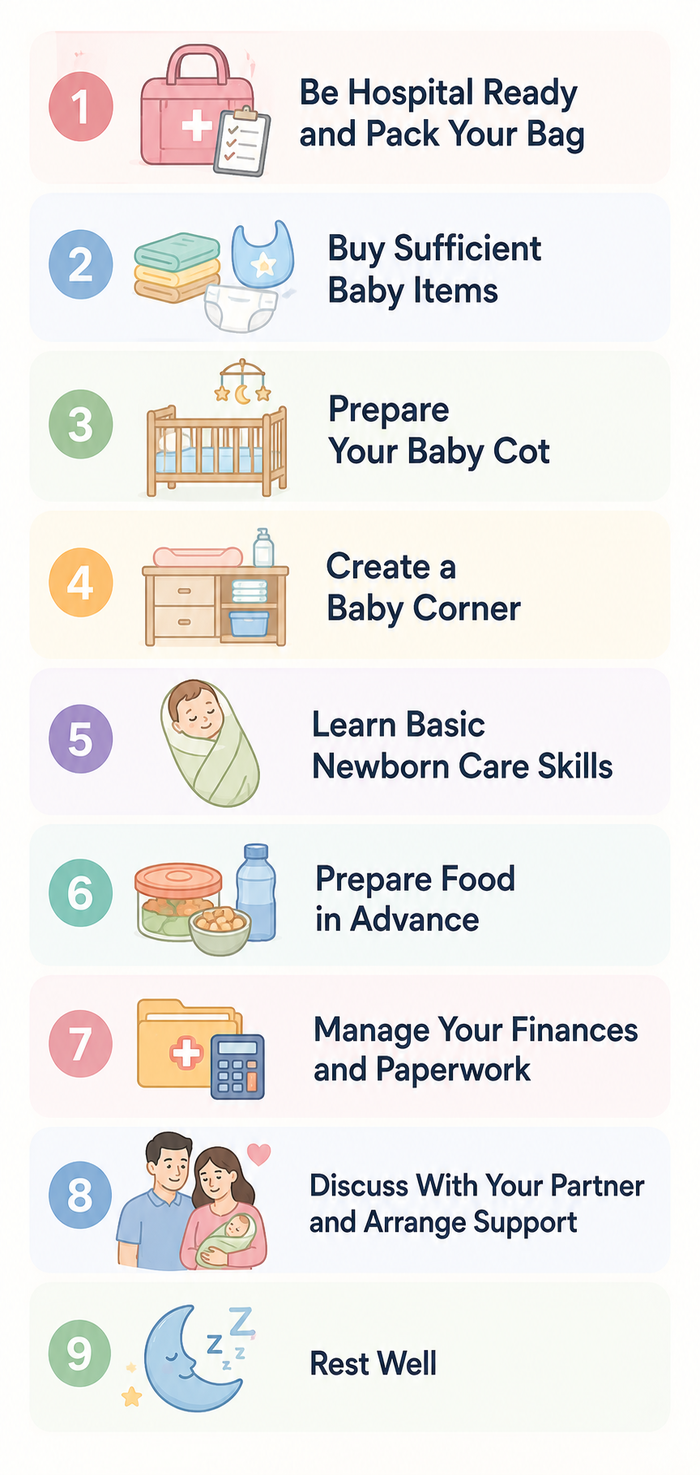
There are some simple things you should do before bringing your little bundle of joy home:1. Be Hospital Ready and Pack Your Bag
Book an appointment with the hospital at least a few months before your due date, and complete any recommended testing by your doctor. Make sure you pack your hospital bag by the time you reach weeks 34 to 35 of your pregnancy. Include everything necessary, like your clothes, baby clothes, toiletries, and all your medical records. You may also keep copies of your hospital papers and insurance in a file as well as in your phone.
Save your doctor’s phone number and emergency numbers. According to Dr Mannan Gupta, early preparation decreases delivery anxiety.
2. Buy Sufficient Baby Items
Even though you may be tempted to buy every baby item you see, it is better to keep it simple. Start with essential items like cotton swaddle cloth, bibs, diapers, and clothes. You need to buy only around 5-6 sets of clothes for your little one. You can buy more later as required.
3. Prepare Your Baby Cot
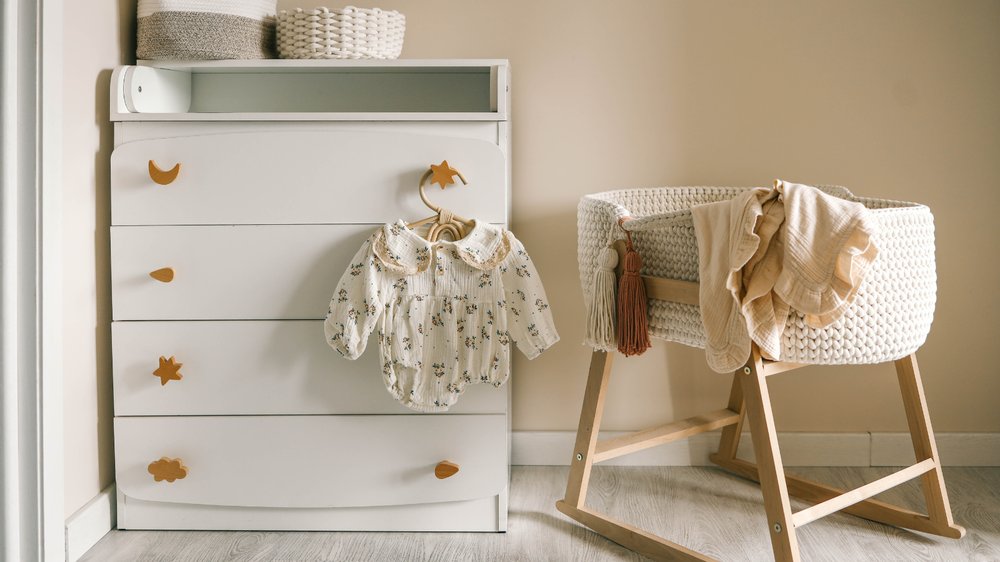
Invest in a good baby cot and a little mattress adjacent to your bed. Never put your newborn in a separate room (closeness matters in the newborn stage). It will help both bonding and breastfeeding. Make sure everything is tidy, hard, and free from soft pillows and blankets to prevent any accidental choking.
4. Create a Baby Corner
Choose a quiet corner for diaper changes with a well-supported diaper changing table. Put cotton, water, diapers, and clothing racks there. It will ease a few hours at night and save a lot of resources.
5. Learn Basic Newborn Care Skills
Being a mom (especially first-time mothers) can be overwhelming, so learning some essential skills to take care of your baby can ease your worry. Concentrate on at least the following basic skills:
- Swaddling your baby
- Burping your infant after feeding
- Helping the baby with proper breastfeeding latch
After giving birth, your body needs time and energy to recover
Prepare some easy meals in advance. Always have snacks, such as dried fruits in your handbag. Have a water bottle next to your feeding area; this will help you stay hydrated. Eating well boosts your recovery process and helps in proper milk supply.
7. Manage Your Finances and Paperwork
Allocate some time for arranging your financial and medical papers. Inquire about your maternity leave and verify your baby's health insurance plan. Check with the hospital about the expenses of childbirth.
Dr Mannan Gupta adds that among other things, planning details keeps the parents from getting confused on the baby’s arrival.
8. Discuss With Your Partner and Arrange Support
Discuss responsibilities with your partner beforehand. After birth, you may be exhausted, and your partner can assist you with caring for the baby in between feedings. Other family members can be welcomed to offer help and support. Also, plan your support network. Determine who you will be in your initial postpartum days, like your mother, mother-in-law, a hired nurse, or domestic help, and note the contact details of the paediatrician and lactation consultant.
9. Rest Well
Rest well and take care of your health and overall well-being. Caring for a newborn baby can be a tedious process. Sleep well and charge up yourself for the coming days to combat exhaustion and postpartum symptoms effectively.
Preparing before your baby arrives helps you step into parenthood with more confidence and less stress. Small steps taken now can make a big difference once your baby is home. Focus on what truly matters: safety and support, and simple routines that work for you. Take a moment to slow down and enjoy this phase. Rest, ask for help, and trust your instincts. You do not need everything to be perfect; just be ready enough to welcome your baby with care and love.
Whether you’re pregnant, a new mom, or navigating postpartum, you don’t have to do it alone. Join our support group to connect, share, and support one another.
FAQs on 9 Things to Do Before Your Baby Arrives
- When should I start preparing for my baby?
It is best to start by your second trimester. This will give you enough time to plan, shop, and prepare without feeling rushed. - How do I ensure my baby's safety at home?
Keep the sleep area safe, avoid clutter, install a car seat properly, and follow basic hygiene practices. - What is the most important thing to focus on before my baby's arrival?
The most important focus should be your physical and mental well-being. Rest well, attend checkups, prepare essentials, and build a strong support system so that you feel calm and confident.