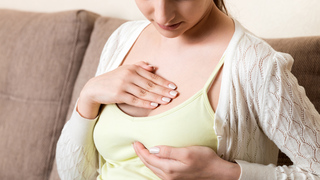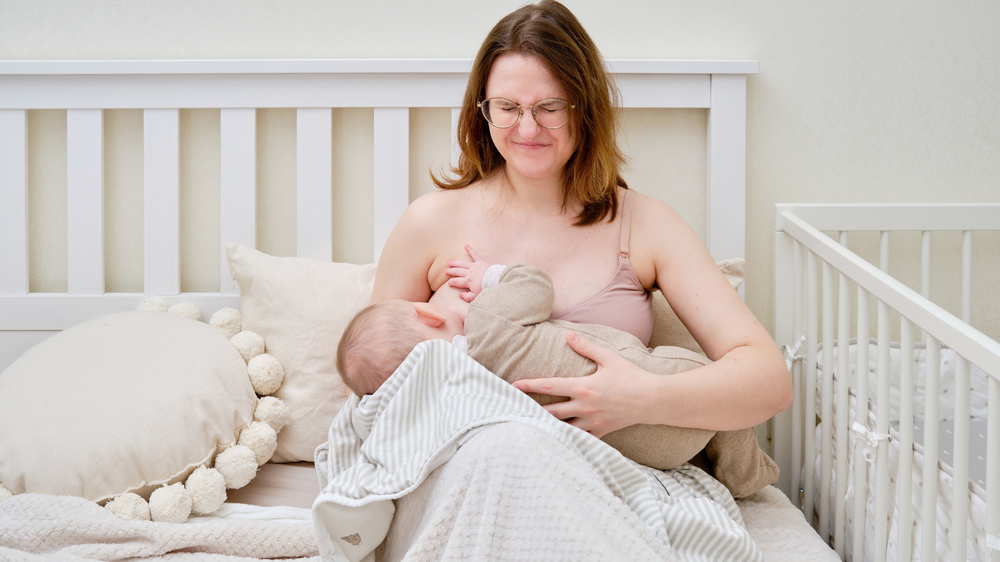
According to Dr Chetna Jain, Director – Department of Gynaecology and Obstetrics at Cloudnine Group of Hospitals, Gurgaon, breastfeeding can and should continue during mastitis in most cases.
Mastitis may make feeding uncomfortable and painful, particularly from the affected breast. However, regular milk removal from the affected breast may prevent milk accumulation and help maintain proper milk flow. This may support faster recovery.
Can You Breastfeed With Mastitis?
Yes. In most cases, you can continue breastfeeding your baby, including from the affected breast.Dr Chetna Jain explains that continuing to breastfeed or express milk generally does not harm the baby. There is also usually no need to discard breast milk simply because you have mastitis.
You can:
- Continue breastfeeding according to your baby’s usual feeding pattern.
- Feed from the affected breast if it is comfortable enough.
- If direct breastfeeding is too painful, express enough milk to meet your baby’s usual needs.
- Avoid stopping breastfeeding suddenly.
- Review your baby’s positioning and attachment if feeding has become painful or milk removal is not effective.

How Can You Manage Mastitis While Breastfeeding?
Along with continuing breastfeeding or appropriate milk removal, the following measures may help ease discomfort:- Rest whenever possible.
- Drink enough fluids and continue your normal meals.
- Use a cold compress to help reduce breast pain and swelling.
- Wear a comfortable, supportive bra and avoid tight clothing.
- Check your baby’s latch and positioning, particularly if mastitis keeps coming back.
- Avoid forceful breast massage or pressing firmly on the painful area.
Dr Chetna Jain advises mothers to discuss appropriate pain relief or other medicines with a healthcare professional. If medication is prescribed, tell your doctor that you are breastfeeding so that an appropriate treatment can be selected.
When Should You See a Doctor?
Mastitis should not always be treated as something that will resolve without medical attention. Dr Chetna Jain recommends medical assessment when symptoms are severe, worsening, persistent despite supportive care, or accompanied by significant fever or suspected breast infection.Contact a healthcare professional if:
- You feel increasingly unwell.
- Breast pain, swelling or redness is getting worse.
- Your symptoms do not start improving within 12 to 24 hours of supportive care.
- You develop a persistent or worsening fever.
- You notice a painful, swollen lump that does not improve.
Early assessment and appropriate management can help protect both maternal comfort and breastfeeding continuity.
Whether you’re pregnant, a new mom, or navigating postpartum, you don’t have to do it alone. Join our support group to connect, share, and support one another.
FAQs on Is It Safe to Breastfeed With Mastitis?
- Can mastitis affect my baby through breast milk?
Mastitis itself does not usually make breast milk unsafe for a healthy baby. Breastfeeding can generally continue from the affected breast, and there is usually no need to discard the milk simply because you have mastitis. - Should I stop breastfeeding if I have a fever with mastitis?
Not necessarily. Fever can occur with mastitis and does not automatically mean breastfeeding must stop. However, if you feel very unwell or your symptoms are worsening, contact a healthcare professional. - Can I breastfeed while taking antibiotics for mastitis?
In many cases, yes. Some antibiotics used for mastitis are compatible with breastfeeding. Tell your doctor that you are breastfeeding so an appropriate medicine can be selected for you.