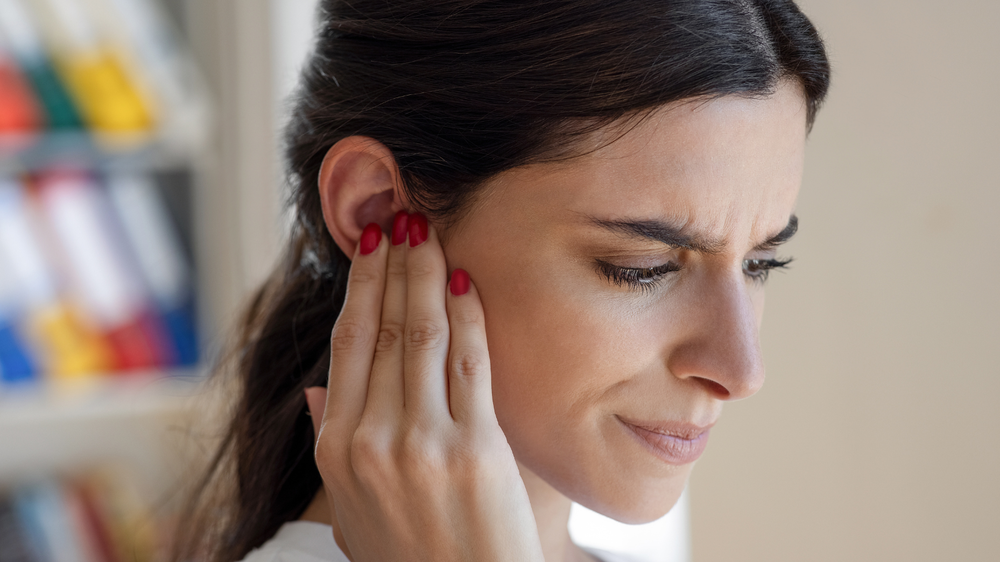
Usually, these changes are mild and are not a big cause of concern, as they resolve after childbirth. However, it is essential to understand when to get medical help.
How Do Pregnancy Hormones Affect Your Ears?
Pregnancy leads to many changes in your body that may influence your hearing and ear health.A simple way to understand it is:
- Causative factor: Pregnancy hormones
- Body changes: Fluid retention and tissue swelling
- Complication: Increased pressure around the Eustachian tube
- Possible symptoms: Blocked ears, popping sounds, muffled hearing, or a feeling of fullness
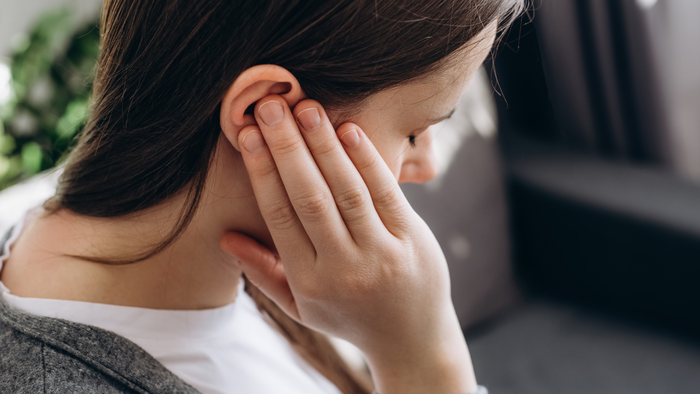
Common Ear Problems During Pregnancy
Ear issues do not affect everyone during pregnancy. However, some people may notice the following issues:Ear-blockage
You may experience fullness, blockage, or clogging of the ears, even when they are clean.
This usually happens because of swelling around the Eustachian tube. Such swelling may increase the pressure inside the ear.
You may notice:
- Muffled hearing
- A feeling of pressure
- Temporary relief after swallowing or yawning
Some people perceive noises, like ringing, buzzing, or humming sounds.
Hormonal changes, increased blood circulation, and fluid retention can trigger tinnitus in pregnant women.
However, it usually goes away after childbirth.
Mild hearing changes
You may notice that sounds are getting muffled or that one ear feels different from the other.
These changes are often temporary.
However, you should not wait if you are experiencing sudden hearing loss. In such a case, get immediate medical help.
Ear popping
Your ears may pop while swallowing, yawning, or changing position.
This usually happens when pressure inside the ear changes.
Although it can be uncomfortable, it often settles on its own.
Mild ear discomfort
You may notice a dull ache or pressure around the ear.
However, hormones alone are less likely to cause severe ear pain. This may be indicative of another condition, such as an ear infection.
What Other Causes May Cause Ear Problems?
In some cases, ear problems may also arise from other causes. These include:| Pregnancy-Related Changes | Causes |
| Fluid retention | Ear infection |
| Swelling around the Eustachian tube | Earwax build-up |
| Increased blood flow | Sinus infection |
| Temporary pressure changes | Allergies |
Simple Tips To Manage Ear Discomfort
The following simple measures may help reduce discomfort:- Drink adequate water and stay hydrated
- Swallow, yawn, or chew gum to help equalise pressure in the eustachian tubes
- Sleep with your upper body elevated (if it is advised by your doctor)
- Avoid inserting cotton buds or other objects into your ears for cleaning them
- Attend all your prenatal appointments
When Should You Contact Your Doctor?
Contact your doctor immediately for a medical evaluation if you notice:- Sudden ringing in the ears, along with severe headache, blurred vision, or swelling, may be signs of pre-eclampsia.
- Sudden hearing loss
- Severe ear pain
- Fluid or blood coming from the ear
- Fever with ear symptoms
- Persistent dizziness or balance problems
- Ringing that becomes worse
Ear problems during pregnancy are often linked to normal hormonal changes. These usually settle with time. However, appropriate care during pregnancy can help identify any underlying condition early.
Whether you’re pregnant, a new mom, or navigating postpartum, you don’t have to do it alone. Join our support group to connect, share, and support one another.
FAQs on Can Pregnancy Hormones Cause Ear Issues? Causes, Symptoms, and When to See a Doctor
- Which trimester is most likely to cause ear problems?
Ear symptoms can occur at any stage of pregnancy. However, they are more commonly noticed during the second and third trimesters. - Can sinus congestion during pregnancy affect my ears?
Yes. Swelling inside the nose can block the Eustachian tube, causing ear fullness, popping, or mild hearing changes. - Are ear problems during pregnancy linked to high blood pressure?
Not always. However, if ringing in the ears occurs with a severe headache, blurred vision, or swelling, contact your doctor promptly, as these may be signs of a pregnancy-related complication.