In this article:
However, having a hookworm infection does not necessarily mean that you will definitely develop anaemia. The risk is determined by the number of worms, the duration of the infection, and your existing iron levels.
How Can Hookworm Infection Be Responsible For Causing Anaemia During Pregnancy?
Hookworms attach themselves to the intestinal wall. They feed on blood from the small blood vessels and tissues around the area. A heavier infection may lead to ongoing intestinal blood loss. The blood loss may gradually reduce your body's iron stores. As a result, your haemoglobin may fall, and iron-deficiency anaemia can develop or become worse.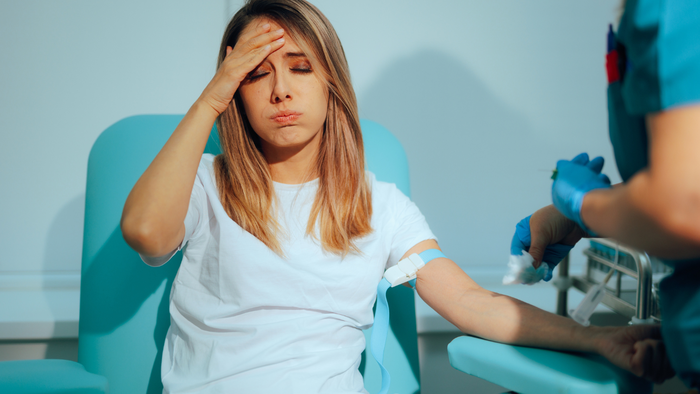
WHO recognises hookworm as a cause of chronic intestinal blood loss and anaemia, particularly among women of reproductive age.
You may be more likely to develop anaemia if you:
- Already have low iron levels
- Have a heavier worm infection
- Have had the infection for a long time
- Have another cause of blood loss
- Are not getting enough iron through your diet or supplements prescribed during pregnancy
What Are The Symptoms Associated With Hookworm Infection?
Hookworm infection may cause no clear symptoms, especially when the infection is mild.However, you may notice:
- Tiredness or unusual weakness
- Pale skin
- Dizziness
- Abdominal discomfort
- Nausea
- Reduced appetite
How Is Hookworm Diagnosed During Pregnancy?
Your doctor may prescribe stool tests to confirm the presence of hookworm eggs. They may also prescribe a blood test to determine your haemoglobin level and to diagnose whether you suffer from anaemia.If you are suffering from anaemia, your doctor will also investigate the possible cause. There are several reasons behind anaemia during pregnancy; they include
- Poor iron levels in the body
- Folate deficiency
- Vitamin B12 deficiency
- Decide whether deworming treatment is appropriate for you
- When deworming should be done
How Can You Reduce Your Risk of Hookworm Infection?
You can lower your risk by taking simple precautions:- Wear footwear when walking outdoors, especially on soil
- Wash your hands before eating and after using the toilet
- Wash, cook or peel vegetables properly
- Drink safe water
- Use toilets and avoid contact with soil contaminated with human faeces
- Follow your antenatal care plan and get tested if your doctor suspects a worm infection
Whether you’re pregnant, a new mom, or navigating postpartum, you don’t have to do it alone. Join our support group to connect, share, and support one another.
FAQs on Hookworm During Pregnancy: Can It Cause Anaemia?
- Can hookworm infection affect haemoglobin during pregnancy?
Yes. Hookworms can cause ongoing blood loss from the intestine. A heavier infection may therefore lower haemoglobin and contribute to anaemia. - Can you have hookworm without symptoms?
Yes. Mild infections may cause few or no noticeable symptoms. A stool test may be needed when hookworm infection is suspected. - Is deworming allowed during pregnancy?
Deworming may be recommended in certain situations during pregnancy, particularly after the first trimester and in areas where hookworm is common, and anaemia is a major public health concern. Your doctor should decide whether treatment is suitable for you.