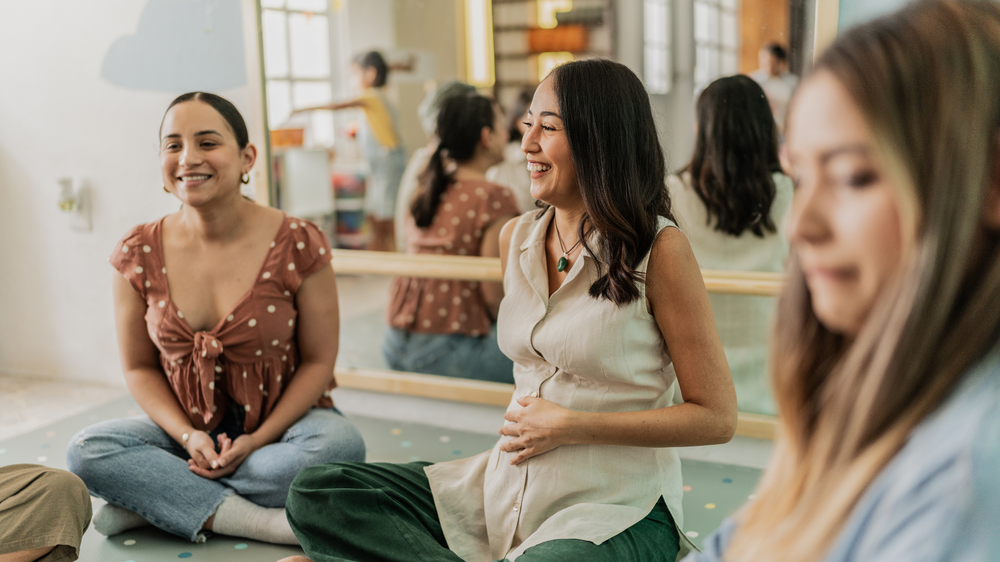
Some may think that women have been giving birth for centuries, so why do I need a childbirth class? The truth is, pregnant women today get an overwhelming amount of information, including advice from family, social media, and medical appointments. Amidst all these, there are chances that first-time expectant mothers may lose themselves in confusion and doubts. Childbirth classes help you understand what happens during labour, how to prepare, how to cope, and how to navigate the journey.
What Are Childbirth Education Classes?
Childbirth education classes provide structured and personalised education for expectant parents to prepare for labour, birth, and postpartum recovery. Childbirth classes go beyond basics and offer practical tools that will help them make informed decisions during labour and postpartum. Childbirth classes teach:
- Labour Stage: From how labour begins, progresses, and ends, to what happens in each stage, and how the body works during childbirth.
- Pain Coping Techniques: Childbirth classes also teach evidence-based techniques like breathing techniques, movement, positioning, relaxation methods, and comfort measures.
- Medical Intervention: Educators discuss common procedures like induction, epidural, episiotomy, and C-section and why and when they are recommended.
- Partner Role: Partners also get to attend the class and learn ways to support their wives. From offering physical aid to emotional help and post-delivery recovery, partners can learn strategies to ease their women’s discomfort.
- Postpartum Tips: They teach you what happens immediately after birth, emotional changes, newborn care basics, feeding guidance, and ways to progress the healing process.
Some families don't encourage the idea of childbirth classes. In reality, childbirth classes don't just offer knowledge, it helps the parents navigate their pregnancy journey and teach them various techniques to calm down during emergencies.
Knowledge
Childbirth classes are conducted by experts. The information you get from your family might not be medically accurate. Attending childbirth classes reduces fear. Many people go into labour with confusion and fears they heard from locals and the media.Fear increases muscle tension by increasing catecholamine, which reduces oxytocin. The stress hormones can increase pain perception and make the labour hard and overwhelming. Childbirth classes address this and teach expectant mothers to be calm and composed. Understanding uterine contractions, cervical dilation, and hormonal changes helps the mother manage pain during labour.
Coping During Labour
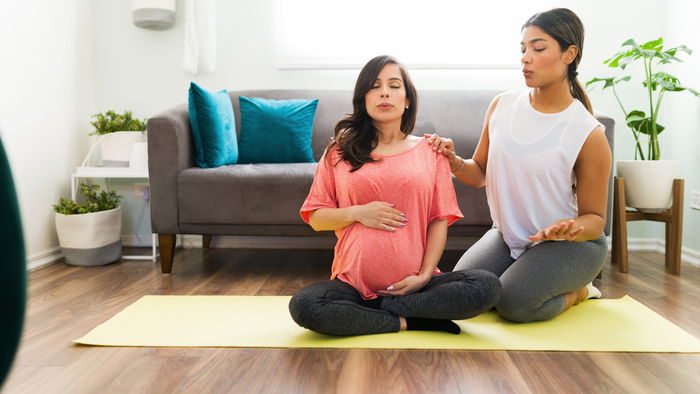
Childbirth classes teach expectant mothers various tools to boost endurance and flexibility.- Breathing Techniques: Controlled and diaphragmatic breathing regulate the nervous system and maintain focus during contractions. Deep breathing supplies oxygen to the uterus and the baby and reduces cortisol.
- Position: It also teaches comfortable positions like squatting, kneeling, and rocking to improve comfort and reduce labour duration.
- Relaxation: Meditation, visualisation, and hypnobirthing help you focus on the baby’s descent rather than the pain.
- Movement: Birthing balls and walking enhance foetal rotation and avoid fatigue.
- Partner's Help: Partners also learn techniques to help relieve pain and offer reassurance.
Informed Decision Making
Sometimes in an emergency situation, you might have to make faster decisions. Having enough knowledge helps you make the right decisions about interventions. You will learn about the procedures that might happen in your labour to make informed decisions instead of panic-driven decisions.- Induction: If labour doesn't start past the due date, doctors might suggest labour induction to start contractions.
- Epidurals: It blocks pain nerves.
- C-Section: High-risk pregnancies or during unplanned emergencies, you might have to go through a Cesarean section.
- Assisted Delivery: It uses forceps or vacuums to speed descent.
Partner Involvement
If the partner is joining in the labour room, they might be confused, not knowing what to do. In that case, childbirth classes help the partner to offer physical comfort, provide reassurance, and keep you calm and composed during the procedure.Types of Childbirth Classes
- Hospital-Based Classes: Some hospitals offer childbirth classes which provide expectant women with accurate information and familiar themselves with the labour room and equipment.
- Independent Class: You can find an expert or certified childbirth instructor in your locality. They help you learn breathing techniques, positions, labour physiology, and mindfulness.
- Natural Birth Class: If you are planning for vaginal birth, these classes teach you methods to improve the chances of vaginal birth. Programs such as Lamaze, Bradley Method, and Hypnobirthing teach mindful techniques and relaxation to shorten labour duration and increase natural birth chances.
- Online: There are many online programs, which are both live and self-paced courses which teach you pretty much the same about labour, delivery, and techniques to cope.
How to Choose a Childbirth Class.
- Birth Goals: What's your birth goal? Vaginal, natural, or C-section? Look for classes that prepare you for all the possibilities.
- Instructor: Before registering, find out about the instructor's training and experience. Read their reviews and see if they are certified educators.
- Read Content: See if they have a brochure that has all the important modules and syllabus.
- Partner Inclusion: Partner involvement is crucial. Look for classes that allow couples to attend.
Whether you’re pregnant, a new mom, or navigating postpartum, you don’t have to do it alone. Join our support group to connect, share, and support one another.
FAQs on Is Childbirth Education Class Important For A Safe And Confident Birth
- What are the three things parents might learn in a childbirth education class?
Attending childbirth classes helps parents to learn about what happens in labour, how long the labour lasts, and what happens immediately after delivery. They also learn meditation, relaxation, and breathing techniques to cope with the pain during delivery. - What do children learn immediately after birth?
Newborns learn to recognise their parents' voice and smell and identify their caregiver through touch. The environment is new for them from their familiar Intrauterine environment. They learn to breathe, suck, and swallow. They also learn that crying attracts attention. Within minutes following birth, they use their muscles to practice rooting reflexes.