Organ Meat During Pregnancy
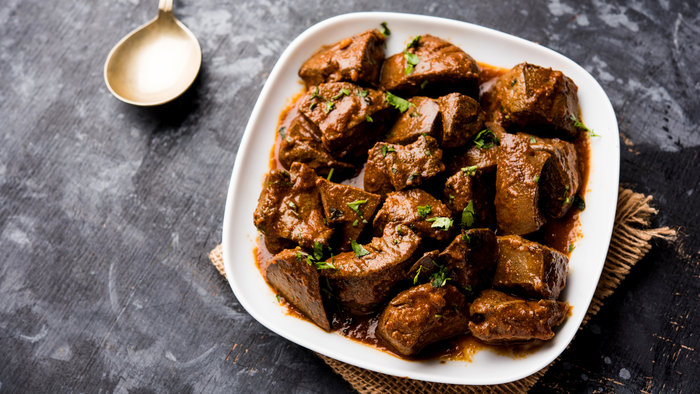
Organ meats are also known as offal, the edible internal organs of animals, like cows, pigs, sheep, or poultry. These are nutrient-dense and have been a staple in many traditional cuisines for centuries. Offal is loaded with rich flavour and nutrition compared to muscle meats.
Muscle meats, such as chicken breast or beef steaks, provide protein and some vitamins, while organ meats are active tissues that contain higher concentrations of vitamins, minerals, and bioactive compounds.
Here are the common organ meats that are part of popular diets:
- Liver: Chicken liver has a rich taste and creamy texture. These are packed with vitamin A, iron, folate, and vitamin B12.
- Kidney: These are dense and chewy in texture and slightly gamey in flavour. They are a rich source of protein, selenium, zinc, and omega-3 fatty acids.
- Heart: It's lean and tender. It has a mild taste with CoA10, iron and B vitamins.
- Tongue: It has a silky texture after braising. It contains more fat than other organs and provides zinc and iron.
- Tripe: The stomach lining has a chewy texture with a neutral taste. These are packed with collagen, protein, and zinc.
Muscle meats also have nutrient value, but they are not a match to offal. Organ meat is a powerhouse of good protein, iron, zinc, B vitamins, and heme iron. Meat muscles provide little protein and micronutrients.
Nutritional Benefits of Organ Meat During Pregnancy
Organ meats have nutrients that are not available in muscle meat. These bioavailable compounds support blood volume expansion and foetal growth. Here are some important prenatal nutrients present in organ meat.
Iron
Pregnancy increases the need for iron by 50% to support expanding blood volume and to nourish the placenta and the baby. Organ meats, especially liver and heart, are a rich source of heme iron, which the body absorbs faster than plant sources.
B Vitamins
B Vitamins are crucial for neurological development, red blood cell formation, and the mother's metabolism. The liver and kidneys offer natural, active B vitamins.
- B12: Cobalamin helps in myelin, red blood cell formation, and prevents fatigue.
- B6: Pyridoxine eases nausea and supports protein metabolism.
Zinc and Selenium
Zinc is important for cell division, DNA synthesis and immune function. Pregnancy naturally suppresses the immune response to tolerate the baby. Organ meat fights infection with zinc and Selenium.
- Zinc: Builds foetal enzymes, DNA, and immunity. Zinc reduces preterm labour risk.
- Selenium: Antioxidants protect the thyroid and DNA and reduce oxidative stress.
Protein
Organ meat provides complete protein with amino acids. Protein supports the development of foetal tissues, the placenta, and overall foetal growth during pregnancy.
Potential Risks in Pregnancy
Organ meats offer incredible nutrition. But they come with risks due to their higher concentration of compounds.
Vitamin A Toxicity
Liver and other organs are loaded with vitamin A, also called retinol, which the body stores in the liver for later use. If the vitamin A increases, it acts as a teratogen, which can disrupt foetal development and lead to heart issues, cleft palate, or central nervous system issues. Not all vitamin A is bad. Vitamin A comes in two forms.
High levels of preformed vitamin A (retinol) affect a baby's growing brain, heart, and spinal cord. Vitamin A, found in liver, eggs, dairy, and supplements, is potentially absorbed quickly by the body and stored extra in the liver.
However, provitamin A carotenoids (beta-carotene) from carrots and sweet potatoes are good to consume. They are converted to vitamin A only when needed, with no toxicity.
You should not exceed more than 3000 mcg of retinol activity equivalents. A small portion of organ meat has more retinol than the daily needs.
High Copper
Organ meats are rich in copper, which is an essential mineral for blood vessels, iron absorption, a baby’s connective tissue growth, and the nervous system. You need 1000 mcg of copper per day.
But organ meats have more copper in small portions. An overload of copper can turn toxic, leading to digestive issues and oxidative stress.
Food Safety
During pregnancy, mothers’ immune systems are weak and vulnerable. Like other meats, organ meats also carry pathogens, parasites, and bacteria that can harm the baby and maternal health. Organs are moist inside, which lets bacteria thrive.
Listeria bacteria, toxoplasmosis, salmonella, and E.coli cross the placenta and cause miscarriage, stillbirth, blindness, low birth weight, preterm labour, or food poisoning.
Can You Eat Organ Meat During Pregnancy?
Organ meats are fine to eat occasionally in moderation. These are loaded with essential nutrients and are easily absorbed. Too much nutrition can harm the newborn baby and the mother.
- Moderation: Eat it once a week in small servings.
- Cook Properly: Fully cook the meat to reduce the risk of foodborne illness.
Organ meats are rich in nutrients and offer iron, vitamin B12, protein, and minerals. But eating too much can increase risks during pregnancy due to its high concentration of vitamin A and copper. So completely avoid these and opt for other lighter options. You can try plant sources, lean muscle meats, and prenatal vitamins that your doctor suggested.
Whether you’re pregnant, a new mom, or navigating postpartum, you don’t have to do it alone. Join our support group to connect, share, and support one another.
FAQs on Is Organ Meat Safe During Pregnancy? Benefits and Risks Explained
- What to avoid during pregnancy that causes miscarriage?
During pregnancy, avoid alcohol, smoking, drugs, caffeine, raw or undercooked meat and vegetables, unpasteurised dairy, high-mercury fish, organ meat, sprouts, processed snacks, spicy foods, fried foods, high sodium, junk foods, and deli meats to prevent miscarriage. - Who should avoid eating liver?
Avoid liver for pregnant women, people with gout, high cholesterol, and heart issues. Liver is fine to consume in moderation once a week or every two weeks. But consuming more sugar can lead to adverse effects. It contains a high amount of vitamin A, which is not safe for pregnant women. The liver contains high cholesterol, saturated fat and purines, which increase uric acid and trigger pain.