In this article:
Why Are Vaccines Important During Pregnancy?
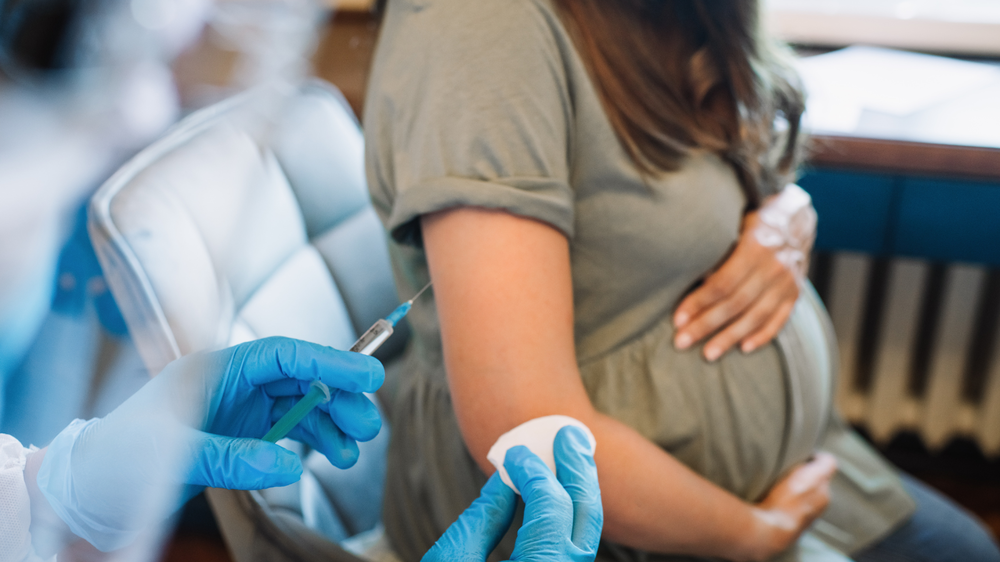
Pregnancy can influence the body's immune response, increasing the risk of certain infections that could be dangerous both for the mother and the foetus. Immunisation prevents many of these diseases from occurring. Some vaccines ensure that maternal antibodies pass through the placenta and offer protection to the baby until it is old enough to be vaccinated.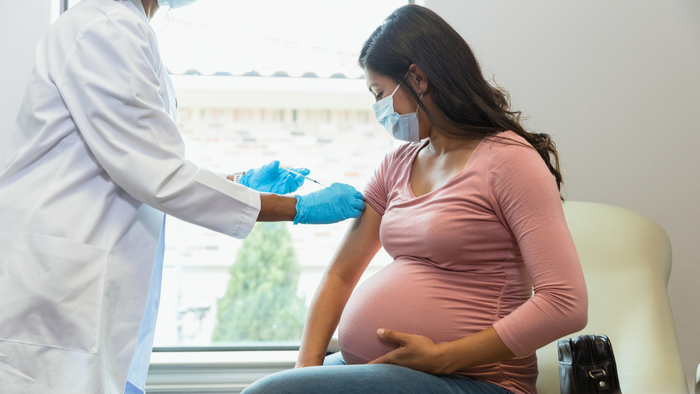
Which Vaccines are Safe During Pregnancy?
However, some vaccines are deemed to be relatively safe and may even be administered to pregnant women at the right time; they are as follows:Flu Vaccine
Pregnancy makes you susceptible to developing infections like the flu. An inactivated influenza vaccine may be administered, which can help avoid any serious cases of the flu. You must consult your doctor first regarding the right timing to get the vaccine, especially during the flu season.However, the live intranasal flu vaccine is completely different from the inactivated version and thus should be avoided during pregnancy.
Tdap Vaccine
The Tdap vaccine is used to prevent tetanus, diphtheria, and pertussis and is recommended in every pregnancy. It is usually administered between 27 and 36 weeks of pregnancy. Vaccination at this time ensures that the mother develops immunity to pass on to the baby.As Dr Aastha Gupta puts it, receiving the Tdap vaccine in every pregnancy ensures that every newborn receives protection, regardless of whether the mother received it in a previous pregnancy.
“Vaccination during pregnancy protects the mother and baby, but the right vaccine should always be chosen with medical guidance.”
- Dr Aastha Gupta, a senior IVF consultant and an infertility expert in obstetrics & gynaecology at Delhi IVF, New Delhi
What Vaccines Are Avoided During Pregnancy?
Certain types of vaccinations are not encouraged during pregnancy since they consist of live but weakened viruses. Such types of vaccines are usually discouraged as a preventive measure due to the risks involved.The vaccines include:
- MMR vaccine: It provides immunity to measles, mumps, and rubella
- Inactivated influenza nasal spray vaccine: It contains an inactivated influenza virus
- HPV vaccine: It is usually deferred to post-pregnancy
What About Vaccines Needed for Specific Situations?
Every immunisation decision may not be the same for everyone. Certain vaccines may need to be considered based on specific health risks, risk of exposure concerns, travel plans, or other medical reasons.This decision may depend on:
- Your overall health
- Stage of pregnancy
- Your past vaccinations
- Risk of exposure to the infection
- Travel plans
- Local vaccine recommendations
- Complications due to existing infections
Vaccination During Pregnancy: A Safe Approach
There are several simple ways that you can make decisions regarding vaccination during pregnancy:- Maintain a list of vaccinations you have received previously
- Inform your gynaecologist about the vaccine you plan to get
- Make sure to mention the stage of pregnancy before getting vaccinated
- Talk about travel plans and potential risks of infection
- Refrain from taking a vaccine until it is verified that it will be suitable for you
- Enquire about vaccines that may be suggested during pregnancy
Whether you’re pregnant, a new mom, or navigating postpartum, you don’t have to do it alone. Join our support group to connect, share, and support one another.
FAQs on Vaccines During Pregnancy: What is Safe and What is Not?
- What if I am vaccinated without being aware of my pregnancy?
Being vaccinated without being aware of the pregnancy is not always an issue. Inform your gynaecologist about your vaccination and timing so that they can offer advice and follow up on your case. - Is it okay for me to be vaccinated while breastfeeding?
Most vaccines can be taken during breastfeeding; however, it depends on the particular vaccine and your current situation. Consult your doctor regarding the vaccine and breastfeeding. - Does it matter when I am getting the vaccine during pregnancy?
Yes, the timing of vaccination matters during pregnancy. Some vaccines need to be taken at certain specific stages of pregnancy so that they are most effective for both you and your baby. Your gynaecologist will be able to help you with it.