
To get accurate, doctor-verified information, we reached out to Dr Rajat Grover, Senior Consultant - Paediatrician and Neonatologist at Cloudnine Group of Hospitals, East Delhi, Pataparganj.
How Many Hours of Sleep Does a Toddler Need?
The American Academy of Sleep Medicine, supported by the American Academy of Pediatrics, recommends the following:| Age | Sleep per 24 hours (naps included) | Usual nap pattern |
| 1 to 2 years | 11 to 14 hours | Two naps, then one |
| 3 to 5 years | 10 to 13 hours | One nap, shortening to none |
| 6 to 12 years | 9 to 12 hours | Night sleep only |
At What Age Do Toddlers Stop Napping?
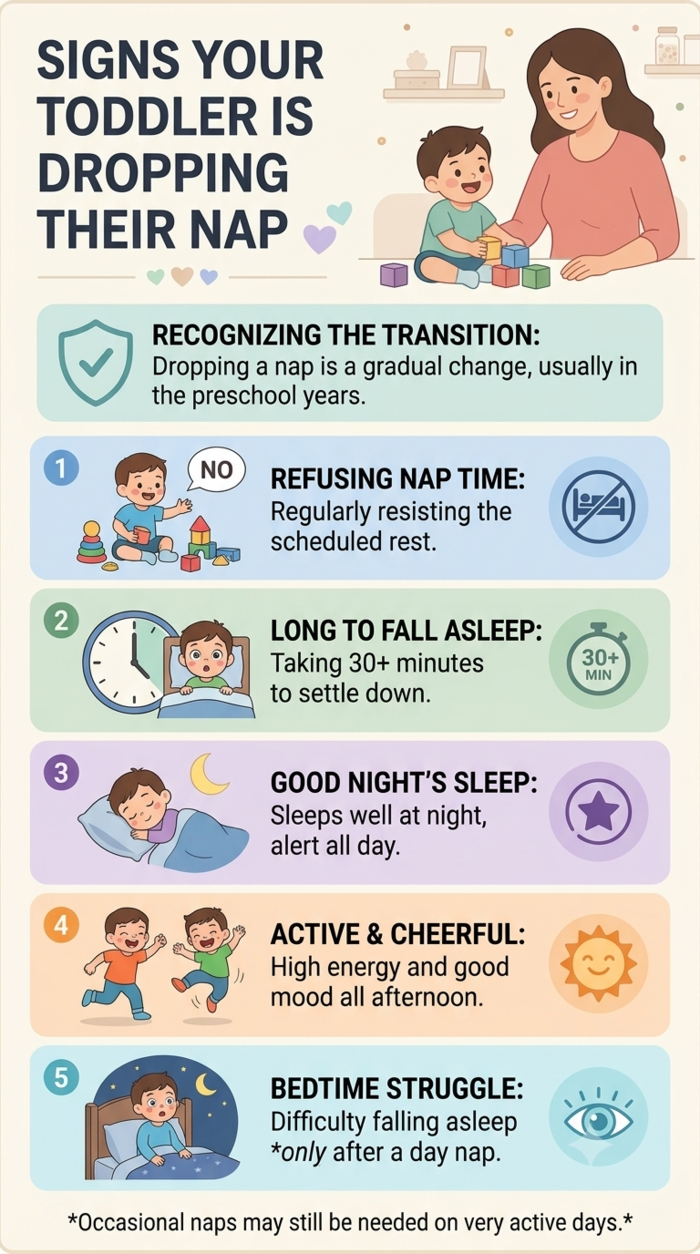
Many children continue to nap into the preschool years, while others gradually stop needing one.The change is usually gradual. Naps first become shorter, then happen on fewer days. Some toddlers still need a nap on particularly active or tiring days.
A toddler may be moving towards dropping the nap if they:
- Regularly refuse to sleep at their usual nap time
- Take a long time (30 minutes or more) to fall asleep during the afternoon
- Sleep well at night without becoming unusually tired during the day
- Stay cheerful and active throughout the afternoon without a nap
- Start having difficulty falling asleep at bedtime when they do nap
Signs a Toddler Still Needs a Nap
A toddler may still benefit from daytime sleep if they become irritable, sleepy, or unusually emotional in the afternoon after missing a nap.Other signs include:
- Falling asleep during car journeys or while watching a story
- Rubbing their eyes or repeatedly yawning
- Becoming less active later in the day
- Having more tantrums or difficulty regulating emotions when tired
- Falling asleep unusually early in the evening after skipping the nap
A calm environment, predictable routines, and reduced screen exposure before bedtime can improve sleep quality. The goal is not to make every toddler follow the same nap schedule. It is to ensure that each child receives sufficient, good-quality sleep to support healthy development.
How Long Should a Toddler Nap?
Nap length varies between children. The important point is that the child's total sleep over 24 hours remains appropriate for their age.Keeping the nap around the same time each day can also help maintain a predictable sleep routine.
A nap that is too late or unusually long may make bedtime more difficult for some children. If your toddler consistently struggles to fall asleep at night after a daytime nap, shift the nap earlier or gradually shorten it.
Toddler Nap Schedule in India: Heat, Playschool and Late Bedtimes
These factors are worth planning around:- Playschool timings: Many Indian children start playschool at about 2.5 to 3 years, usually for a few morning hours. After school and lunch, the nap falls in the early afternoon at home.
- Afternoon heat: In summer, a dim, cool, ventilated room helps a child settle. Naps in a hot room can be short and broken.
- Late family routines: When bedtime runs late, a nap ending after 4 pm can delay night sleep. Offer the nap early and dinner at a fixed time.
- Screens: Evening screen time can delay sleep. Switching off screens an hour before bedtime supports a routine.
- Many caregivers: When grandparents, helpers, and parents share care, follow one nap time every day.
Whether you’re pregnant, a new mom, or navigating postpartum, you don’t have to do it alone. Join our support group to connect, share, and support one another.
FAQs on Do Toddlers Still Need Daytime Naps?
- Should I let my toddler skip a nap?
Occasionally, yes. If your child skips a nap and remains alert and happy without affecting night-time sleep, it may not be a concern. - What if my toddler naps and then cannot sleep at night?
The nap may be too long or too late. Shorten it, start it earlier, and wake the child by about 4 pm. - What happens if a toddler stops napping too early?
A child who stops napping before they are ready may become overtired, irritable, or sleepy later in the day.