Why Does Eating Make Your Baby More Active?
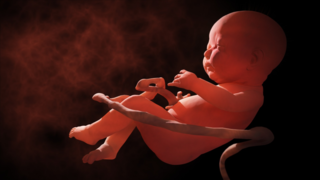
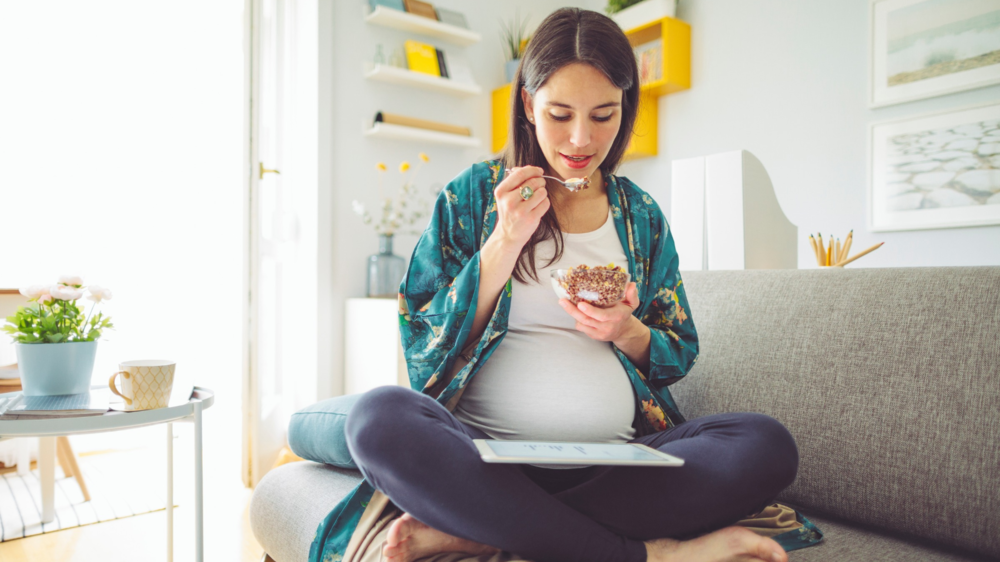
When you eat, your body gets an increased sugar level, which in turn reaches your baby through the placenta. The increased energy triggers the activity of your baby's nervous system, making your baby become more active. It is an absolutely natural reaction, and it usually indicates that your baby is healthy and reacts well to changes that happen in your body.The increased activity may occur rather quickly after your meal or after an hour, depending on both your baby and your individual meal. For many women, such increased activity appears after they have eaten sweets or big meals because such food increases their sugar level, but any food can make your baby active.
When Do Babies Usually Move the Most?
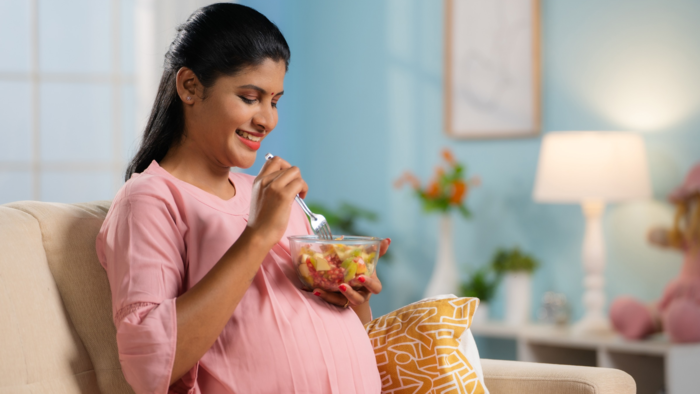
In addition to your baby being active after meals, there are times of day when your baby will naturally be more active. The following are some of the common times of day when your baby is active:- During the late evening: One of the most common times for a baby to be very active is during the late evening since this is the time of day that you will be quiet and notice the movement.
- After meals and snacks: As mentioned previously, your increased blood sugar makes your baby move more.
- During rest: When you are resting, your baby will have a higher chance to move as well since you will not be distracted.
- At the sound of something: At certain stages of your pregnancy, your baby will move more in response to loud sounds or music.
What Is a Normal Amount of Movement?
It is important to note that there is no specific number of movements a baby needs to make every day. However, it is usually recommended that you learn what your baby's normal pattern of movement is, rather than compare it to some fixed number.The simplest method for doing this is counting kicks, which is recommended by some doctors starting from the third trimester. The technique includes sitting quietly, preferably after meals, and counting the time needed to feel a certain number of kicks, which would become the baseline for your baby.
When Should You Contact Your Doctor?
While increased movement after eating can be considered good news, alterations in your baby’s pattern of movement can never be ignored. If you experience any of the following issues, then you should definitely contact your doctor:- The movements are significantly fewer when compared to those of your baby
- It takes much longer than normal to reach the average number of movements of your baby, especially after he or she eats and rests
- Your baby makes no movements whatsoever for hours, particularly if this happens after week 28
- Movements are unusually weak or jerky
- You have some concerns about your baby’s movements
Sensations of your baby’s kicks and other movements, which can happen after eating, are among the pleasures of being pregnant. These are signs of your strong bond with your baby. Learn your baby’s patterns of movement and enjoy these special moments of bonding and contact.
Whether you’re pregnant, a new mom, or navigating postpartum, you don’t have to do it alone. Join our support group to connect, share, and support one another.
FAQs on Why Does My Baby Kick More After I Eat?
- When exactly can I expect increased foetal movements?
The time it takes may vary, and it might be quite quick or as long as an hour, depending on your baby and your food. - Will eating sweet food increase my baby’s movements?
It depends on individual pregnancy cases, as some women report increased activity after eating sweets and large portions of food. - What to do if there is no increased foetal activity after eating?
You should try sitting quietly for a while and paying attention to your baby’s movements. If you still don’t feel any activity, you should consult your doctor.