In this article:
The Crucial Role of Iron in Your Toddlers Growth
Iron is a critical mineral that helps red blood cells carry oxygen throughout the body. Toddlers undergo massive growth spurts between the ages of one and three, making their daily iron requirement uniquely high. This developmental phase is frequently associated with specific health outcomes, such as:- Healthy brain development: Iron acts as a building block for cognitive skills, concentration, and language acquisition.
- Immune system support: Adequate iron reserves help your toddler fight common childhood infections and seasonal colds.
- Physical vitality: Oxygen-rich blood helps prevent fatigue, ensuring your child has the stamina needed for motor milestones.
5 Practical Ways to Manage Your Toddlers Iron Levels
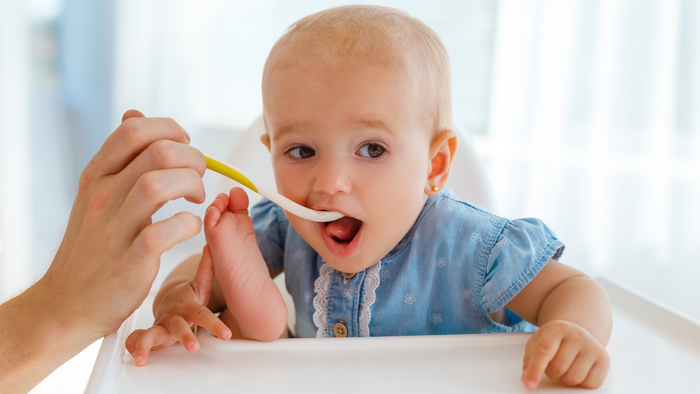
Simple everyday strategies can help you meet your toddler’s daily nutritional needs.1. Maximise iron absorption with vitamin C
You can make every mealtime an opportunity for better absorption. Plant-based iron needs a helping hand to be absorbed effectively by your child's gut. Always pair iron-rich foods with Vitamin-C-rich fruits. A squeeze of fresh lemon juice over dal or sliced oranges alongside meals boosts iron uptake.
2. Introduce iron-dense Indian staples
Help your toddler stay healthy by incorporating traditional, iron-rich ingredients into their daily diet. Offer meals made from ragi, amaranth (rajgira), and broken wheat (dalia). Pureed green leafy vegetables like palak, roasted Bengal gram (sattu), and scrambled eggs or minced meat (if non-vegetarian) are excellent options.
3. Limit daily cow's milk intake
Indian parents often rely heavily on milk, sometimes offering multiple glasses a day. However, excessive cow's milk intake can fill a toddler's small stomach, making them refuse iron-rich solid foods. Furthermore, calcium in milk can compete with iron for absorption in the intestines.
4. Invest in cast iron cookware
A traditional and scientifically backed way to naturally fortify your child's meals is using cast iron vessels. Cooking iron-rich dishes like khichdi or vegetable purees in a traditional iron kadhai allows small, safe amounts of dietary iron to leach into the food, steadily contributing to your toddler's daily requirements.
5. Consult your paediatrician before supplementing
Your toddler’s picky eating phase can leave you exhausted and stressed. However, always take your paediatrician’s consent before giving any over-the-counter iron drops to your child. This is because high iron doses can be harsh on a child's stomach.
When to Visit the Paediatrician
While lifestyle modifications help, please seek immediate medical advice if you notice these symptoms in your toddler:
- Appears unusually pale, especially in their palms, tongue, or inner eyelids.
- Shows persistent lethargy, unusual fatigue, or a sudden lack of interest in play.
- Exhibits pica—a tendency to chew on non-food items like dirt, chalk, or ice.
- Shows a noticeable slowdown in their expected growth or weight milestones.
Whether you’re pregnant, a new mom, or navigating postpartum, you don’t have to do it alone. Join our support group to connect, share, and support one another.
FAQs on Is Iron Supplementation Necessary? Iron-Rich Foods for Indian Toddlers
- Can iron supplements cause constipation in toddlers?
Yes, clinical iron drops can sometimes cause darker stools or mild constipation. If your doctor prescribes them, ensure your child drinks plenty of water and eats high-fibre vegetables. - Are vegetarian diets sufficient for a toddler’s iron needs?
Absolutely. While animal products are absorbed rapidly, a well-planned vegetarian diet with milks, pulses, jaggery, and Vitamin C enhancers can easily fulfil a toddler's daily requirements.