As per Dr Amritha Shetty, Consultant, Obstetrics & Gynaecology, MBBS, DGO, DNB (Obstetrics & Gynaecology), Birthright by Rainbow Children’s Hospital, figuring out the rashes’ appearance and symptoms will help parents understand the reason behind the condition. Although most kids suffer from minor rashes, some of them can require medical help.
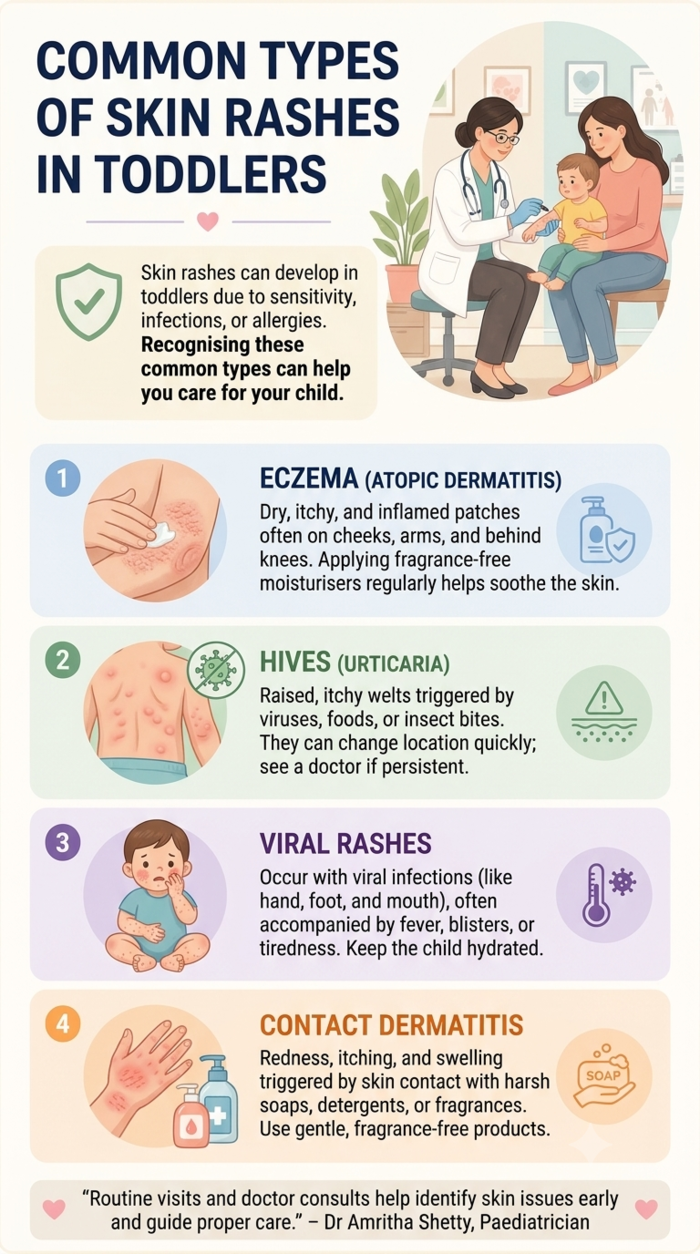
Common Types of Skin Rashes in Toddlers
Different factors can trigger skin rashes in toddlers. Some develop due to skin sensitivity, while others are associated with infections or allergic reactions. Dr Amritha Shetty highlights the following types of skin rashes that develop in toddlers:Eczema
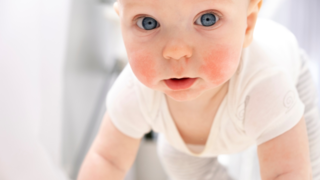
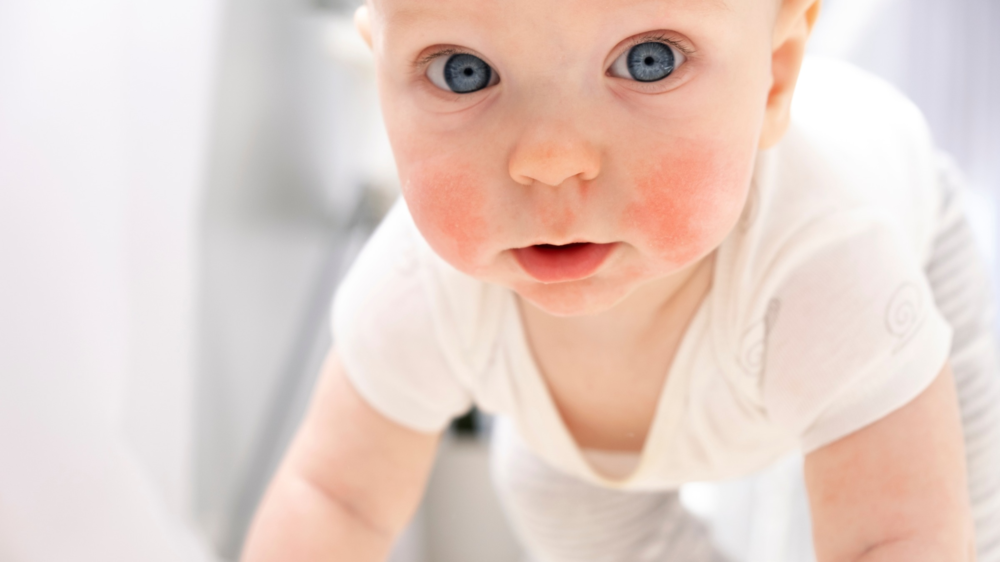
Eczema, or atopic dermatitis, is a common skin condition that causes dry, itchy, and inflamed patches. It may appear on the cheeks, arms, legs, elbows, and behind the knees. The affected skin can become rough, cracked, and irritated. Persistent scratching may further damage the skin and increase the risk of infection.Regular application of fragrance-free moisturisers helps protect the skin barrier and reduce dryness. Parents should avoid harsh soaps, fragranced products, and other known triggers that can worsen symptoms. Keeping the skin moisturised is particularly important after bathing.
Hives (Urticaria)
Hives appear as raised, itchy welts that may change location or disappear within hours. Their size and shape can vary, and they may develop on different parts of the body.They can occur following viral infections or exposure to certain triggers, including foods, medications, and insect bites. Although mild hives often resolve naturally, persistent or recurring symptoms need medical attention. Facial swelling or breathing difficulty requires emergency care.
Viral Rash
Certain viral infections can cause rashes alongside fever, tiredness, and reduced appetite. Hand, foot, and mouth disease is a common example. It may cause small spots or blisters on the hands and feet, along with painful mouth ulcers.These symptoms can make eating and drinking uncomfortable. Parents should encourage adequate fluid intake and monitor the child's condition. Medical advice is necessary if fever persists or the child shows signs of dehydration.
Contact Dermatitis
Contact dermatitis develops when the skin reacts to substances such as soaps, detergents, fragrances, lotions, and other household products. It can cause redness, itching, swelling, and irritation in the exposed areas.Identifying and avoiding the triggering substance is important. Parents should use gentle, fragrance-free products and clean the affected skin with lukewarm water to reduce further irritation.
Most toddler rashes are manageable with gentle skin care, but recognising warning signs early and seeking timely medical advice are essential for a child's safety.
Essential Care Tips for Toddlers
Everyday skin care can minimise inflammation and promote healthy skin. According to Dr Amritha Shetty, it is crucial to keep the skin barrier safe and to stay away from harmful products.Here are several effective ways to do so:
- Choose mild cleansers: Opt for mild products, not harsh soaps that strip skin
- Moisturise often: Use unscented moisturisers after bathing to avoid dry skin
- Wear comfortable clothes: Dress your toddler in soft, airy cotton clothes to avoid friction and skin irritation
- Avoid overheating: Keep toddlers cool since sweating can aggravate itching
- Prevent scratching: Keep nails short to avoid harming the skin and getting infections
- Practice good hygiene: Clean and dry skin folds properly without drying out skin prone to eczema
When Should Parents Seek Medical Attention?
Proper management and care can help most cases of skin rash in toddlers.However, parents must seek medical help in case:
- The rash worsens rapidly, becomes painful, or produces pus or other signs of infection like fever or body chills
- The rash that does not disappear on pressing down is a cause of concern, especially when accompanied by fever or ill health
- Difficulty breathing, swelling of the face or tongue
- Severe allergic symptoms like sneezing, persistent cough, swelling of the face or lips, and itchy eyes
FAQs on Skin Rashes in Toddlers: Common Types and Care
- Can food allergies cause skin rashes in toddlers?
Yes, food allergies can trigger itchy rashes, hives, redness, or swelling in toddlers. These reactions may appear within minutes or hours of eating certain foods and sometimes require medical attention. - Can teething cause skin rashes in toddlers?
Teething does not directly cause skin rashes. However, excessive drooling during teething can irritate the delicate skin around the mouth, chin and neck, causing redness, small bumps and discomfort. - How can parents prevent recurring skin rashes in toddlers?
Parents can prevent recurring rashes by using fragrance-free skincare products, moisturising regularly, choosing breathable cotton clothing and avoiding harsh detergents. Identifying and limiting exposure to known irritants also helps.