In this article:
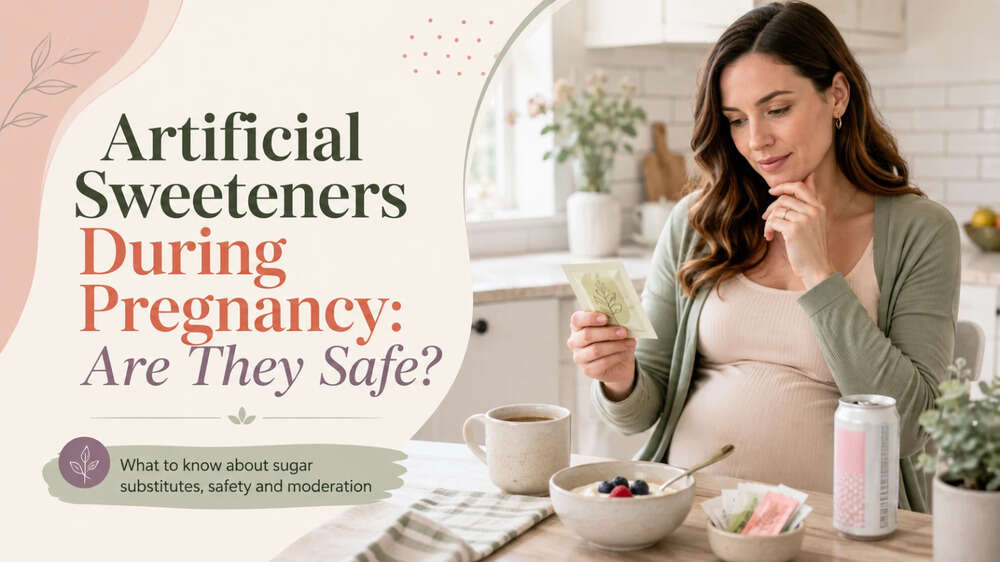
Which Artificial Sweeteners Are Considered Safe During Pregnancy?
We asked the doctor to explain.According to Dr D. Sagarika, “Some artificial sweeteners can be consumed during pregnancy, but moderation is key.”
Stevia, sucralose, and acesulfame potassium are generally considered safe when consumed within the recommended limits.
The NHS explains that sweeteners approved for use in the UK undergo safety assessment and are considered acceptable when consumed within permitted levels. These include sweeteners such as sucralose, acesulfame K, saccharin and steviol glycosides.
Do Artificial Sweeteners Help With Gestational Diabetes?
Low- and no-calorie sweeteners generally provide little or no energy and do not affect blood glucose in the same way as ordinary sugar, according to the FDA.This may make them useful for some women managing their sugar intake, but they should not replace nutritious foods.
As Dr Sagarika advises, “They should not be viewed as a substitute for a balanced, nutritious diet.”
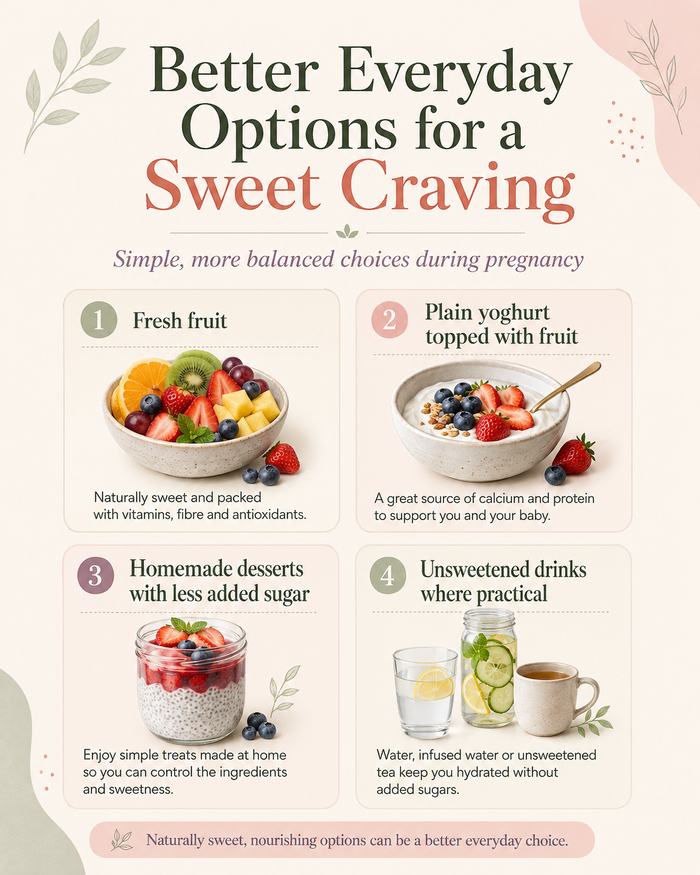
Better everyday options for satisfying a sweet craving may include:
- Fresh fruit
- Plain yoghurt topped with fruit
- Homemade desserts with less added sugar
- Unsweetened drinks where practical
What About Saccharin During Pregnancy?
Dr Sagarika advises caution with saccharin during pregnancy, particularly when sugar-free foods or diet drinks containing it are consumed frequently.Regulatory guidance is broader. The FDA currently permits saccharin as a food additive under specified conditions. This makes label-reading useful, particularly for women consuming several artificially sweetened products each day.
Artificial sweeteners during pregnancy do not need to be automatically avoided, but moderation remains sensible. Approved sweeteners can help reduce added sugar when used appropriately, while fruit, vegetables, whole grains, dairy and protein-rich foods should remain the foundation of the diet.
Women with gestational diabetes or another pregnancy-related medical condition should seek individual dietary guidance from their obstetrician or a qualified dietitian.
FAQs on Artificial Sweeteners During Pregnancy
- Can I use stevia during pregnancy?
Approved steviol glycosides have established safe intake limits. The EFSA has assessed their safety and established an acceptable daily intake. - Are sugar-free drinks safe during pregnancy?
Drinks containing approved sweeteners can generally be consumed within recommended limits, but they should not replace water or a balanced diet. Check the ingredient list to see which sweeteners the product contains.