In this article:
We got in touch with Dr Tripti Raheja, Director, Obstetrics & Gynaecology at the CK Birla Hospital, Delhi, to know more about this issue.
Why Does One Experience Clicking Sounds in Their Hip Joints During Pregnancy?
According to Dr Raheja, popping or clicking sounds from your hip joints during pregnancy are not a concern. With the progression of your pregnancy, your body releases hormones such as relaxin that work towards loosening your joints and ligaments.Such hormonal changes are responsible for loosening the hip joints, which can cause the sensation of popping or clicking when you change positions or walk around. This is how your body tries to loosen up your hip joints as preparation for childbirth, although it might seem a bit odd to experience at first.
However, relaxin does not affect just your hips but all ligaments in your body, and that is why many women start feeling their joints more flexible during pregnancy.
What Are Some Other Causes of This Symptom?
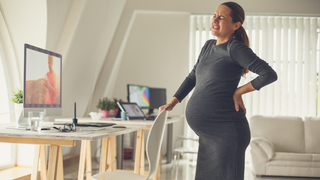
In addition to hormonal changes, according to Dr Raheja, there are some other causes of hip clicking or popping sensation during pregnancy. The additional pressure exerted due to the increasing weight, postural changes, and the shift in the centre of gravity during pregnancy puts added strain on your hip joints, pelvic joints, and back.Another cause could be that your tight tendons or muscles could be causing your hip joints to click without causing any pain, in an entirely different way from how joint looseness due to hormonal change occurs. This condition might have multiple causes; clicking or popping hips may occur for various reasons.
However, the above statement does emphasise that there are multiple causes of hip clicking during pregnancy. However, it must also be noted that the discomfort associated with this clicking becomes quite noticeable during the second and third trimesters of pregnancy.
"While this is generally harmless, discomfort or instability may become more noticeable during the second and third trimesters."
Dr Tripti Raheja, Director, Obstetrics & Gynaecology, CK Birla Hospital, Delhi
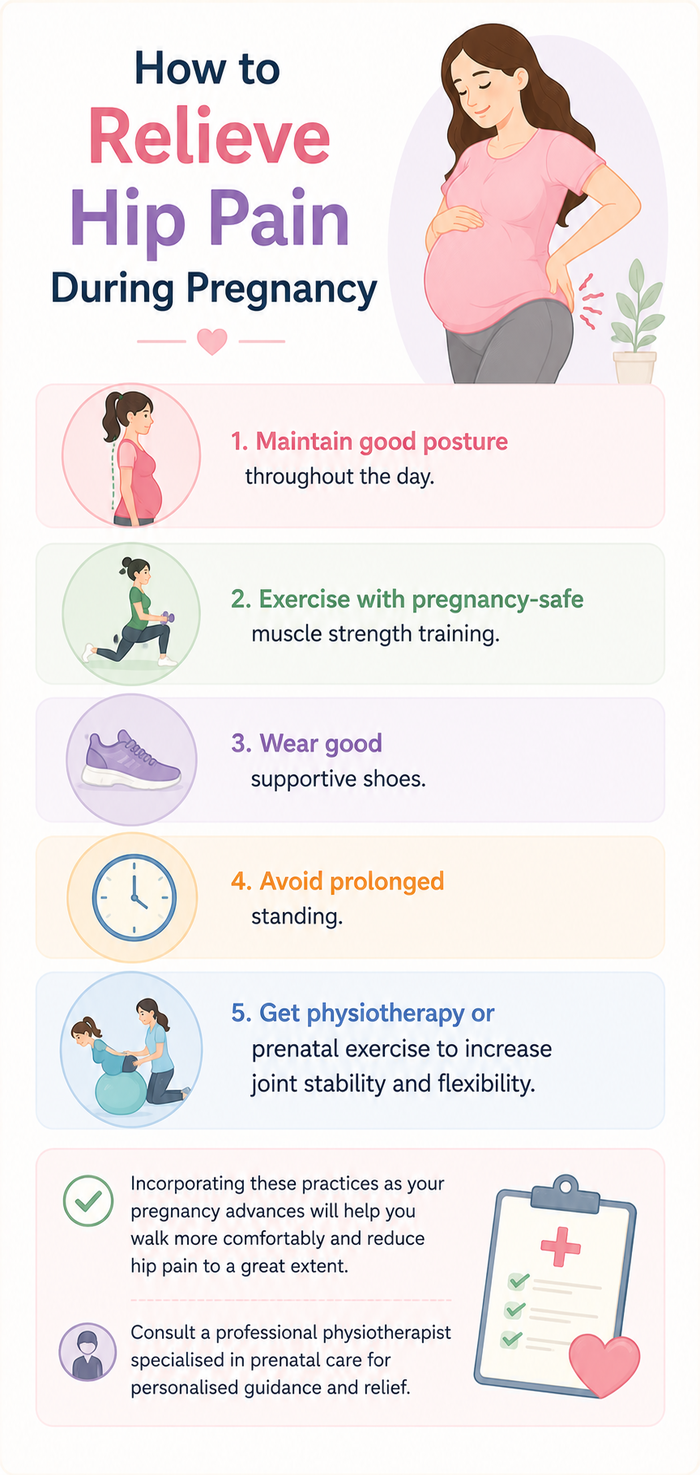
How to Manage Hip Pain During Pregnancy
There are some measures suggested by Dr Raheja which can be considered to relieve hip pain:- Maintaining good posture throughout the day
- Exercising with pregnancy-safe muscle strength training
- Wearing good supportive shoes
- Avoiding prolonged standing
- Getting physiotherapy or prenatal exercise to increase joint stability and flexibility
Moreover, it would be better to avoid those activities which put uneven pressure on the hip joint of pregnant women, such as standing on one side with their body weight for a long time or sitting cross-legged for a prolonged period.
When Do You Need to Contact Your Doctor?
Contact your doctor if you have:- Extreme pain in your hip, pelvis or lower back
- Trouble walking
- Swelling in the hip or pelvic region
- Fever associated with hip pain
- Inability to put any pressure on your leg
Hips that click or pop may seem to be one more thing to worry about when pregnant because of all the bodily changes, but in most cases it is just your body getting ready for labour. Monitor the way your symptoms present themselves and consult your doctor regularly.
This symptom is worth pointing out even if you consider it minor because the doctors will be able to diagnose if your discomfort aligns with the typical course of pregnancy joint changes. The majority of the pregnancy hip symptoms will slowly disappear after delivery as your hormone levels will stabilise, and joints will get back to normal.
Whether you’re pregnant, a new mom, or navigating postpartum, you don’t have to do it alone. Join our support group to connect, share, and support one another.
FAQ on Clicking or Popping Hips During Pregnancy: Causes & Tips
- Does hip clicking indicate something is wrong with my joints?
Not normally. Hip clicking is usually an indication of the loosening of ligaments and not damage to your joints, although you should report persistent pain that accompanies clicking to your doctor. - Can I get my hip joints back to their normal condition after pregnancy?
Yes, generally, joint stability will gradually increase after delivery due to the drop in relaxin hormone levels. - Is hip clicking during pregnancy associated with pain?
It may be accompanied by some form of discomfort or instability in cases where it occurs for extended periods of time while walking or standing.